10 Practical Lessons for Concealed Carriers From the Zimmerman Trial
I spent nearly 88 hours watching the George Zimmerman murder trial, taking 37 pages of typed notes as I went. I learned a lot more about criminal trials, eyewitness testimony, forensic evidence, and how a claim of self-defense gets evaluated at trial. But I also came away with some practical lessons that have nothing to do with courtroom procedure.
The 2012 confrontation between George Zimmerman and Trayvon Martin offers plenty to think about. Having seen the full trial and done some independent research on the facts that weren’t presented to the jury, you might imagine I have strong feelings about who was more in the right and what happened that night in Sanford, Florida. But I’d ask that you set aside whatever feelings you have on the matter for the moment and just let the trial be a backdrop for the lessons we can take from it.
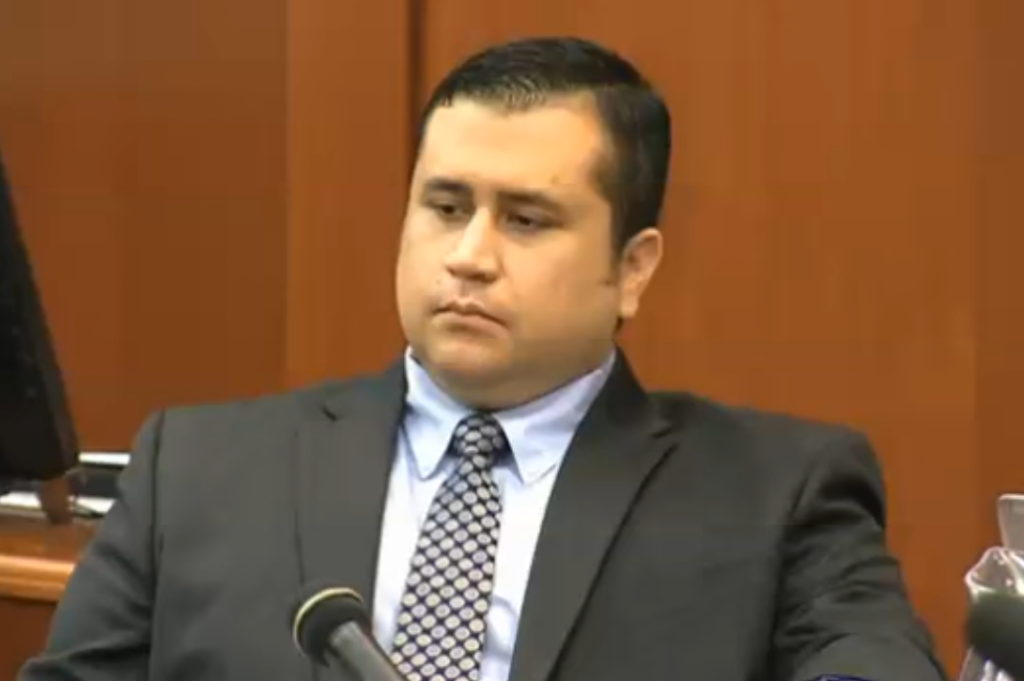
This is the final article in my series on the trial. In the introduction to this series, I explained why I spent that much time on a trial from 2013. Since then, I’ve covered several of the larger legal lessons: every decision you make could be used against you in court, nobody else will know what happened in your gunfight, and bad decisions don’t automatically make self-defense unlawful. For this one, I want to focus on ten practical things we can do to better prepare ourselves.
1. Conflict Avoidance Is a Skill, Not a Sign of Weakness
I don’t believe George Zimmerman went looking for a physical confrontation that night and to suggest otherwise would be a silly argument. Having watched the testimony and examined the evidence, that’s just not the conclusion I reached. But I also believe there were opportunities to reduce the likelihood of a confrontation, and that applies to both people involved.
My interpretation of the evidence is that Martin initiated the physical fight. But regardless of who threw the first punch, the encounter illustrates how badly things can go when two people who don’t know each other become suspicious, confrontational, or unwilling to disengage. We should be looking for ways to avoid getting into those situations in the first place.
Zimmerman may not have realized it, but if he had been thinking a little more clearly or if he had more time to reflect he might have realized his tactics put him at risk in the dark, in the rain, and against someone who he had lost sight of. On the other hand Trayvon had 4 minutes from the time he started running until the point at which he assaulted George. The best estimate is that he could have walked home in 20-30 seconds but he didn’t. He engaged.
So for us what does that look like?
Sometimes that means taking a different route. Sometimes it means keeping your distance, calling the police, or deciding that you don’t need to confront someone whose behavior bothers you. It might even mean allowing someone else to think they won an argument. I’ve never understood why that’s supposed to be such a terrible outcome.
Carrying a gun should make us more committed to avoiding unnecessary confrontations, not less. The consequences of a physical fight are simply too significant to let pride make the decision.
2. Learn Combatives, Including Entangled Weapon Fighting
At some point we have to acknowledge that nobody would have died that night if Zimmerman had some fighting skills. There is no debate that there was a fight and that the fight ultimately took to the ground. Zimmerman’s account was that he was on the bottom, being struck and having his head driven into the ground. His injuries and important portions of the forensic evidence supported that account. Whatever your assessment of the exact sequence, the encounter became a close-quarters physical struggle.
That’s a problem many concealed carriers aren’t particularly well prepared to handle. We practice drawing and shooting from a standing position, often with a comfortable amount of space between ourselves and the target. Those are important skills, but they don’t address what happens when someone grabs you, knocks you down, or ends up on top of you.
Start by learning some basic combatives. Boxing, wrestling, Brazilian jiu-jitsu, and other disciplines can develop balance, positioning, movement, and the ability to function under physical pressure. George was straddled based on his account and that of the closest eye witness. Someone with some jiu-jisu training could probably have dealt with that without too much challenge against an untrained opponent.
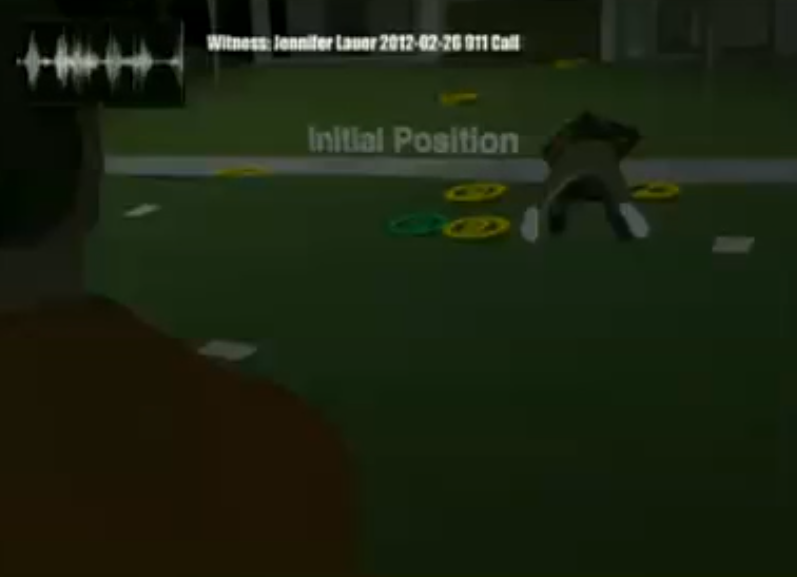
From the defense’s animation: Depicting Martin Straddling Zimmerman in the moments before the gunshot. To a trained fighter, this would not have been an encounter that required a gun.
And then of course, seek out instruction specifically addressing entangled fights involving firearms and other weapons from experts in the field. That level of training addresses things like weapon retention and controlling your opponents weapons.
You need to understand how to protect your gun, how to prevent someone else from accessing it, and how to create opportunities to escape. I’m not suggesting everyone needs to become a competitive fighter. I’m suggesting that a concealed carrier ought to have some idea what to do when the fight gets physical before there’s an opportunity to use a gun.
This stuck out to me particularly because its something I know I’m personally weak at. As a last note on this one, we should acknowledge that one’s age and size are relevant. I’m not saying that everyone should be able to fight off anyone. I’m merely pointing out that the gun should be a last resort and adding some fighting skills pushes the gun further down the force continuum in this kind of circumstance.
3. Carry a Reliable Flashlight and Know How to Use It
The shooting occurred after dark, and visibility was a recurring issue throughout the trial. Several witnesses struggled to identify the people involved or determine exactly what was happening. That’s not surprising. Darkness makes observation, identification, and decision-making more difficult.
Zimmerman had flashlights with him. His account included a flashlight that wasn’t working, and investigators recovered a small keychain flashlight near the area where the confrontation reportedly began. I think there’s a simple lesson here.
Carry a reliable flashlight. Not just the light built into your phone, either. A dedicated handheld flashlight gives you a useful tool for navigating dark areas, identifying people, and gathering information without introducing a firearm into the situation. Frankly, if we take Zimmerman’s account; if he had a quality defensive flashlight in the moment that Trayvon first ambushed him; in that split second he could probably have blinded Martin and created some distance.
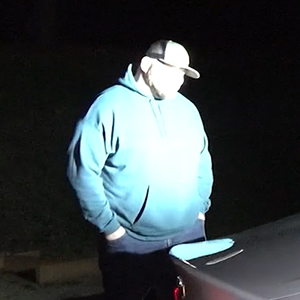
“Being on the receiving end of a defensive flashlight changed the way I thought about carrying one. The beam made it extremely difficult to see the person holding the light or even clearly identify my surroundings.” -Mitch
Of course Zimmerman did bring a good flashlight but it didn’t work and flashlight technology has come a long way since 2013 but these are lessons that are heavily applicable to us today.
Have a good light. Know how to activate it quickly. Know its controls. Check the batteries or charge level. Learn how to use it while doing ordinary things, including operating your phone or managing other equipment.
A flashlight won’t eliminate danger, but it can help you make better decisions, deny your attacker information, and buy you precious time and distance before danger becomes unavoidable.
4. You Cannot Predict Whether You’ll Win a Fight
This is related to conflict avoidance, but I think it deserves its own lesson. We don’t know what Martin expected when the physical confrontation began. We cannot know whether he believed he could easily overpower Zimmerman.
But if Martin initiated the fight, he entered a confrontation without knowing something critically important about the other person. Zimmerman had a gun. It’s easy to imagine that we can predict the outcome of a fight based on someone’s appearance, size, age, or apparent physical ability. We can’t.
You don’t know what weapons another person might have. You don’t know what training they have, how far they’re willing to go, or whether someone else might intervene. You also don’t know how you’ll perform once someone starts hitting you.
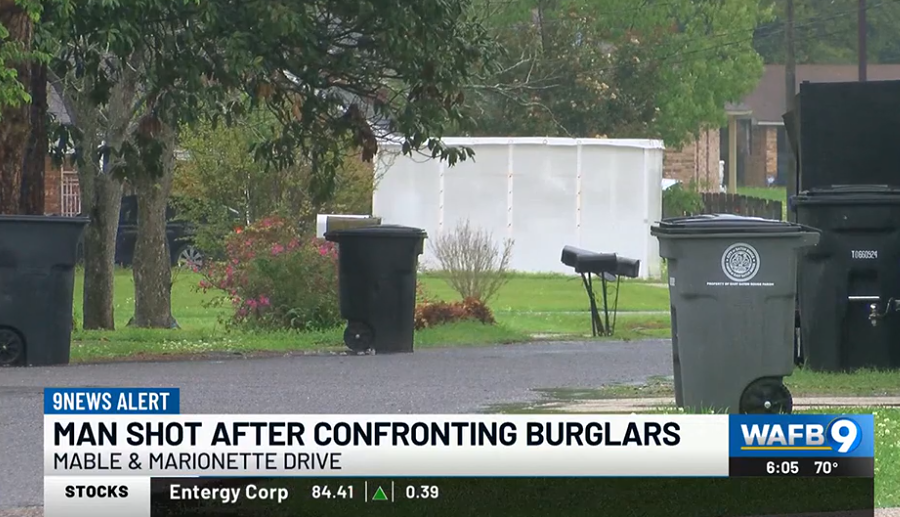
From an incident where an armed home owner followed and confronted two people trying to break into his car. The homeowner was the one shot.
We see this play out in road rage incidents and home defense scenarios where gun owners walk out their door to confront the car thief in the driveway. It all speaks to some belief that you aren’t vulnerable and you walk in with some great advantage.
A person can be bigger, stronger, younger, and more experienced and still lose a fight. A person can win the physical confrontation and suffer life-changing injuries in the process. That’s why humility matters.
The minute you chose to engage in a fight your odds of losing a fight just went up. Don’t allow your confidence in your own capabilities to convince you that a confrontation is worth having. The best fight is still the one you never have.
5. Get Medical Training, Carry Supplies, and Always Request Medical Treatment
After this incident concluded George had some injuries. A likely broken nose and several large bumps and cuts on his head. Nothing anyone would call life threatening at a glance but I don’t think that eliminates the possibility that in your, or my gunfight one day in the future that we won’t have to patch up our own life-threatening wounds.
During the Zimmerman trial, the prosecution tried to make a big deal out of the idea that Zimmerman didn’t try to give medical aid to Trayvon Martin. We talk about that concept, the pros and the cons, etc in a podcast episode with combat medic Brian McLaughlin and you should give that a listen. Likely, George was stunned and in a state of shock and was under the impression that a police officer had just walked onto the scene in the immediate moments after he fired the shot and disengaged with Martin. So I’m not suggesting it was some major oversight or that the jury at trial was convinced by the prosecution that this suggested some sort of malice.
I am suggesting that when fights happen, and especially when guns are involved in those fights, people tend to receive life-threatening injuries and having the capability to do something makes a lot of sense to me. If we’re serious about being prepared for violence, medical training should be part of the conversation. Learn how to control severe bleeding. Learn how to recognize and respond to life-threatening injuries. Carry appropriate medical supplies and know how to use them.
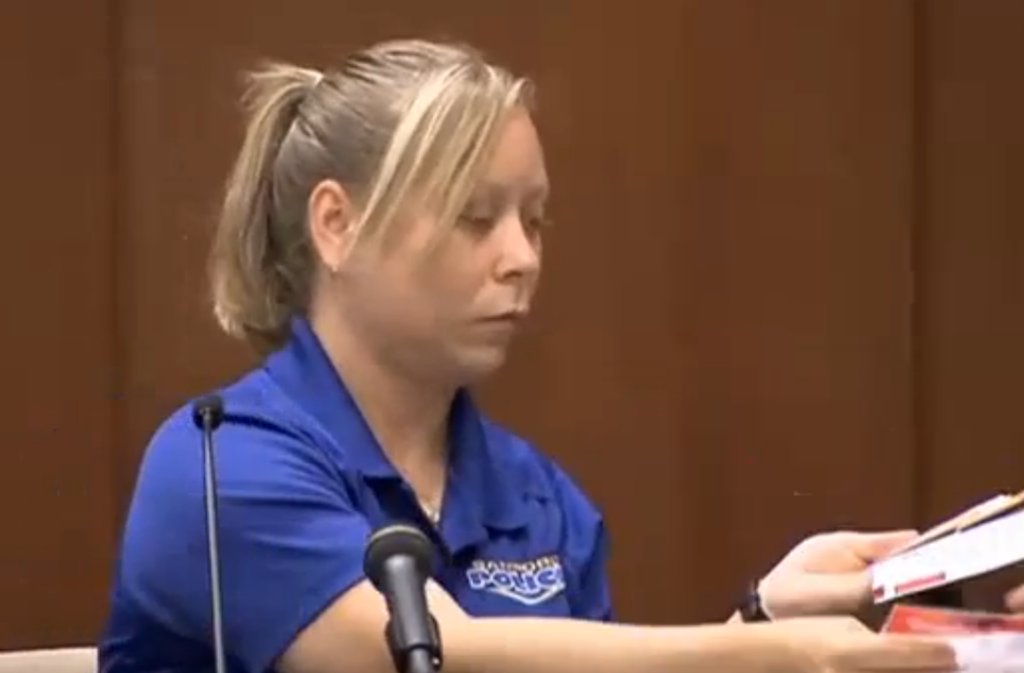
The Crime Scene Tech testifying that Zimmerman refused additional medical care
The second issue involved Zimmerman’s injuries. He declined transportation to the hospital at least twice. The prosecution later emphasized that decision, along with the relatively limited appearance of some of his injuries, while challenging the seriousness of the attack he described.
Here’s my takeaway: If you’ve been involved in a violent confrontation, request medical evaluation no matter what.
You might have injuries you don’t recognize. Adrenaline can interfere with your perception of pain, and head injuries deserve particular attention. Medical documentation may also become important later if the nature or severity of your injuries is disputed and at very least it gives you time to recover mentally and emotionally before you make any decisions.
Don’t refuse care because you think you’re tough, because you want to get home, or because the injuries don’t look that bad. Get evaluated. Let qualified medical professionals make medical decisions.
6. Have Qualified Legal Representation Lined Up Before You Need It
Zimmerman made 5 statements to investigators following the shooting (I’m including his written statement). He participated in recorded interviews, provided an account during a walkthrough of the scene, and continued cooperating with investigators. All of that without having any legal representation at all. He eventually also gave a nationally televised interview (call that statement #6) before trial though by that time he had retained an attorney.
Those statements became a significant part of the prosecution’s case. I covered this subject in more detail earlier in the series, but it’s important enough to repeat.
You should know whom you’re going to call for legal representation before you ever need to make that call.
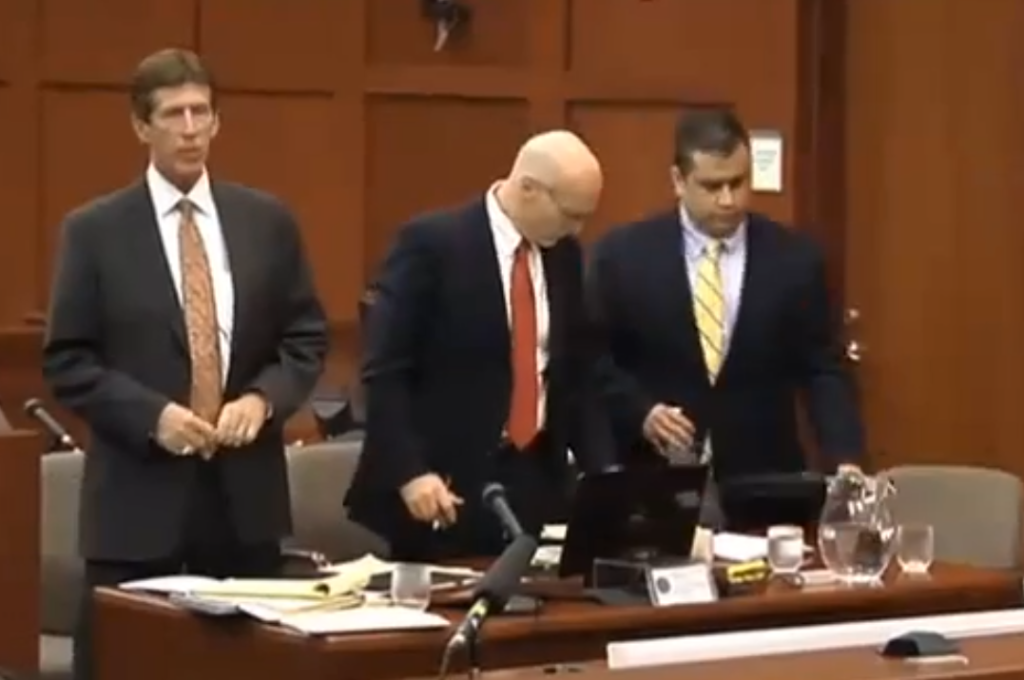
George with his two attorneys at trial
That doesn’t mean refusing to cooperate with responding officers or withholding information needed to address an immediate danger or the gathering of valuable evidence. It means understanding the difference between providing essential information at the scene and participating in detailed questioning about a potentially criminal event.
After a defensive shooting, you may be injured, exhausted, frightened, or still processing what happened. That’s a terrible time to assume you’ll be able to provide a perfectly organized account of every second.
Find out what legal resources are available to you. Understand their limitations. Have a plan for contacting a qualified attorney. You don’t want your first attempt to locate a criminal defense lawyer to happen while you’re sitting in an interview room.
That’s why we recommend CCW Safe. When you call after a self-defense incident, you get an attorney on the line, backed by a response team of former investigators and prosecutors who know how these investigations work from the other side. And as I mentioned earlier in the series, the attorney who answers your phone call might even be Don West, one of the lawyers who defended George Zimmerman in this very trial.
7. Police Your Language, Including What You Write Online
The prosecution opened the trial by drawing attention to Zimmerman’s recorded comments during his call to the police dispatcher. Those comments were used to suggest something about his attitude, intentions, and state of mind. Whatever you think of that argument, it illustrates how words spoken in frustration can take on enormous significance after a defensive shooting. And today, I think the risk extends well beyond recorded phone calls.
I read comments on ConcealedCarry.com that make me cringe sometimes. I don’t know the people writing them. I don’t know whether they’re genuinely aggressive individuals or decent folks who typed something stupid in a moment of frustration. I’m reminded of the police officer who told me on Facebook that he is trained to kill. When he shoots, someone is going to die. I hope that cop is never sitting in a court room explaining those Facebook comments.
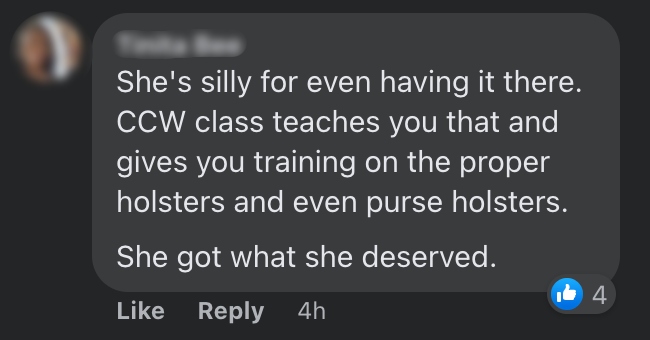
Here is a recent one suggesting people who make mistakes deserve to be shot.
But imagine that comment being read aloud in a courtroom after you’ve shot someone. Suddenly, a sentence you spent three seconds writing becomes evidence offered to suggest what kind of person you are. Fair? Maybe not. Predictable? Absolutely.
Think about the things you say in public, on social media, in online forums, and in conversations that might be recorded. I’m not suggesting you need to live in fear of expressing an opinion. But there’s a difference between discussing self-defense responsibly and making comments that suggest you’re eager for an opportunity to shoot someone.
If you’re carrying a gun for protection, your words should reflect the seriousness of that responsibility.
8. Know When and How to Secure Your Gun After the Fight
According to Zimmerman, after firing the shot he climbed out from underneath Trayvon and then got on top of Trayvon and “spread his hands out wide” to make sure he didn’t have a weapon and wasn’t a threat anymore. Then he stood up and saw someone with a flashlight approaching which he believed to be a cop.
The precise timing of the reholstering wasn’t clearly established in the trial. Certainly I have to assume he holstered the gun as he was climbing out from underneath Martin since he then says he spread out Martin’s hands and I can’t imagine you doing that with a gun in one of your hands. This raises an important training issue.
What do you do with your gun after you’ve fired it?
The answer isn’t automatically to reholster immediately. The threat might still exist. There might be additional attackers. You may need to move, assess what’s happening, or remain prepared to defend yourself. By George’s own account he wasn’t sure he had even hit Trayvon at that point in time.
If you still might have a threat it seems to me that keeping your gun out, creating distance, and seeking cover or safety would be the most prudent course of action. Not reholstering the gun and probably not spreading someone’s hands out physically.
On the other hand, responding police officers may arrive quickly, and you don’t want to be mistaken for an ongoing threat. You may also need your hands to call for help, provide medical aid, or follow an officer’s instructions. So you need to consider when it’s appropriate to holster your gun.
Practice deliberate, safe reholstering. Avoid rushing the process. Never force a gun into a holster, and make sure clothing or other objects aren’t obstructing it.
Most importantly, understand that the decisions don’t stop when the shooting does.
9. Train to Make Decisions, Not Just Shoot Well
I love working on shooting skills. Accuracy matters. Speed matters. Efficient gun handling matters. I don’t think we should apologize for spending time developing those capabilities.
But remember real life isn’t a shooting drill. It’s a series of decisions, sometimes made under extraordinary pressure.
Should I approach that person? Should I leave? Is that behavior suspicious or actually threatening? Do I need to draw my gun? Is deadly force justified? Has the threat ended? Those questions are at least as important as whether you can shoot a tight group or achieve a particular draw time.
And here’s the interesting thing about developing technical proficiency: The more automatic your gun-handling skills become, the more mental capacity you have available to make decisions.
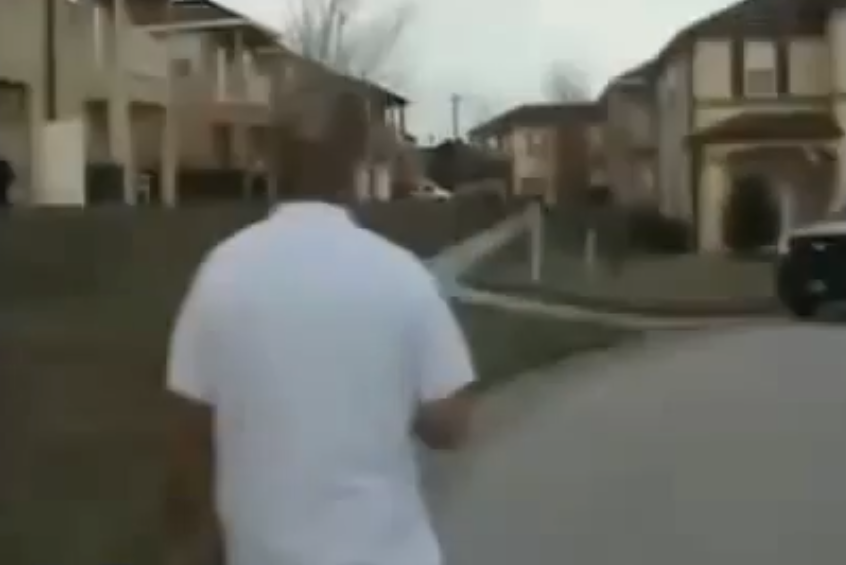
Zimmerman explaining that he couldn’t in that moment recall the name of the street. If you believe him, and I do, this speaks to cognitive overload and he is about to make a massive tactical mistake by making the decision to wonder into the darkness behind those homes.
If you’re consciously thinking through every step of operating your firearm, that’s attention you can’t devote to evaluating the situation around you. The goal is to become so good at the firearm manipulation stuff that you don’t have to think about it.
That’s why I encourage concealed carriers to seek training that goes beyond marksmanship. Scenario-based training, decision-making exercises, and well-run force-on-force training can expose you to problems that a traditional square range can’t reproduce. Work out your decision making muscles under stress.
Keep working on your shooting skills. But don’t confuse shooting proficiency with complete defensive preparedness.
10. Don’t Assume the Media Is Telling You the Whole Story
I saved this one for last because it brings us back to the reason I started watching the Zimmerman trial. For years, I’d heard people describe this case with tremendous confidence. They knew who was the aggressor. They knew what the evidence showed. They knew what Zimmerman had done wrong. And much of that confidence appeared to come from media coverage rather than firsthand examination of the evidence.
Today, I read on Facebook a comment in response to one of the other articles from this series from someone who agreed the media couldn’t be trusted but then proceeded to tell everyone that George got out of his car after the operator told him not to, followed Trayvon, and then started the fight. While you could debate the “follow” comment to a minor degree the rest of that isn’t true. No evidence that supports it at all unless you go by the NBC edited 911 call.
Yep, not a joke. NBC literally took the recording of the call Zimmerman placed to the police and cut out parts of it. The edited version removed intervening questions from the dispatcher and made Zimmerman’s comments about Martin’s race sound spontaneous rather than responsive to a question and made it look like Zimmerman followed Trayvon after being told not to. Zimmerman later filed a lawsuit against NBC Universal but the suit was dismissed on the grounds that it didn’t have a substantial impact. Wow.
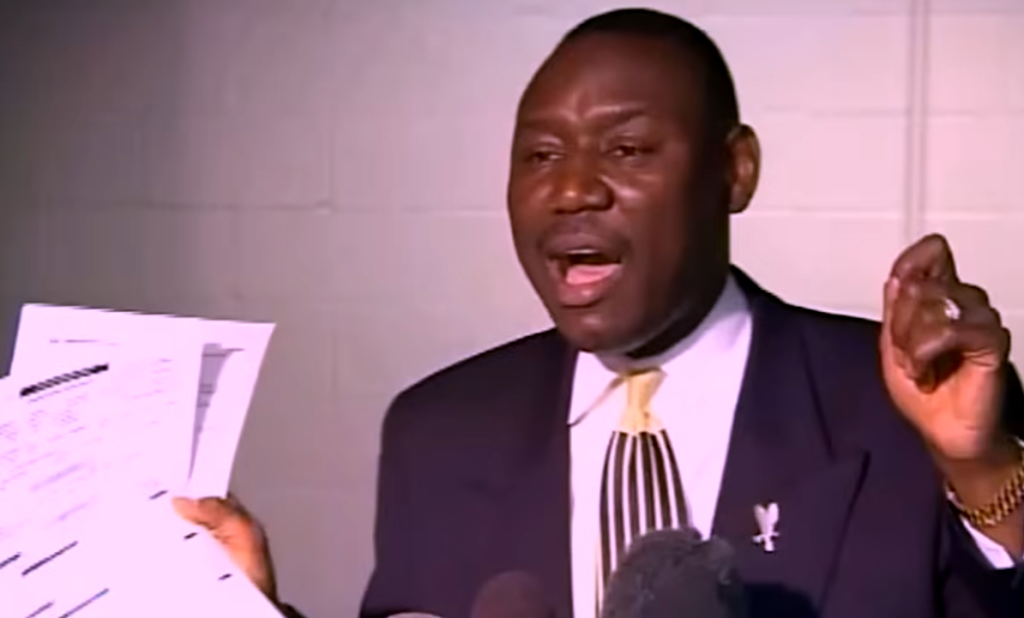
The attorney hired by the Martin family who literally lied, manipulated the truth, spread misinformation, and perpetuated a false narrative.
That’s not a minor detail. Context can fundamentally change how an audience understands a statement.
And it wasn’t the only issue. Throughout the trial, I encountered testimony and evidence that challenged or complicated narratives I’d previously heard repeated as established fact.
Now, I don’t think every journalist who got something wrong was deliberately lying. Some reporting was rushed. Some was incomplete. Some was shaped by assumptions that should have been challenged. But the result was still misinformation, and I think that should concern every concealed carrier. When the President of the United States says that Trayvon looked like he could be his son, I doubt President Obama knew at the time that the reason the only pictures the media were sharing of Trayvon were several years old was that recent images of him on social media showed him smoking pot and one of the most recent pictures on his phone showed him holding an illegal gun.
The media controlled the narrative or if you prefer, the media was controlled in order to push a narrative.
After a defensive shooting, the public may hear about your case long before investigators finish their work. Reporters may have only fragments of the evidence. Witnesses may be mistaken. Important facts may be missing. Yet people will form opinions anyway.
That’s why we need to be careful when consuming stories about defensive gun uses, especially the ones that seem to confirm what we already believe. Read beyond the headline. Look for original recordings, official documents, and testimony when they’re available. Distinguish allegations from established facts. And be willing to change your mind when the evidence warrants it.
I didn’t spend nearly 88 hours watching this trial because I thought every journalist was dishonest or because I wanted to defend every decision George Zimmerman made. I wanted to understand what the evidence actually showed.
After 37 pages of notes, I came away with a much better appreciation for how complicated a defensive shooting can become, how much can be misunderstood, and how important our decisions are before, during, and after violence.
Before you write a comment below about Zimmerman and Martin I might ask if you too have watched the trial and reviewed all the evidence?
Final Thoughts
There isn’t a training class, piece of equipment, or legal protection plan that can guarantee a good outcome in a defensive encounter. That’s part of what makes carrying a gun such a serious responsibility. But we can prepare.
We can develop better judgment, improve our physical and shooting skills, learn to treat injuries, choose reliable equipment, and make plans for what happens after a confrontation. We can also become more disciplined about avoiding unnecessary fights in the first place.
If this series has encouraged you to examine some part of your own preparedness that you’ve been neglecting, then the time I spent watching this trial was worthwhile. Because the objective isn’t merely to survive a defensive encounter. It’s to make the decisions that give us the best possible chance of avoiding one, surviving it if necessary, and living with what comes afterward.