COG: Build the Echelon Your Way
I have been fortunate enough to spend a lot of time with the Springfield Armory Echelon platform since it was first introduced. From the original 4.5F full-size pistol through the 4.0C compact, compensated and other configurations (such as the 4.0FC) that followed, I have reviewed and experimented with just about every variation Springfield Armory has released.
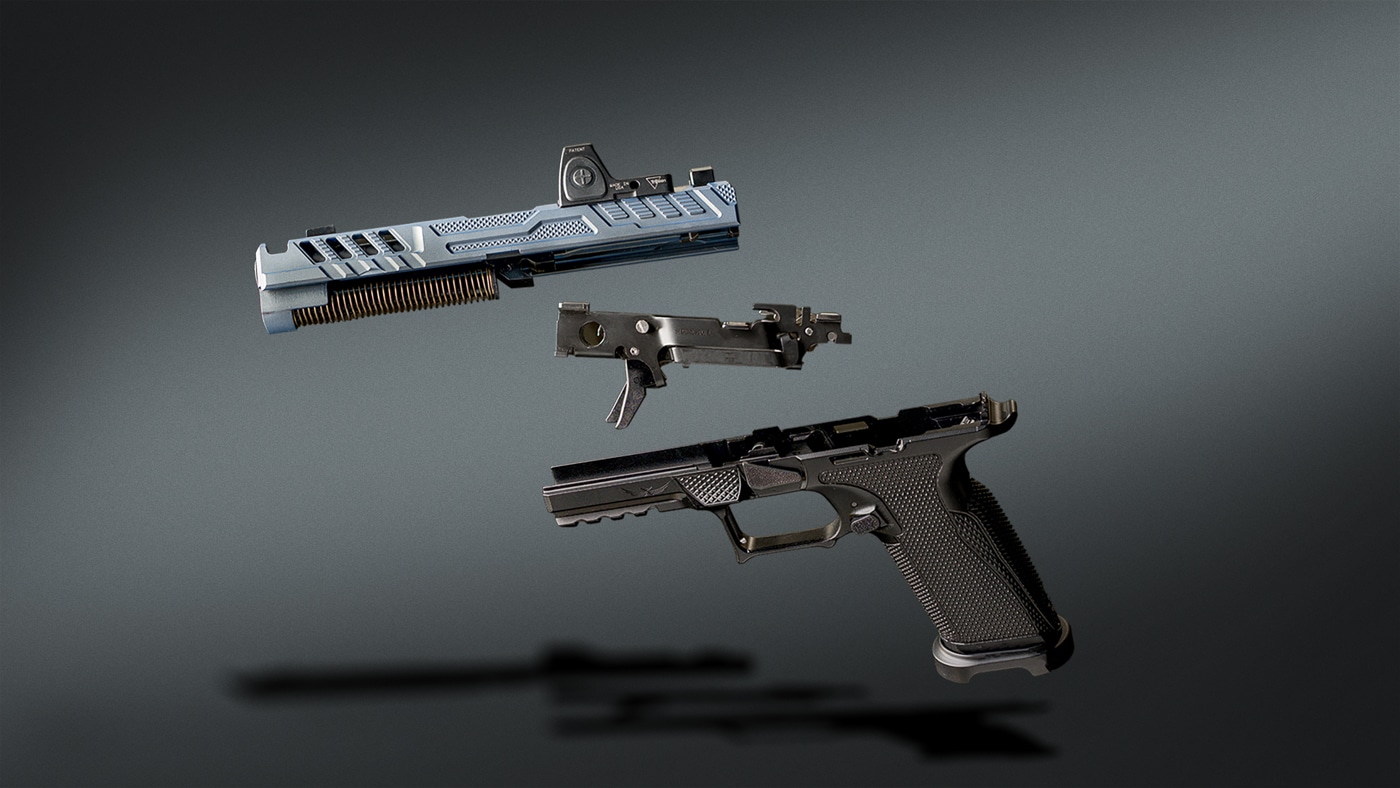
Along the way, I have also worked with a growing number of aftermarket components, swapping grip modules and experimenting with different configurations. After all that time with the platform, one of the things I find most interesting is that the feature that intrigued me from the very beginning is becoming more relevant today than it was when the Echelon first launched: the Central Operating Group, or COG.
Heart of the Matter
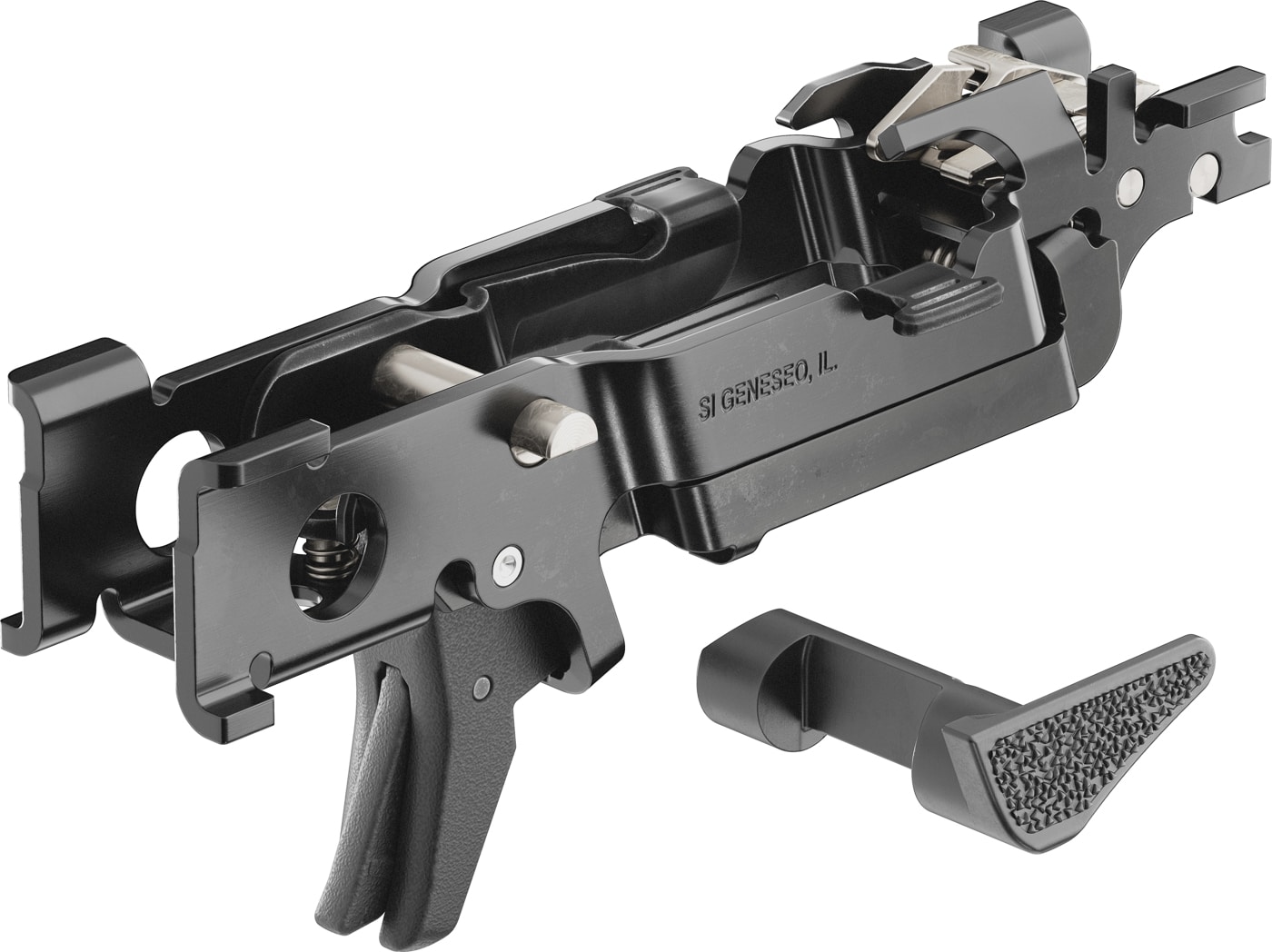
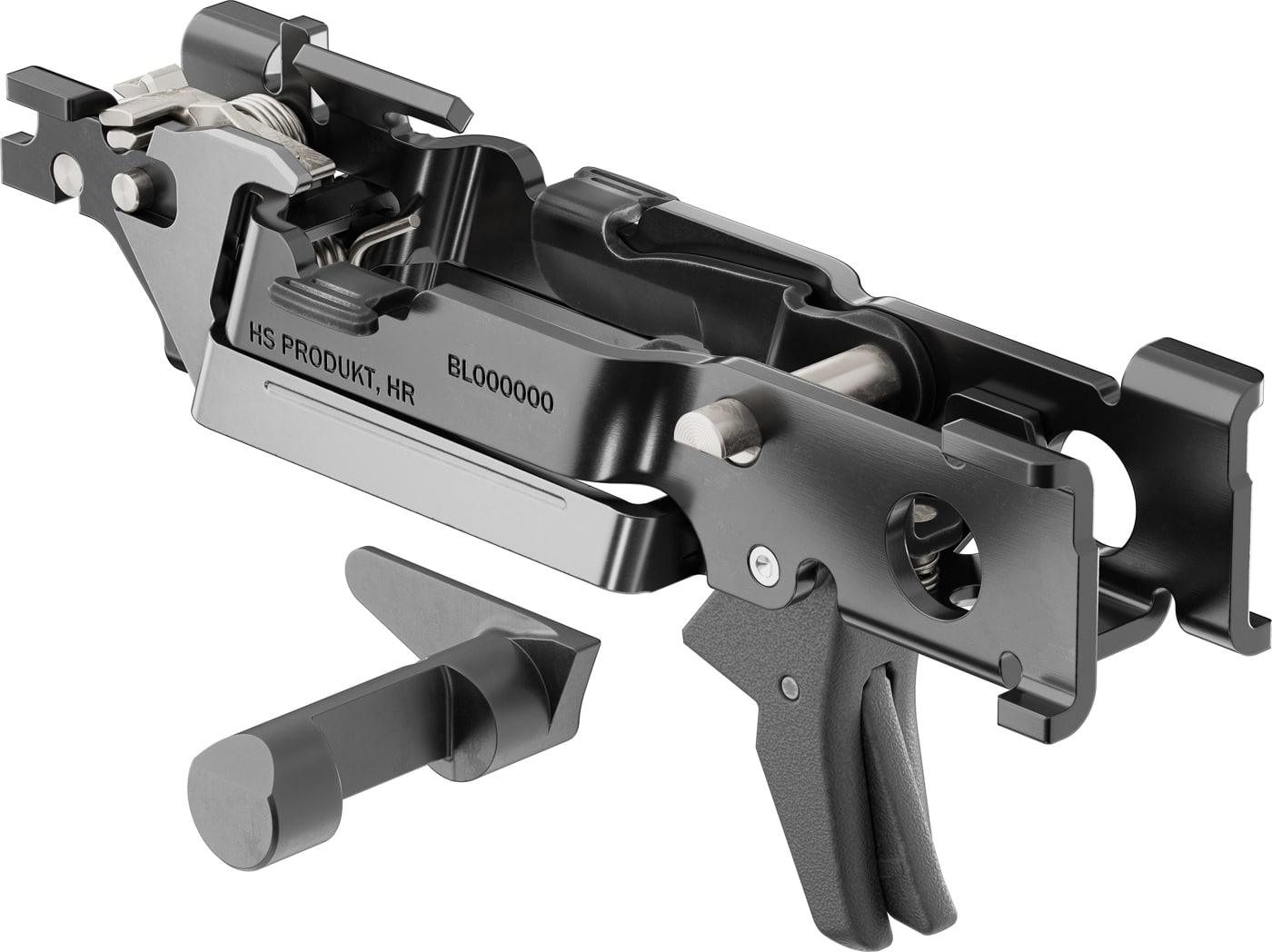
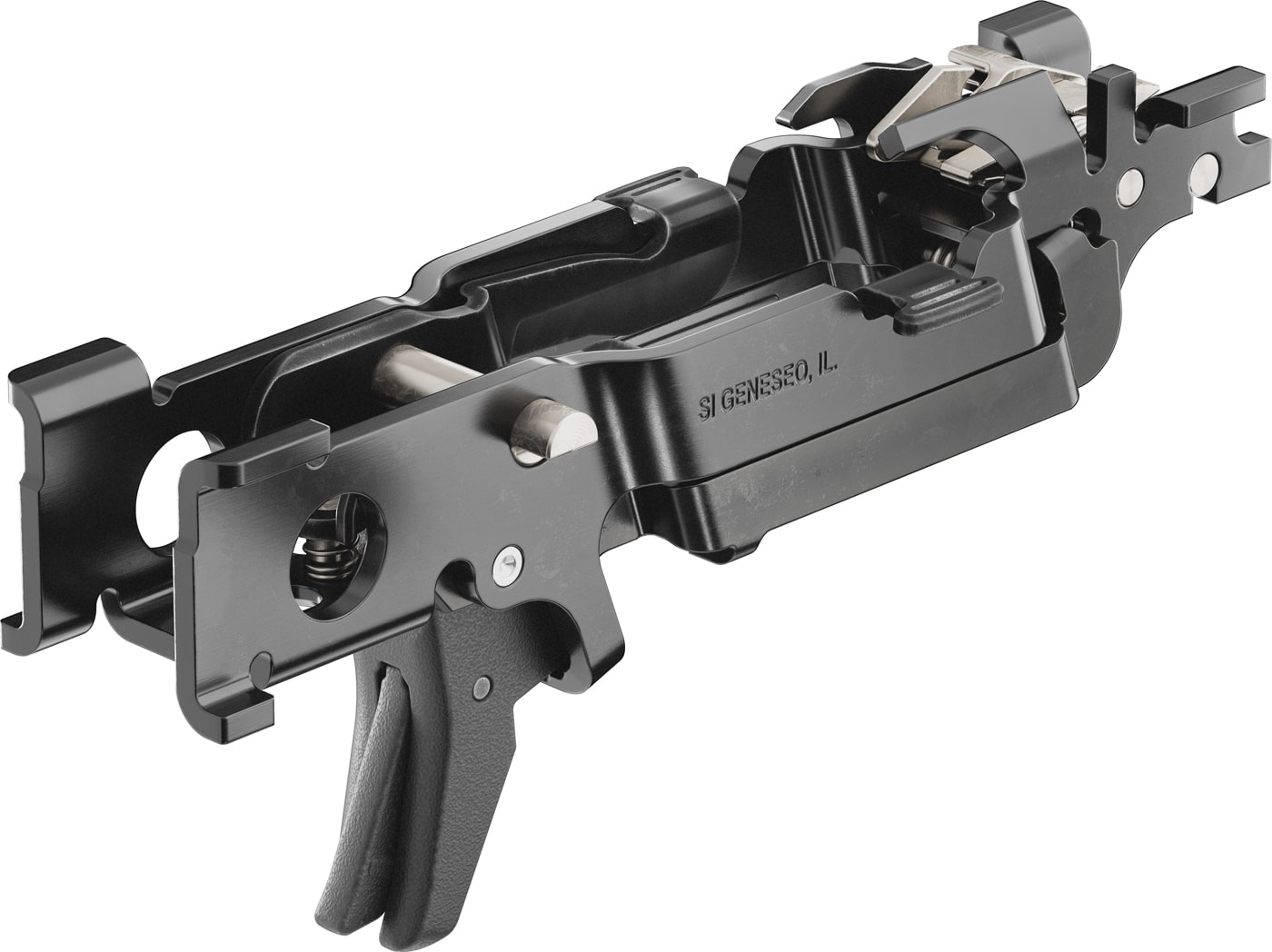
The COG is quite literally the heart of the Echelon. Rather than making the polymer grip module itself the serialized component, the Echelon is designed around a removable serialized chassis containing the primary operating components of the gun.
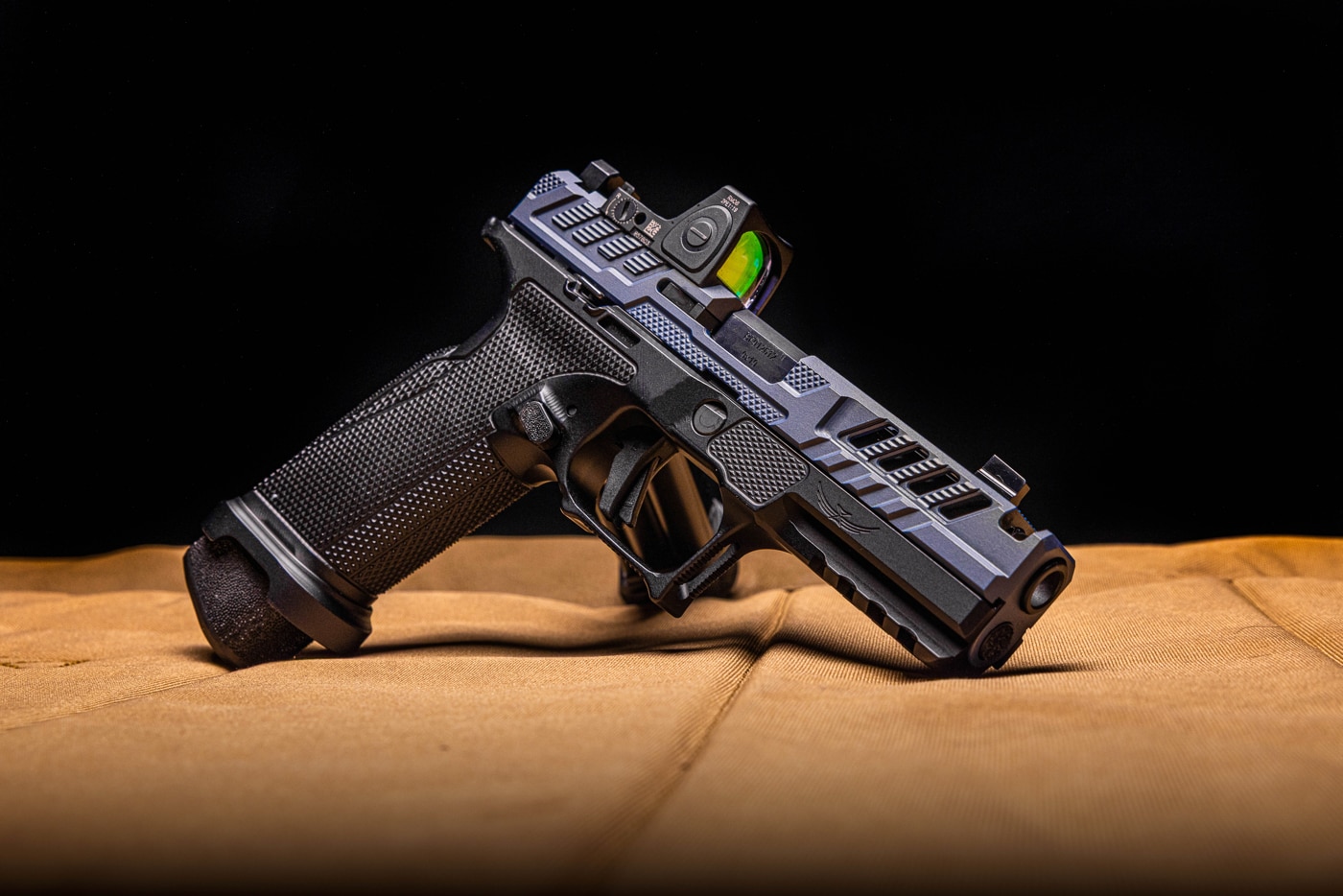
From the first time I handled the Echelon, I thought this was one of the coolest aspects of the design because of what it potentially meant for the future. You could retain that central operating system while changing the components surrounding it, allowing the pistol to evolve to fit the needs of the individual shooter. At the time, much of that potential was waiting for the broader ecosystem to catch up. We are now seeing exactly that.
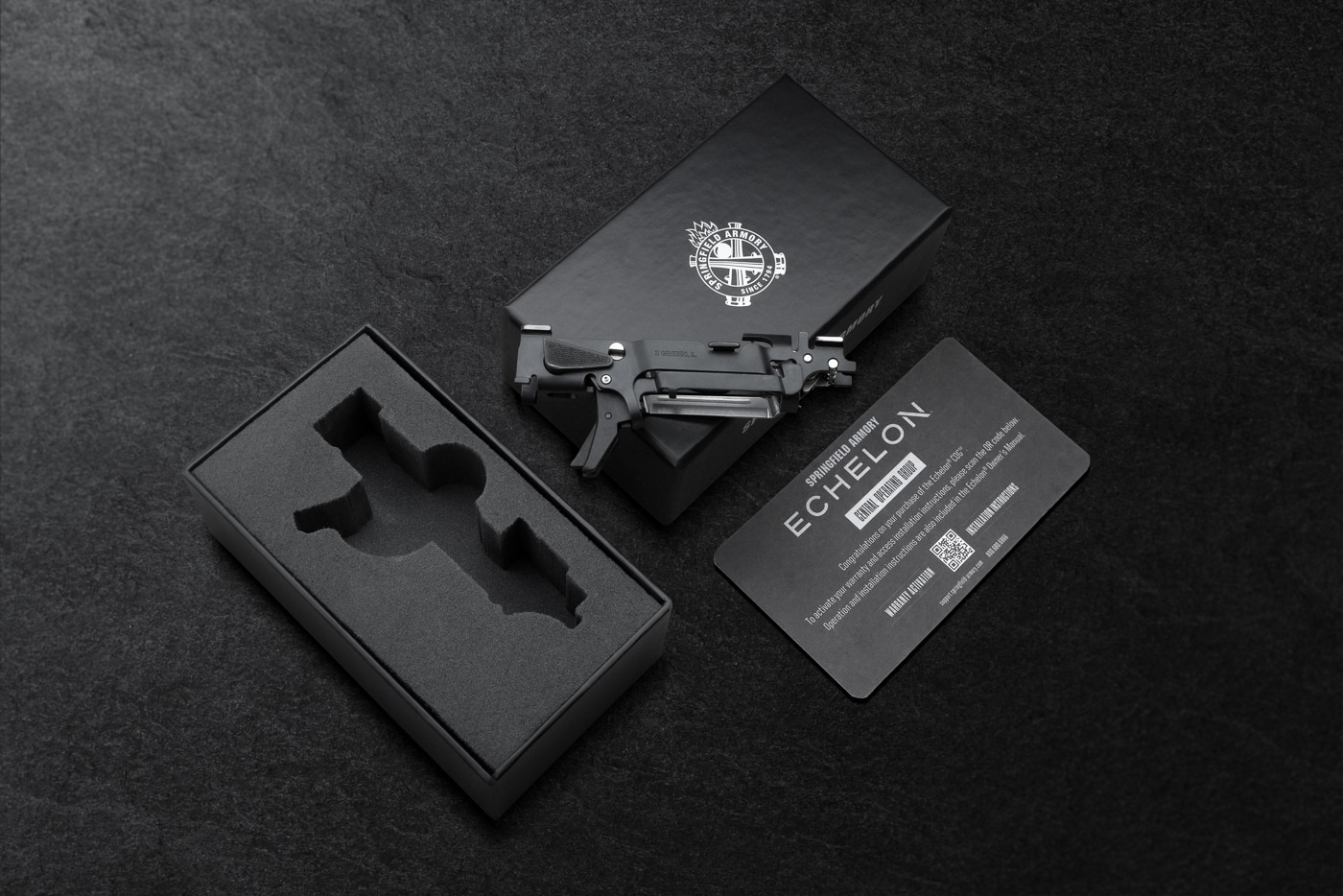
Springfield Armory is now offering the COG as a standalone serialized component (which comes packed with a matching takedown lever), and to me this represents a significant next step for the Echelon platform. For an MSRP of $295, you no longer necessarily have to start with a complete factory pistol knowing that you might replace several major components if you have a unique configuration in mind.
Instead, you can start with the heart of the system and build outward. Select the compatible grip module, slide assembly, barrel, sights, magazines, optic and accessories you want, and configure your Echelon around your preferences.
The standalone COG retains the core features I have become familiar with through my time running the Echelon. The system incorporates the Echelon’s flat-faced trigger with integrated safety along with the takedown lever that locks the unit into compatible grip modules.
Springfield also incorporates a secondary sear that operates independently of the release latch and serves as an additional safety during transport or in the event the pistol is dropped.
Expansive Choices
Springfield has already demonstrated how much flexibility exists around this operating system. As noted, the Echelon family includes configurations ranging from the compact 4.0C to the full-size-grip/compact slide 4.0FC and the full-size 4.5F, all centered around the COG.
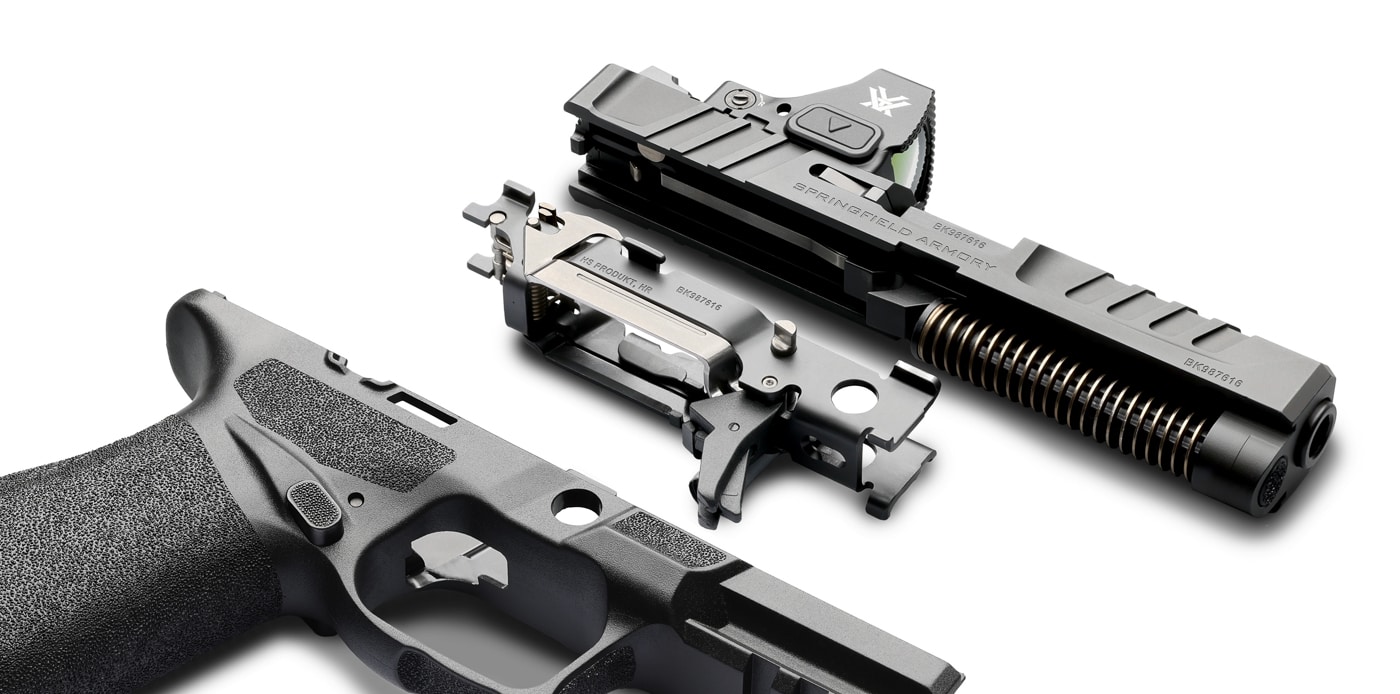
At the same time, aftermarket manufacturers have increasingly embraced the platform with grip modules, slides and other components that can substantially change the appearance, ergonomics and feel of the pistol.
Having a standalone COG in front of me immediately presented a question: If I were going to start from the operating core and build an Echelon around exactly what I wanted, which components would I choose?
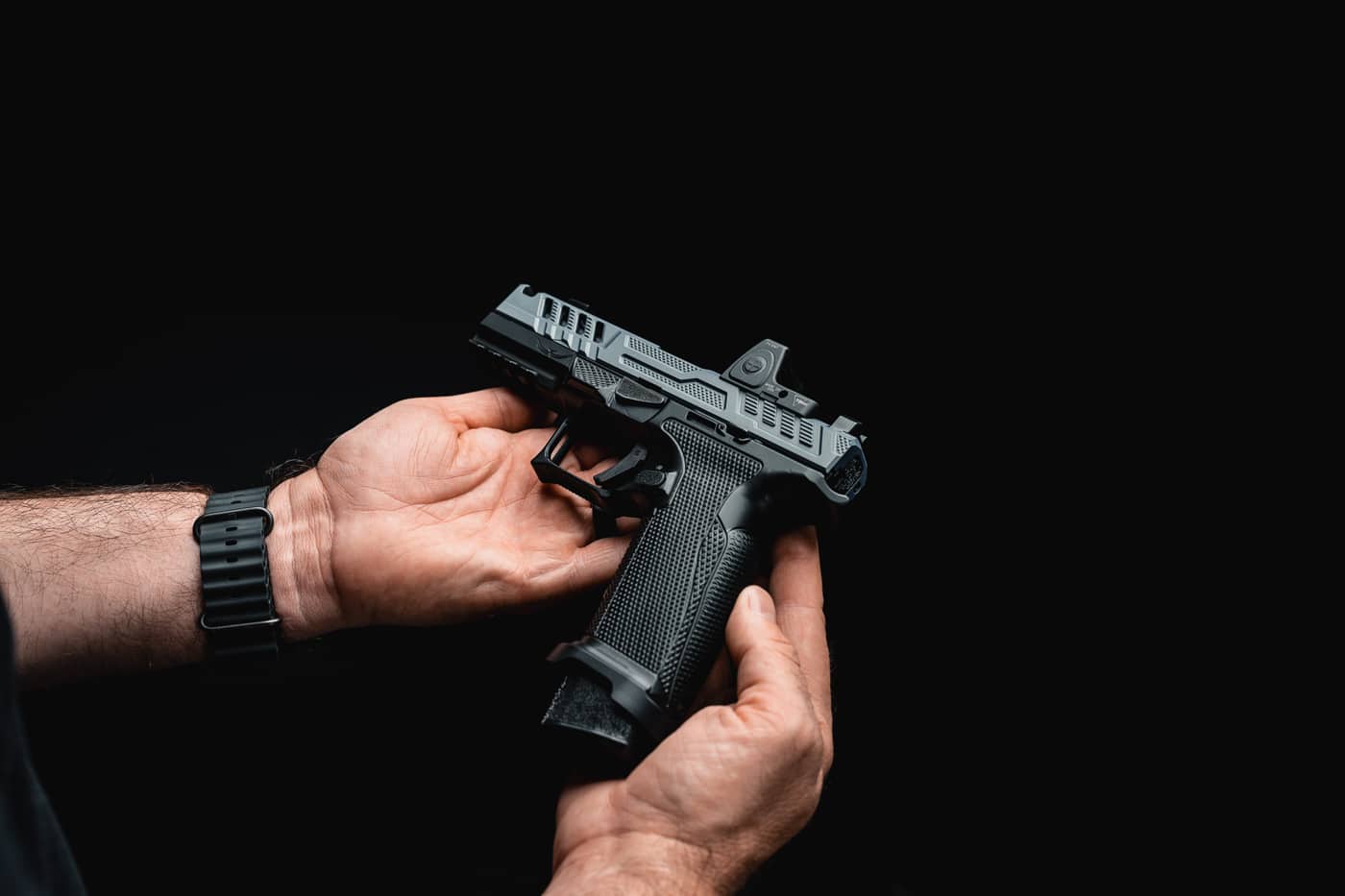
For this project, I was provided a full-size aluminum Echelon grip module from Icarus Precision and a custom 4.5” full-size slide from FDEZ WERX by those companies to help support the launch of the Echelon COG as a showcase of what could be done with the newly available standalone COG. The resulting pistol is considerably different from a stock Echelon visually and in the hand, while still being centered around the operating system that initially drew me to the platform.
Gripping Choice
The Icarus Precision module was an appealing choice for me because I already have quite a bit of experience with it. I have customized a few of my Echelons with third-party grip modules, and the Icarus remains my personal favorite. I have recommended it to more Echelon owners than I can count. The combination of aluminum construction, geometry, texture and overall shape just works exceptionally well for my hands.
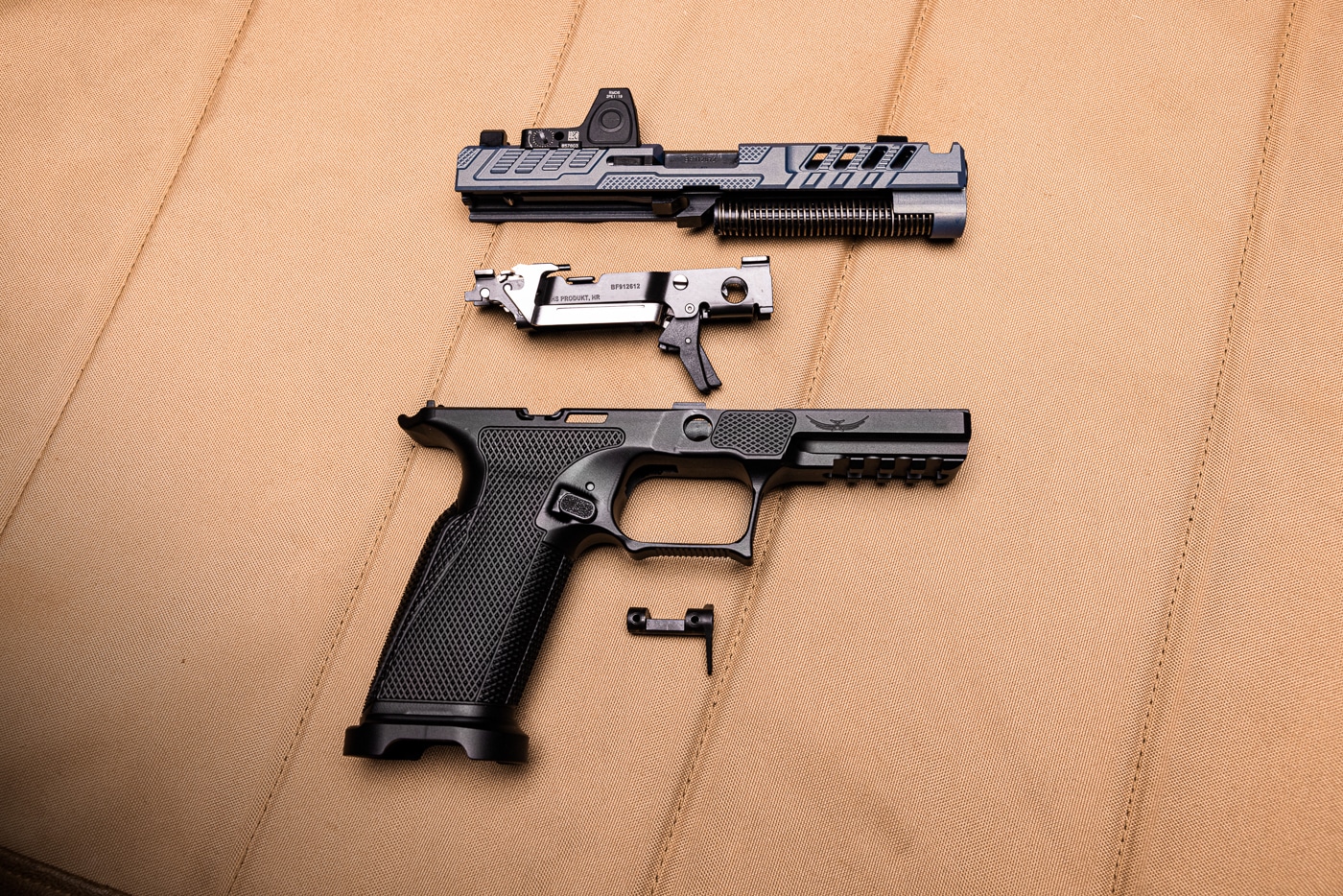
The full-size Icarus Precision Echelon module is CNC machined from 6061 aluminum and weighs approximately 7.1 ounces. It features a double-undercut triggerguard, flipped beavertail, integrated 1913 Picatinny rail, textured indexing surfaces and an integrated thumb rest.
Together, those features create a very different tactile experience from the OEM polymer module. There is a substantial, extremely solid feeling to the aluminum construction, and the cuts, contours and textured surfaces provide excellent indexing points for my hands.

Live The Armory Life. The latest content straight to your inbox plus an automatic entry to each of our monthly gun giveaways!
I have read and agree to the terms & conditions.I have always been a fan of the factory Echelon ergonomics, so it takes a really good aftermarket component to make me want to change something I already like. The Icarus module does exactly that. For my preferences, it enhances the experience. The added weight, aggressive control surfaces and overall shape give the gun a very appealing feel in hand.
Topping It Off
The FDEZ WERX slide was the newer part of this particular equation for me, and my first impressions were equally strong. Even before installing it, I was impressed by the presentation. There was clearly a lot of care taken in packaging and protecting the slide, and once I had it out where I could inspect the machining and finish up close, that attention to detail continued into the component itself. It feels and looks like a premium custom part.
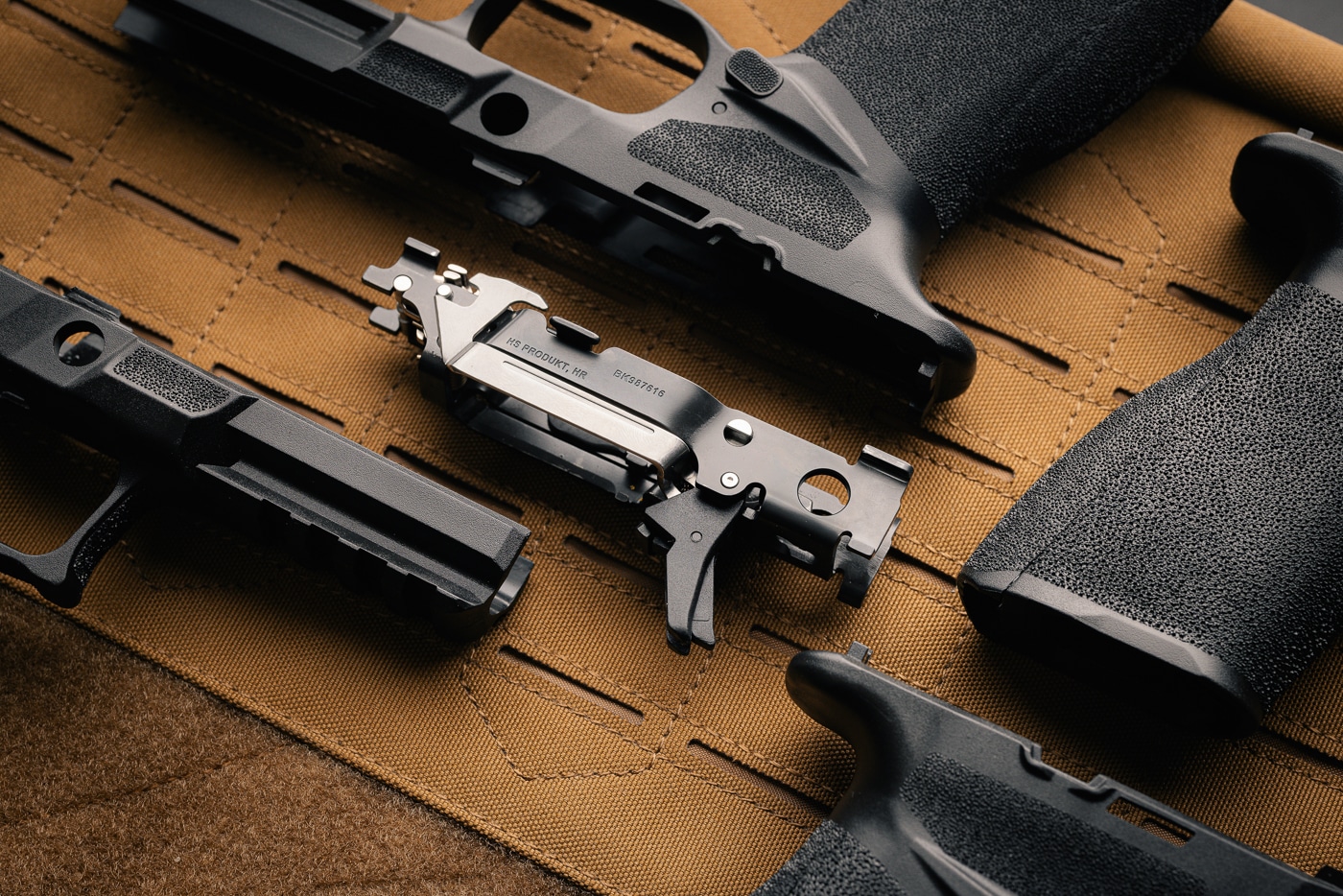
The blue finish on the slide I received is extremely striking, particularly when paired with the black Icarus aluminum module. The machining is aggressive without looking excessive, with cuts and contours that immediately distinguish it from a factory configuration.
There is a refined quality to the machine work that comes through when you have the component in hand. This might be the best-looking Echelon combination I have personally assembled to date.
The FDEZ 4.5” full-size slide is designed to work with Springfield Echelon 4.5” full-size internals, barrel and recoil spring assembly. According to information provided by FDEZ, it can be used with OEM ported and non-ported barrels as well as compatible FDEZ-produced barrel options. The slide also utilizes Glock-pattern iron sight mounts, opening up a large selection of aftermarket sight choices.
My slide came configured with a dedicated RMR optic mounting footprint. FDEZ notes that additional mounting options are planned, including RMSC and other configurations. The slides are offered in black Cerakote as the standard finish, while other single-color options can be requested. Multicam Cerakote treatments and a two-tone polished-side treatment are also available as upgrades.
Between the finish, sights, optic footprint and barrel choices, the slide adds yet another level of personalization to the build.
The Process
Putting everything together reinforces why I have liked the COG system since the beginning. I have removed and reinstalled the COG multiple times while working with different Echelon grip modules, and once you understand the process, it is remarkably straightforward.
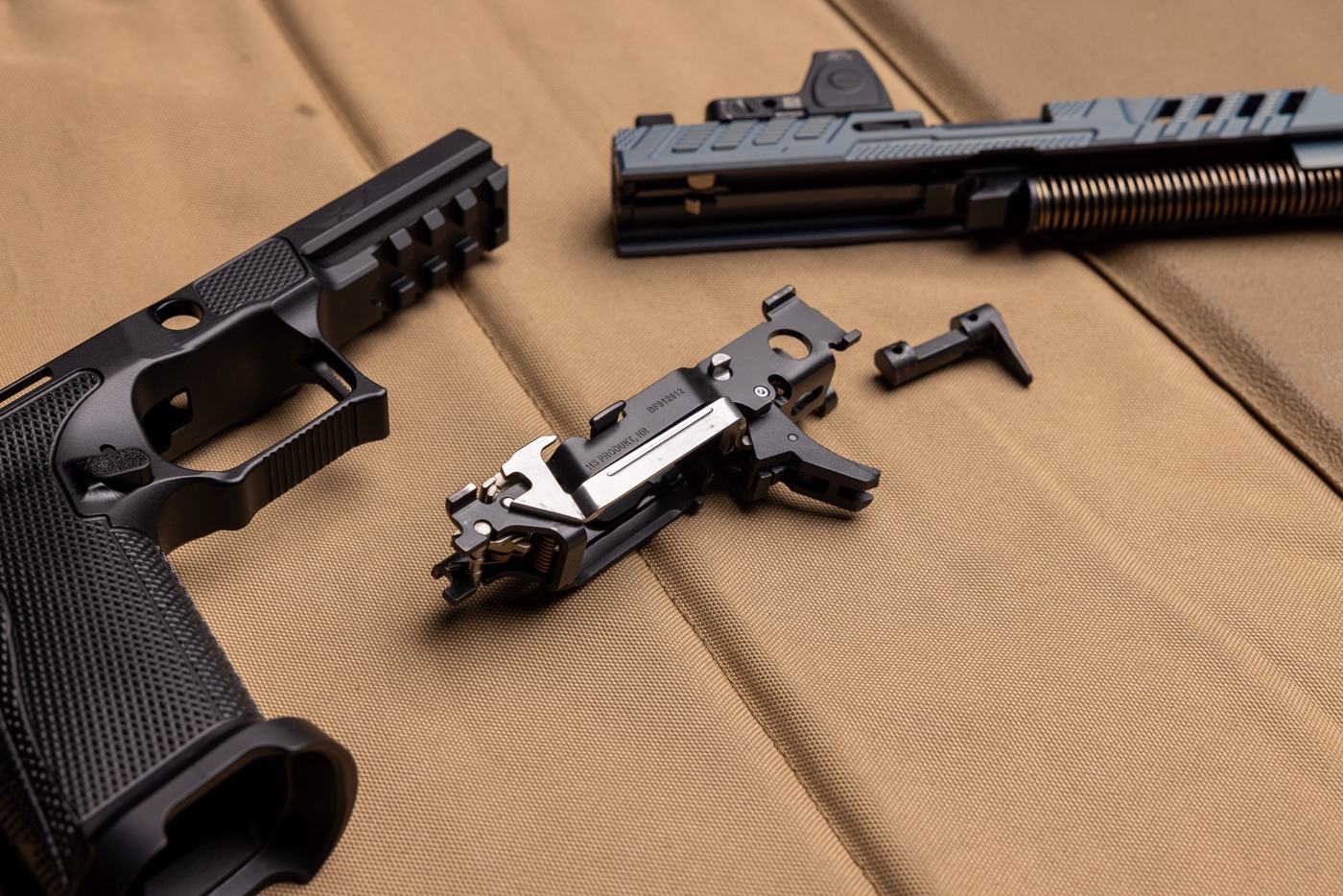
After ensuring everything is completely unloaded and safe, the pistol can be field-stripped and the slide removed. From there, the takedown lever is removed and the COG can be released from the grip module. When changing modules, the magazine release assembly can also be transferred before the COG is seated into its new home.
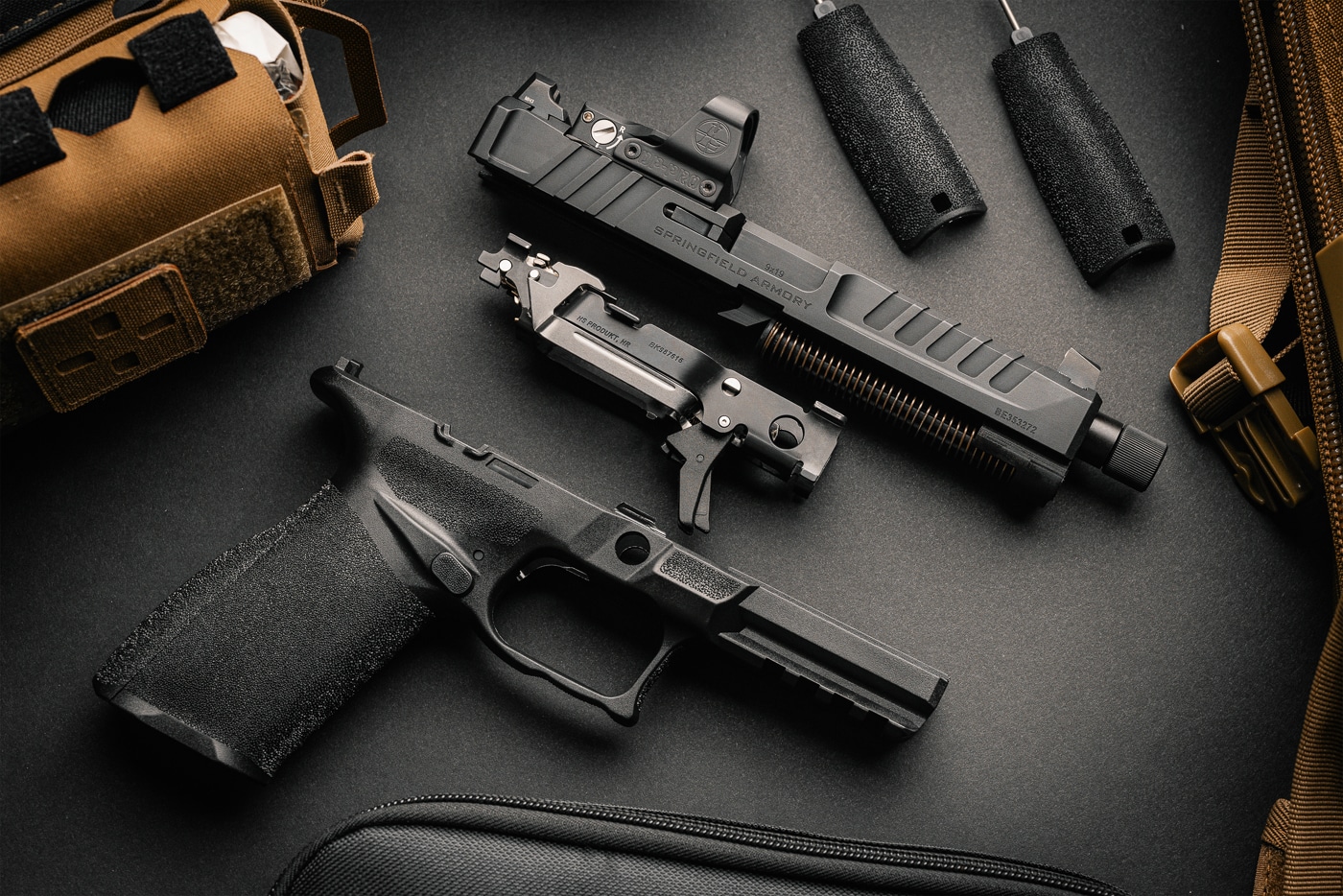
If you have never removed an Echelon COG before, I recommend following Springfield Armory’s instructions and taking your time the first time through the process. Once you understand how the components interact, the system makes a lot of sense. This isn’t customization that requires permanently altering the firearm or committing yourself to a single configuration.
In one of my previous Echelon projects, I described modular firearms as allowing you to keep everything that works so well “under the hood” intact while modifying the frame and control surfaces around it. With the COG now available independently, you can take that concept a step further. Instead of buying a complete Echelon and replacing components to arrive at a particular configuration, you can begin with the operating core and make those decisions from the start.
There is also something inherently enjoyable about putting together a firearm around components you specifically selected. Shooting is an incredibly personal experience, and anyone who spends enough time around firearms eventually develops preferences. Grip angle, texture, weight, control surfaces, optics, sights and aesthetics all factor into how much you enjoy interacting with a particular gun. A modular platform lets you configure those elements around what works for you.
The Result
For me, the Icarus and FDEZ combination really hit the mark. I already know from previous experience that the Icarus module is rock solid and works exceptionally well for me from an ergonomics and handling standpoint. The FDEZ slide is the new variable, but from its machining and finish to the way it fits into the overall build, my impressions are extremely positive. Together, they give the pistol a custom appearance without losing the Echelon identity at its core.
Having been front and center with the evolution of the Echelon since the platform launched has made this especially interesting for me to watch. When Springfield introduced the COG architecture, it was easy to imagine the possibilities. But modularity only becomes truly valuable when there are meaningful options available to take advantage of it.
Springfield has steadily expanded the factory Echelon family, while companies like Icarus Precision, FDEZ WERX and others have started pushing the platform in directions that simply weren’t available when the pistol initially launched.
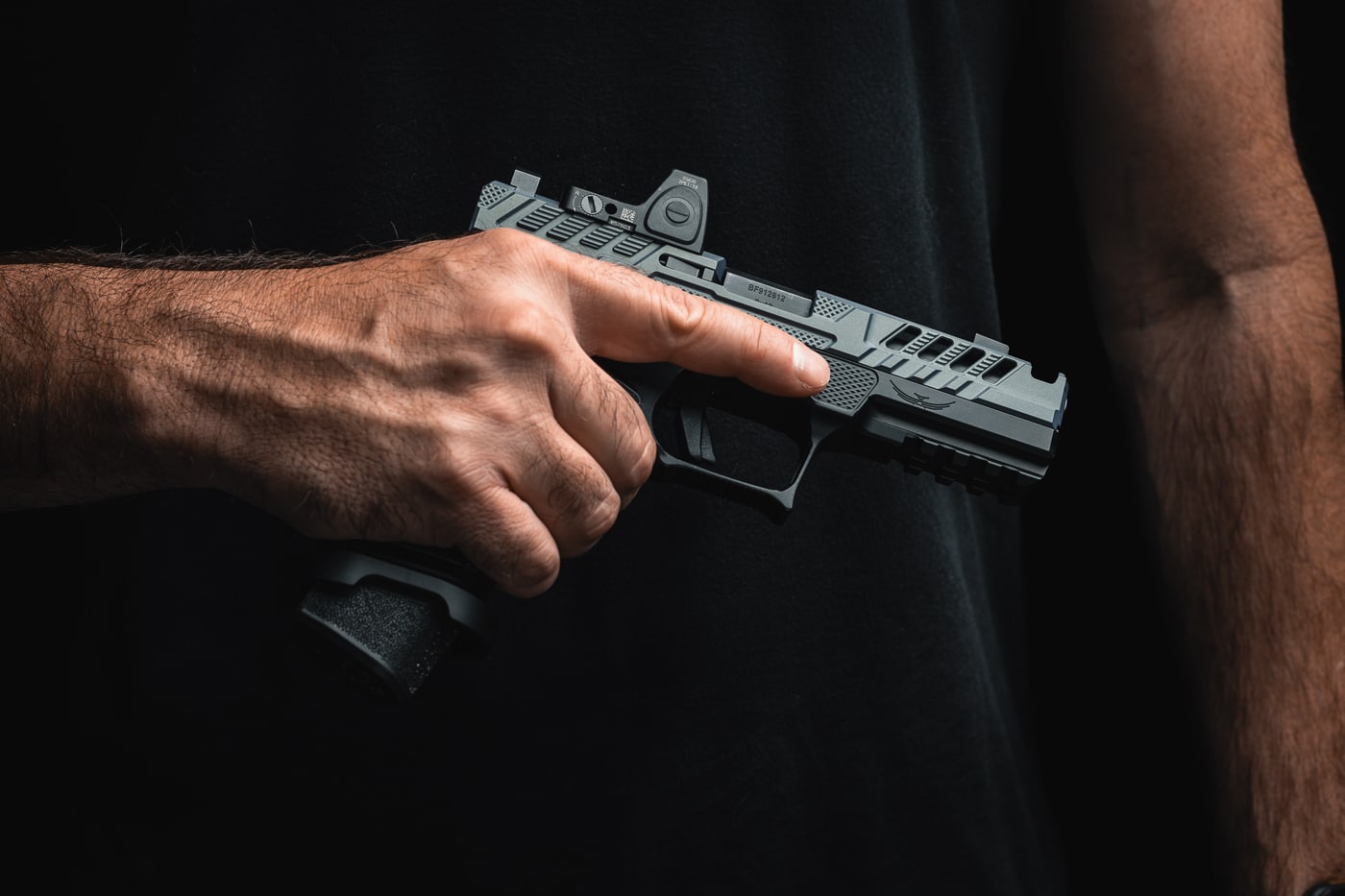
Making the COG available as a standalone component is an important part of that evolution because it gives shooters another way into the Echelon ecosystem. You aren’t necessarily beginning with a predetermined complete pistol anymore. You can begin with the foundation and decide for yourself what the rest of it is going to become. For enthusiasts who enjoy experimenting with their gear and dialing things in around their own preferences, I think that’s a very appealing proposition.
Conclusion
Based on the assembly process and my initial time handling the finished pistol, I am extremely happy with how this project gun landed. I already know what the Icarus Precision module brings to the table from my previous experience with it, and the FDEZ slide has impressed me tremendously from the standpoint of its machining, finish, presentation and overall feel. Together, the two make for an absolutely killer-looking Echelon and potentially my favorite combination I have put together so far.
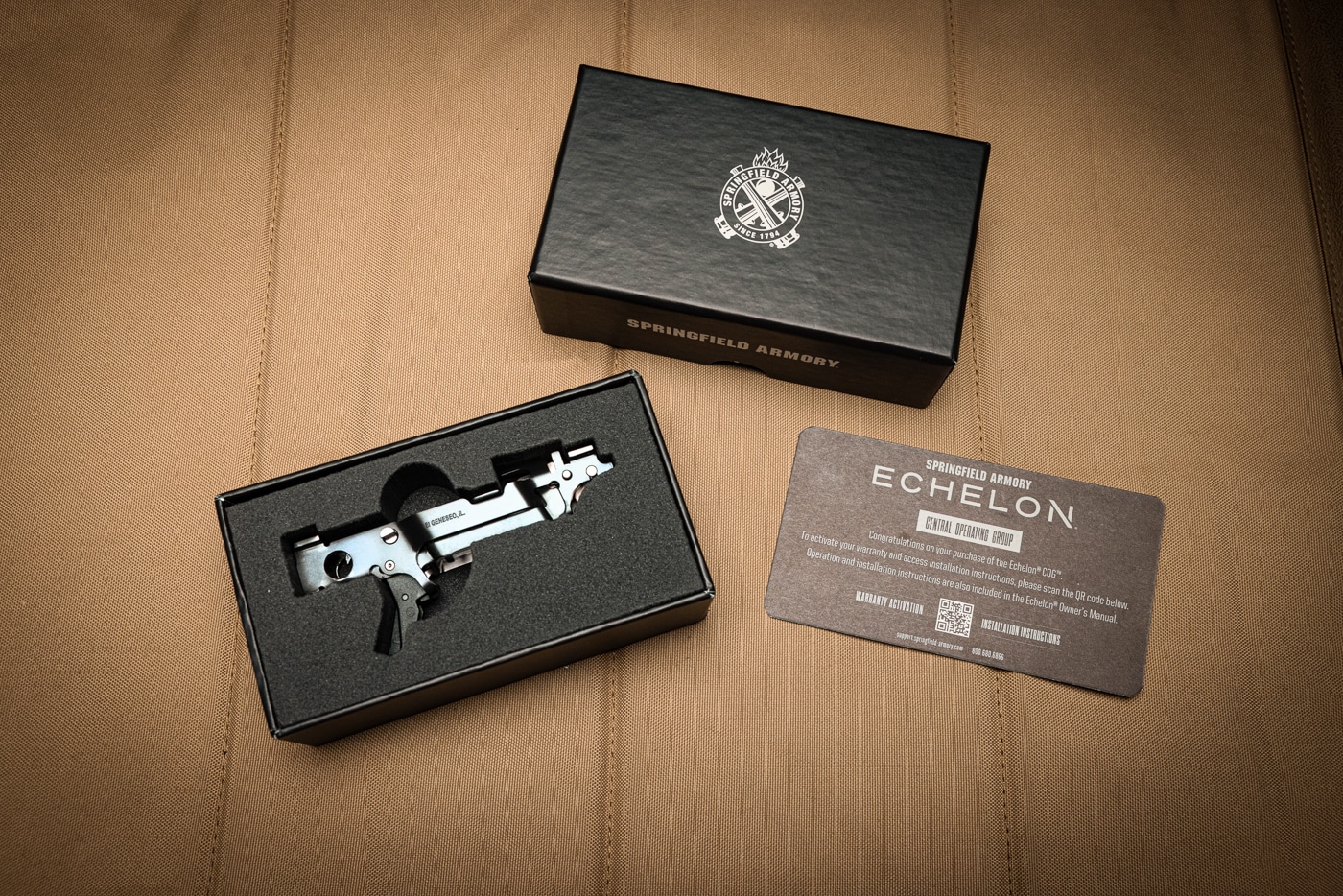
More importantly, the build demonstrates why the Central Operating Group interested me so much in the first place. The promise was always that the COG could serve as the heart of a platform capable of changing around the shooter. With the COG now available on its own and the aftermarket continuing to grow around it, that promise is becoming increasingly real.
Now I just need to get this thing dirty. I can’t wait to get this configuration out to the range, start putting rounds through it and experiment with it further. That will be a story for another day. For now, after years of following the Echelon from its introduction through the factory variants and aftermarket components I have worked with along the way, it is pretty damn cool to finally be able to start with the heart of the system and build the Echelon I want around it.
Editor’s note: Please be sure to check out The Armory Life Forum, where you can comment about our daily articles, as well as just talk guns and gear. Click the “Go To Forum Thread” link below to jump in and discuss this article and much more!
Featured in this video
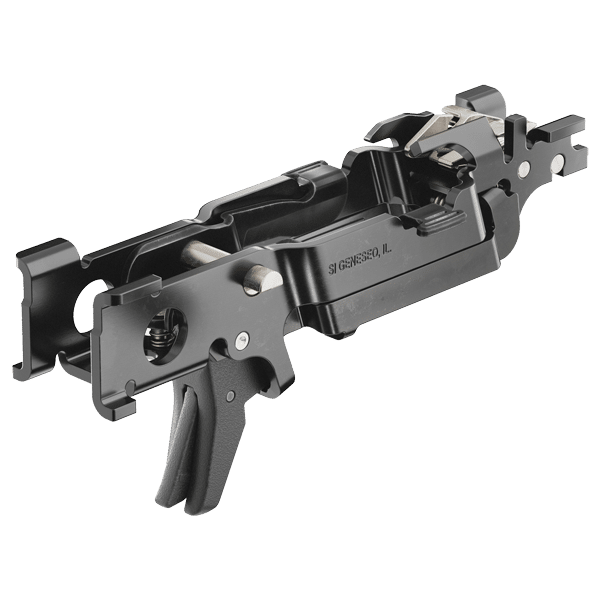
Echelon™ Central Operating Group®
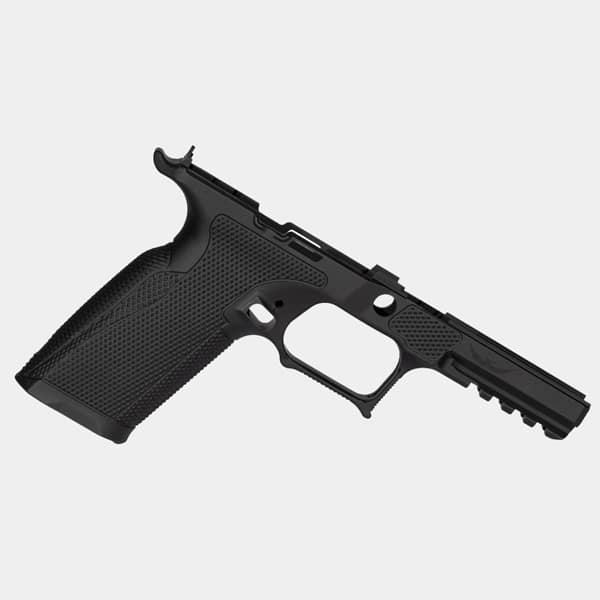
Icarus Precision Echelon Full Grip
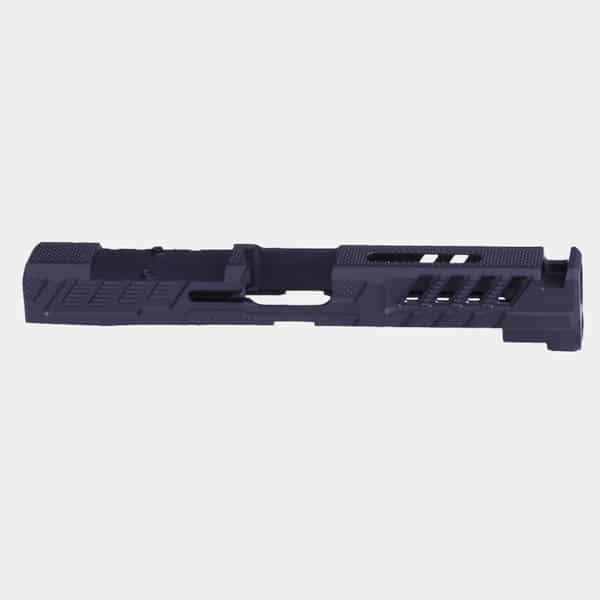
FDEZ WERX Echelon 4.5 Slide
The post COG: Build the Echelon Your Way appeared first on The Armory Life.