I’ve noticed something while poking around my local gun stores over the past few years—new single-shot shotguns have basically disappeared, or at least, the smart-money deals on single-shot shotguns have disappeared. While I don’t see a lot of gun writers lamenting this, I think it’s too bad—and it may cost the shooting community more than it realizes.
Fudd Friday: In Memory Of The Late, Great Single-Shot Shotgun
An H&R .410 single-shot Model 99. Once upon a time, guns like this were incredibly common in hardware stores, arming the casual hunters or beginners of North America. (Zac K.)
Basic bird blasters @ TFB:
Why buy a single-shot shotgun?
Everyone knows a rifleman wants to make every shot count, but in the world of shotgunning, it’s kind of a given that you’re going to miss some shots, especially when you’re inexperienced. At least, you’re likely to have some misses when you’re wingshooting, especially on smaller birds with a lot of speed, like a teal. And obviously, it’s very difficult to get a follow-up shot on a flying bird with a single-shot shotgun. In my neighborhood, there used to be a neighbor who went to “the gunning bar” with a single-shot, and a few shells held between the fingers of his forward hand on the shotgun. Local legend has it that he could reload that gun so quickly that he’d get follow-up shots on eiders, despite the limitations of his equipment, but those sorts of stories are rare (and even more so as time marches on).

A younger version of myself, in search of black ducks with a 10 gauge H&R. This gun was a heavyweight, coming in at 9.5 pounds. They added extra mass to cut the recoil of 3.5-inch goose loads. [Zac K.]
But even as many mentors like to start a kid off with a single-shot .22LR, teaching them the importance of accuracy, there are some who like to do that with a shotgun, too. They just accept that there will be more misses at first. And for some people, it’s easier to supervise a kid into safely handling a single-shot than it is a repeater.
And finally—the other obvious advantage is that traditionally, a single-shot was inexpensive.
My dad started his hunting career with a single-shot Winchester shotgun for all these reasons. My great-uncles’ gun racks were filled with single-shot shotguns for the same reasons too. And when I started taking my wife’s kid brother hunting, I started him off with single-shot shotguns as well. It was a very practical choice, and he proved very effective with that gun, very quickly. The skills he built translated to full bird straps after switching to a semi-auto.
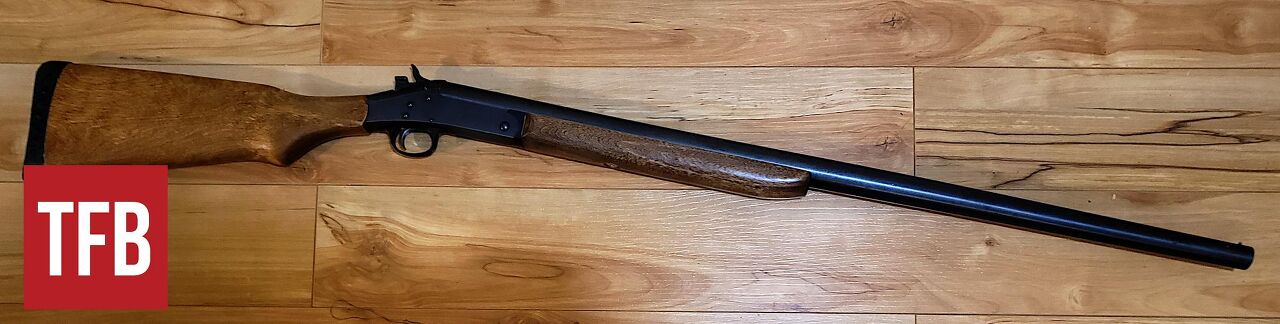
I sold this big 10 gauge after acquiring a BPS. I miss both of those guns, but really wish I’d kept this one. [Zac K.]
What if you’re not a beginner? I know that I, personally, still like a single-shot shotgun for several reasons. They give you an inexpensive way to try out a cartridge like 10 gauge or .410 (one of my favorite single-shot shotguns was an ancient H&R 10-gauge that smacked late-season black ducks like Thor’s hammer). They’re also quite light and handy, usually; if you’re going to be clambering through tangled underbrush looking for snowshoe hares, you appreciate this. In my neck of the woods in the northeast, a single-shot .410 or 20 gauge might be the ultimate small game gun.
What happened to single-shot shotguns?
Once upon a time, every manufacturer sold these in North America. Remington rebranded Brazilian-made single-shots. Savage sold the Model 94 (and also under different names) for about 60 years. Cooey owned the Canadian market with the Model 84, and then sold the Winchester 370 model into the US market as well. Winchester also had the Model 37; Iver Johnson had its Champion; and H&R made several series of single-shots, going all the way back to the late 1800s.
Almost all of these shotguns were low-priced. You could buy the Browning BSS for clay shooting, or the Thompson/Center accessories so you’d have a shotgun barrel for your T/C rifle, but for the most part, a single-shot shotgun was basic and affordable. The trouble was, repeating shotguns got a lot more affordable too, and single-shots couldn’t keep pace.
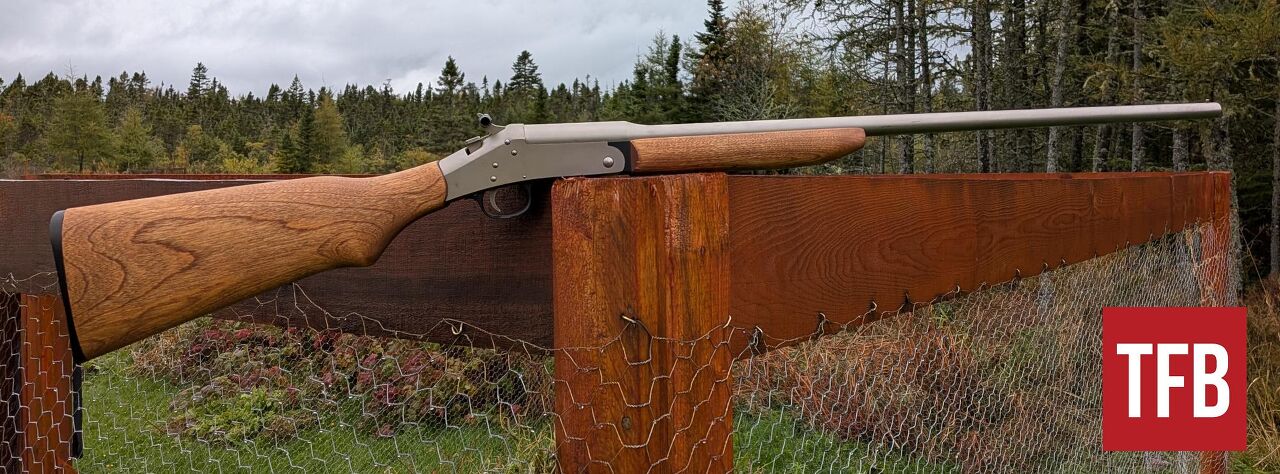
For small game hunting in the northeast, it’s hard to beat a small, light .410. [Zac K.]
When I was a young man, H&R’s single-shot shotguns were still available for under $200, but that was the starting price (give or take a sawbuck) for a Maverick 88 pump-action. It was an easy choice: I started saving for the Maverick. And many other parents and youngsters saw it the same way. H&R was the last company making reasonably affordable and reliable single-shots in the USA, and when Remington bought the brand, that was the end of that. You’ll never see it happen again, because cheap Turkish imports have taken that market segment over.
This is nothing new; Brazilian CBC shotguns and Russian Baikals (which Remington rebranded) and Canadian Cooey shotguns (wearing Winchester badging) were in the American market for years. But at that time, there were still American names on the receiver, and you could still buy competing American-made budget shotguns. That’s not the case anymore.
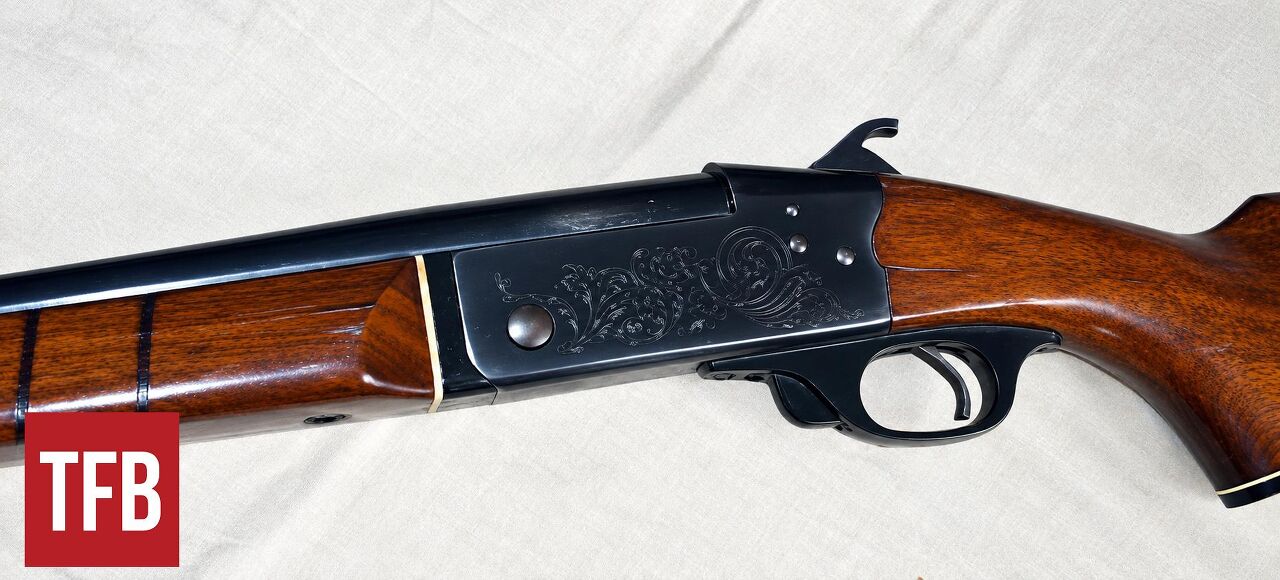
For years, Remington’s single-shots were actually made by CBC in Brazil. [Zac K.]
I understand why American gunmakers can’t still manufacture low-priced single-shots. The profit margins have disappeared. But I do wonder if the new generation of hunters are missing the experience of buying a low-priced but well-made shotgun that can cover all their hunting needs as they start out.
The modern option
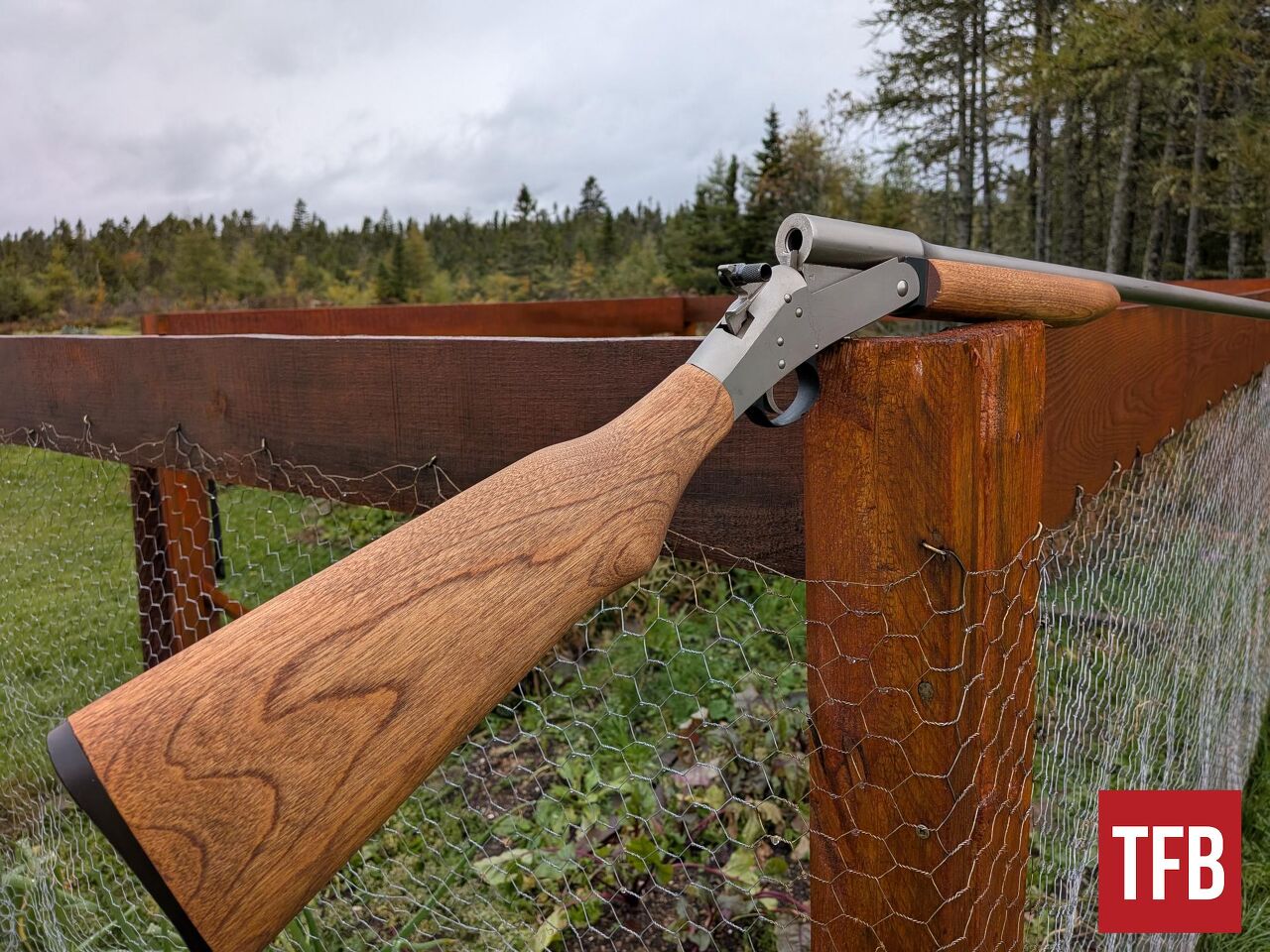
If you want a quality, American-built single-shot, the bargains are gone but the option is still there. Look at Henry’s single-shots, or if you’re feeling spendy, Thompson/Center. The Henry shotguns have an MSRP starting at $625, a lot more than the H&Rs of a couple of decades back, but they are built to a higher standard, so it’s a trade-off. Buy one of the Henrys, and you should have a shotgun that will serve you well for many years.
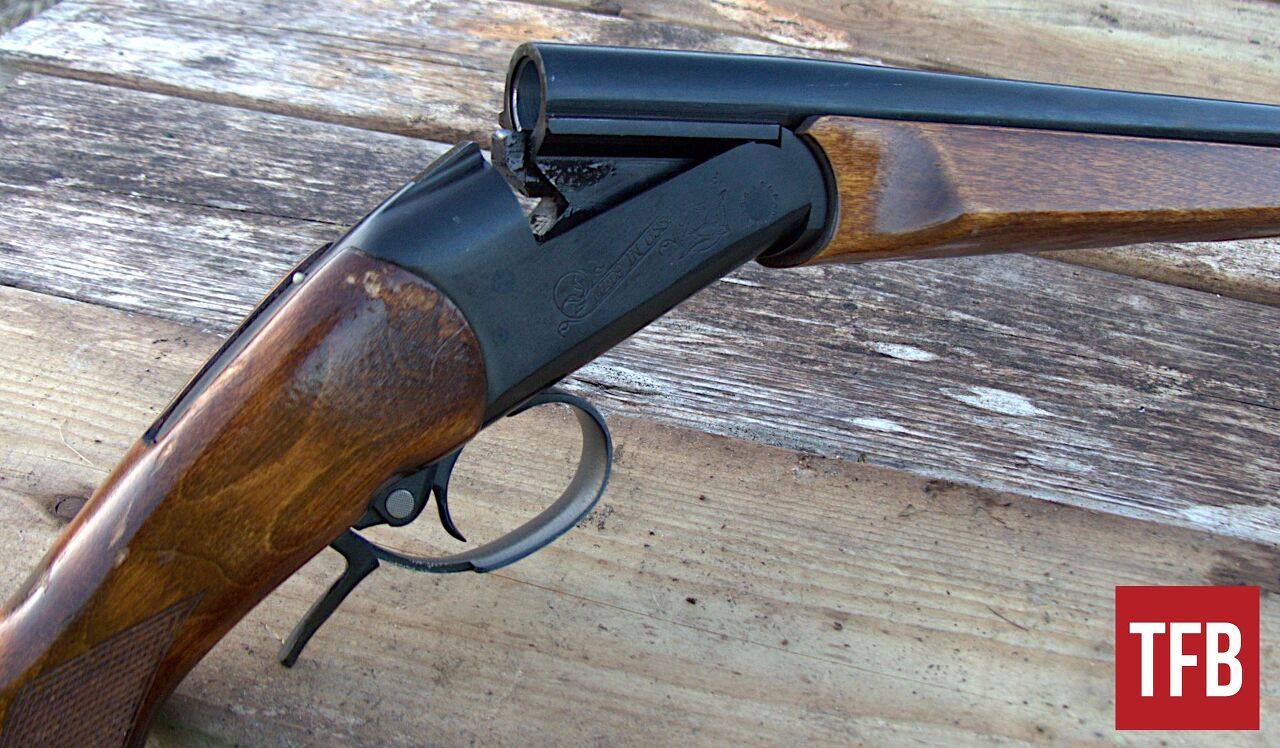
If I didn’t have money for a new Henry, I’d buy used. H&R is always a solid bet, but don’t overlook other classics like the Stevens Model 94 or the Baikal IJ-18 series. [Zac K.]
Or just go hit the used market. Buying a used single-shot shotgun can be a bit iffy, because quality varies widely between these models, and if something goes wrong, they’re not always easy to fix. But with the advent of YouTube tutorials, as long as you buy something relatively modern, it should be doable.
And if you get yourself something handy, like a classic Winchester 37 or an H&R Model 88, who knows? You might find you like carrying it afield a lot more than you enjoy your pricey semi-auto bird gun. If nothing else, you’ve got something to outfit your kids or grandkids.
If this post has you ready to hit the range, head over to gunranges.com - a free directory to help you find shooting ranges near you, wherever you are in the United States.
Related Topics: