Suppressed shooting is one of the genuine pleasures of this hobby. Less ear protection fumbling, no concussion, and a rifle that suddenly feels more civilised. It is also, if we are honest, a messy business. Hornady's new SBR Suppressed Supersonic line is aimed at the latter half of that equation.
Hornady SBR Suppressed Supersonic Ammo Line For Short Barrels and Cans
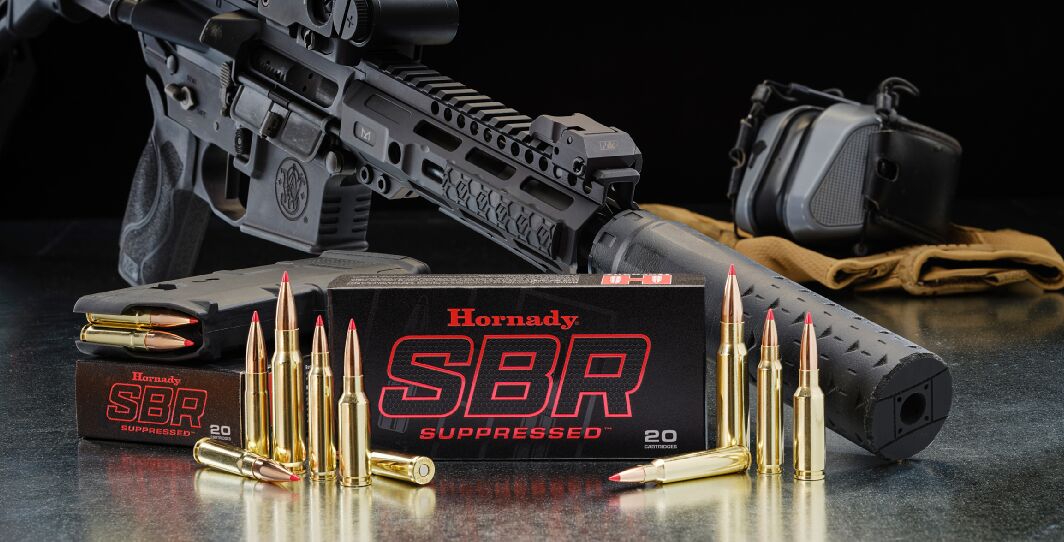
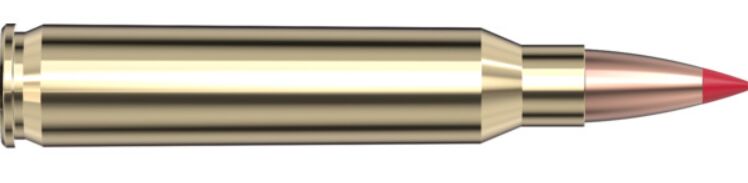
5.56 NATO 73 gr ELD® Match SBR Suppressed Supersonic
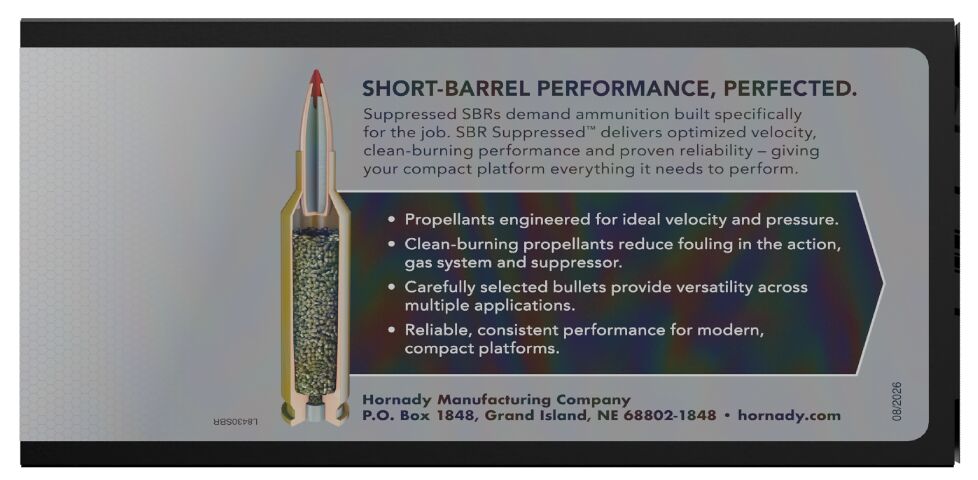
The premise is that suppressed SBRs and AR pistols need ammunition built for the job rather than ammunition that happens to work in them. Hornady's answer is optimized progressive-burning propellants that deliver ideal supersonic velocity while balancing pressure for reliable performance in compact platforms. Short barrels and suppressors change the pressure curve a cartridge sees, so a load tuned for a 20-inch barrel is rarely the load that runs best on a 10-inch one with a can hanging off the end.
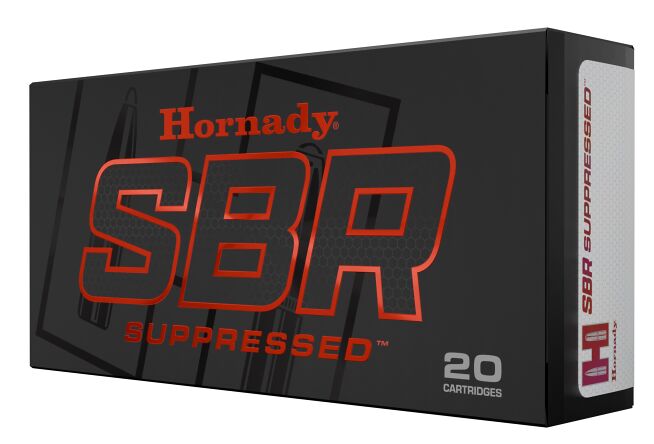
Fouling is the other target. Clean-burning propellants are meant to reduce buildup in the action, the gas system and the suppressor, which is where suppressed shooters do most of their complaining. Put a suppressor on a direct impingement rifle and you send far more gas, carbon and unburnt powder back into the receiver. The bolt carrier gets filthier, the gas gets dirtier, and eventually the rifle lets you know about it. Lubrication will help, but only so much.

The 6mm ARC 108 gr ELD Match SBR Suppressed Supersonic
Then there is the smoke. A suppressor traps gas, cools it and releases it slowly, which is exactly what makes a first-round pop and a lingering cloud in front of the muzzle. On a still day at an indoor range, a suppressed rifle will fog your own sight picture, and the gas that does not go forward tends to come back past your face. None of that is a real reason to stop, but anyone selling you suppressed shooting as a clean experience has not done much of it.

The 300 Blackout 178 gr ELD Match SBR Suppressed Supersonic
Which brings us to the obvious objection: suppressed supersonic is a bit of a contradiction. The bullet is still breaking the sound barrier, so the crack travels downrange whatever is on the muzzle, and nobody is going to call this quiet. What a suppressor does with a supersonic load is remove the muzzle blast, which is the part that hurts your ears and announces your position to everything within a few hundred metres. Reduced signature, reduced recoil, no blast wave, and ballistics that actually work past 100 metres. Subsonic buys silence at the cost of trajectory and terminal performance. Supersonic suppressed buys most of the comfort and keeps the rifle useful. Both are fun, and this line is squarely aimed at the second group.
Note that I always recommend that you shoot with ear protection, unless it’s a suppressed .22LR or something similar. That goes especially if you’re shooting a lot of rounds, with objects that reflect sound nearby.
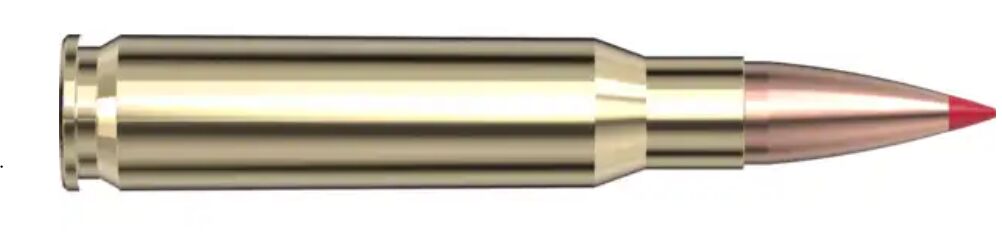
308 Win 178 gr ELD Match SBR Suppressed Supersonic
Bullet selection stays versatile rather than specialised. Hornady has gone with ELD Match projectiles across the line, chosen to work across multiple applications rather than being tuned for one narrow job.
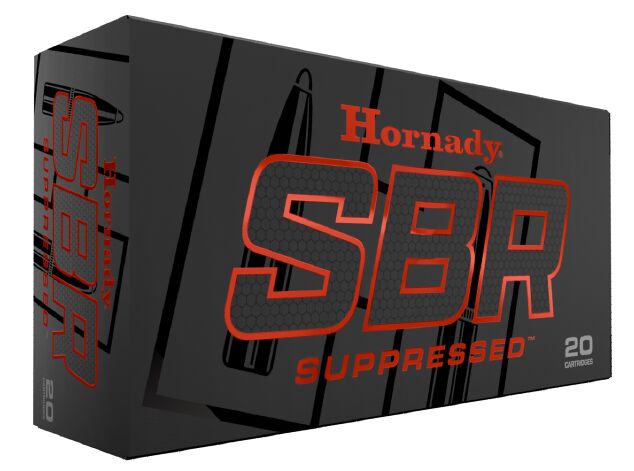
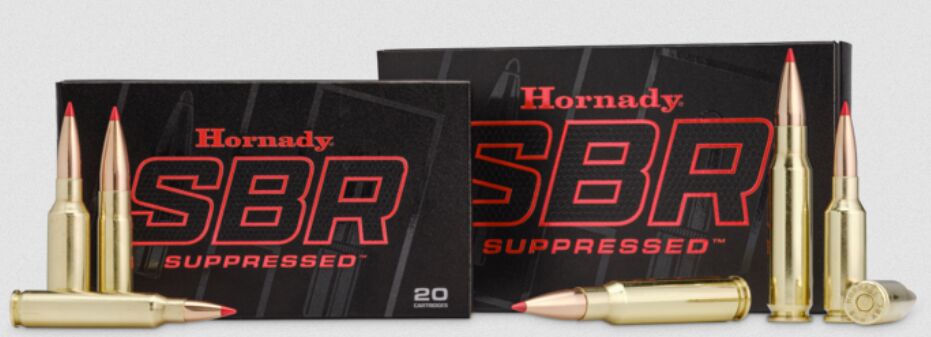
Four loads launch the line: 5.56 NATO with a 73 gr ELD Match, 6mm ARC with a 108 gr ELD Match, 300 Blackout with a 178 gr ELD Match and 308 Win with a 178 gr ELD Match.
The 300 Blackout entry is the interesting one, since a 178 gr supersonic Blackout load is a deliberate choice in a cartridge most people associate with heavy subsonics. That has to be a hard-hitting projectile.
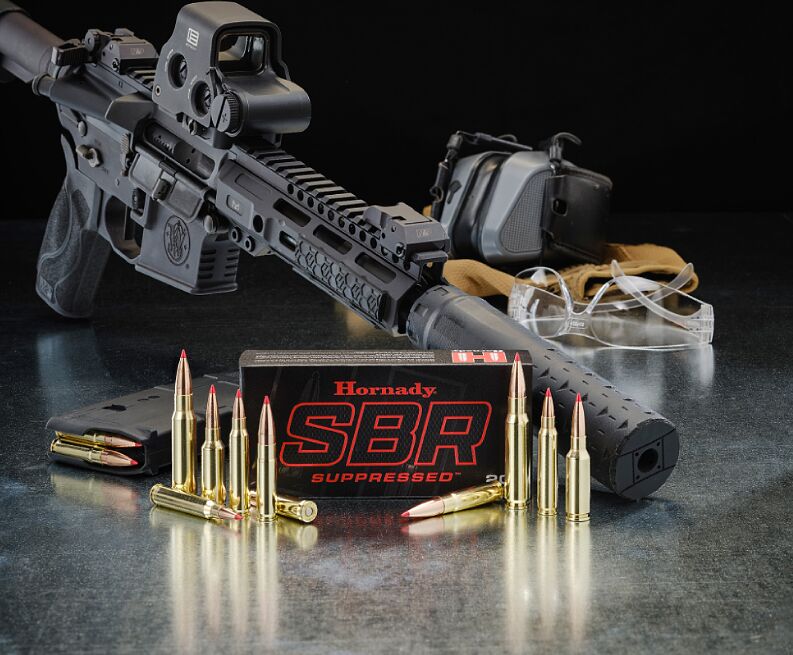
Hornady SBR Suppressed Supersonic - the details:
- 5.56 NATO, 73 gr ELD Match, item 81244
- 6mm ARC, 108 gr ELD Match, item 81614
- 300 Blackout, 178 gr ELD Match, item 81013
- 308 Win, 178 gr ELD Match, item 81053
- Progressive-burning propellants tuned for supersonic velocity and balanced pressure in compact platforms
- Clean-burning propellants to reduce fouling in the action, gas system and suppressor
- ELD Match bullets selected for versatility across applications
Do you shoot suppressed supersonic, suppressed subsonic, or both?
If this post has you ready to hit the range, head over to gunranges.com - a free directory to help you find shooting ranges near you, wherever you are in the United States.
Related Topics: