How Tank Armor Really Works
There is a comfortable lie sold by war movies and video games that a tank survives incoming fire simply by being an absurdly thick wall of solid steel. You take a hit, the hull rings like a church bell, sparks fly into the dirt, and the crew rolls forward without spilling their coffee.
Anyone who has ever actually sat inside an armored vehicle knows better. Tanks are not indestructible metal boxes, they are rolling compromises. Every extra pound of protection you add onto the chassis directly inhibits the machine’s ability to traverse mud, cross bridges, and keep its transmission from tearing itself to pieces.
Even worse, the game of simply making steel plates thicker died decades ago. A modern anti-tank round doesn’t politely poke a hole through the metal. Instead, it hits with the hyper-dense kinetic fury of a two-foot-long depleted uranium dart traveling a mile a second. Either that, or it focuses high explosives into a jet of molten copper slicing through armor at Mach 25.
To keep four human beings breathing inside that enclosed metal space, modern armor had to stop being a static slab of iron and start acting like an active, violent science experiment.
Before you can understand how armor stops a round, you have to understand the two distinct flavors of ammunition engineered to kill a combat vehicle: kinetic energy and chemical energy. Every anti-tank weapon built over the last century falls into one of these two categories, and each uses entirely different physical laws to achieve their end state.
Kinetic Energy: The Silver Bullet
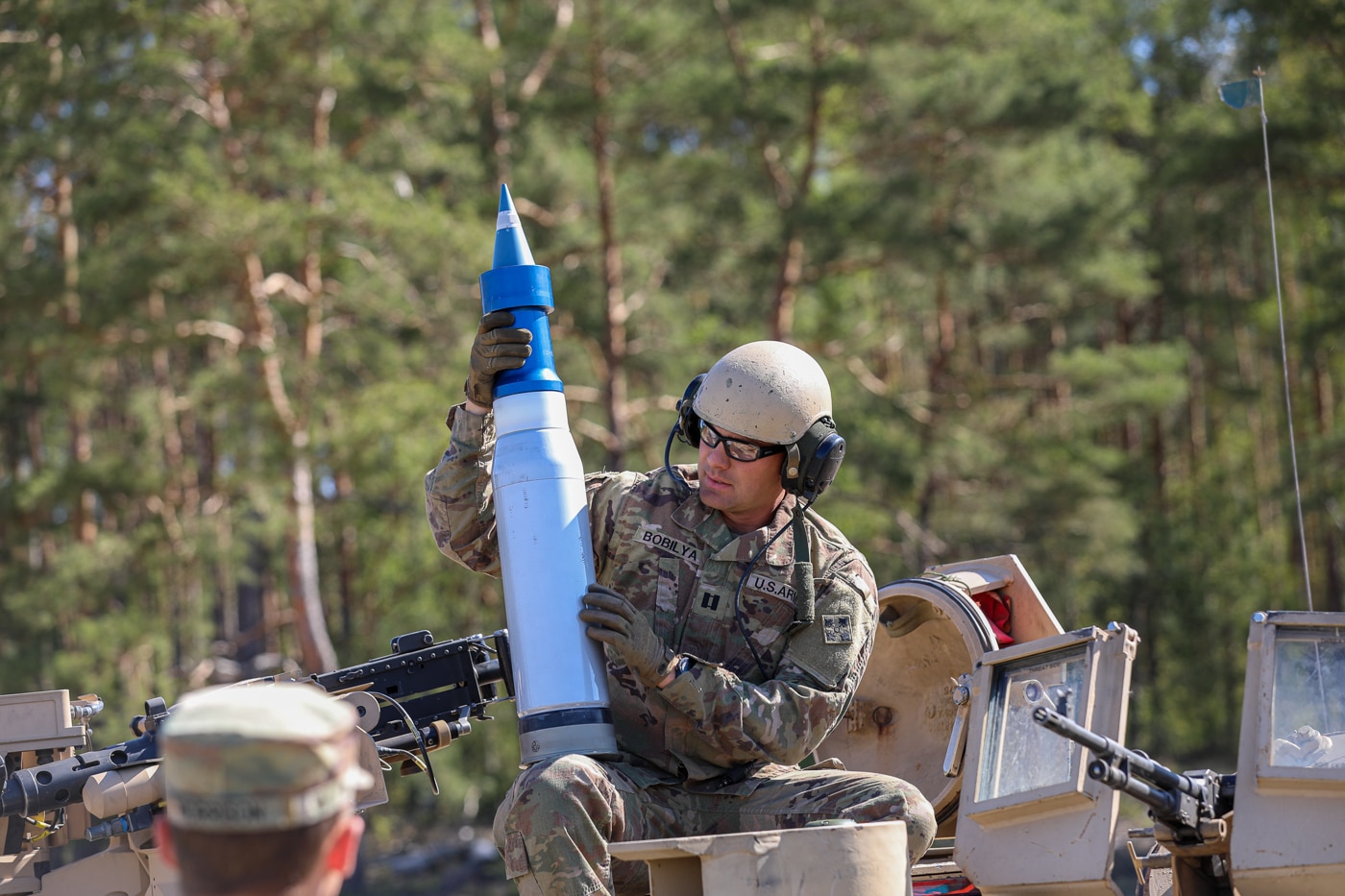
Kinetic threats do not carry explosives. They don’t need them. They rely purely on mass, hyper-dense materials, and raw velocity. In modern combat, the king of kinetic violence is the Armor-Piercing Fin-Stabilized Discarding Sabot (APFSDS) round, which is colloquially known on the gun line simply as a “sabot.” When fired from a tank cannon, lightweight sabot petals strip away in the air, leaving behind a two-foot-long dart of heavy metal (usually depleted uranium or tungsten carbide) barely thicker than a broom handle.
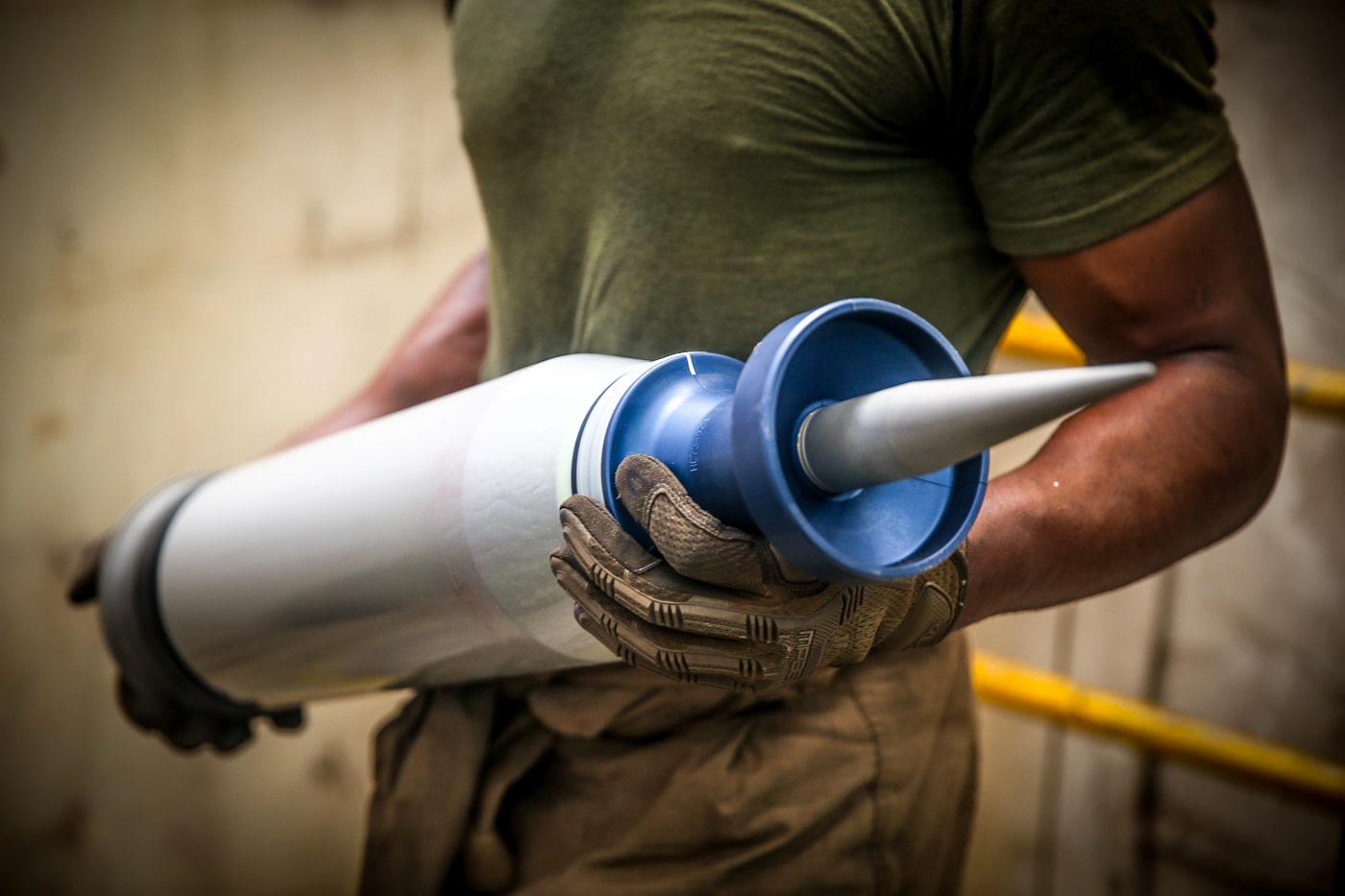
Striking at upwards of 5,250 feet per second, the dart concentrates thousands of foot-pounds of destructive kinetic energy onto a surface area no larger than a quarter. At those velocities and pressures, standard physics breaks down. The dart does not smash or drill through armor; it behaves hydrodynamically. The penetrator and the armor plate flow against each other like high-pressure liquids, with the dense dart displacing steel out of its path until it perforates the hull, superheats the crew compartment, and sprays high-velocity fragmentation across everything inside.
Chemical Energy: The Molten Needle
Chemical energy rounds, by contrast, do not care how fast the tank was driving or how far away the gunner pulled the trigger. Their lethality comes from chemistry, not muzzle velocity.
Found in High-Explosive Anti-Tank (HEAT) rounds, wire-guided missiles, and cheap shoulder-fired RPGs, these weapons exploit something called the “Munroe effect.” Inside the warhead, a precision machined inverted cone of copper sits in front of a high-explosive charge. On impact, a standoff fuze fires the explosive from the rear, collapsing the copper cone inward under immense pressure.
Crucially, this does not melt the copper into liquid. It forces the metal into a superplastic, solid-state jet screaming forward at roughly 25 to 30 times the speed of sound. When that hypersonic needle hits armor, the pressure exceeds the structural strength of any known metal, piercing three to four feet of solid steel like a high-pressure hydro-jet through chalk. Once inside, the overpressure and white-hot copper wash through the hull, igniting ammunition, crew and hydraulic fluid instantly.
Every single innovation in tank armor over the last 80 years, from sloped plates to explosive blocks, has been a desperate attempt to protect against these two specific mechanics.
The Steel Era: Boiler Plate, Rivets, and Good Ol’ Fashioned Geometry
In the beginning, armor wasn’t sophisticated. It was just heavy.
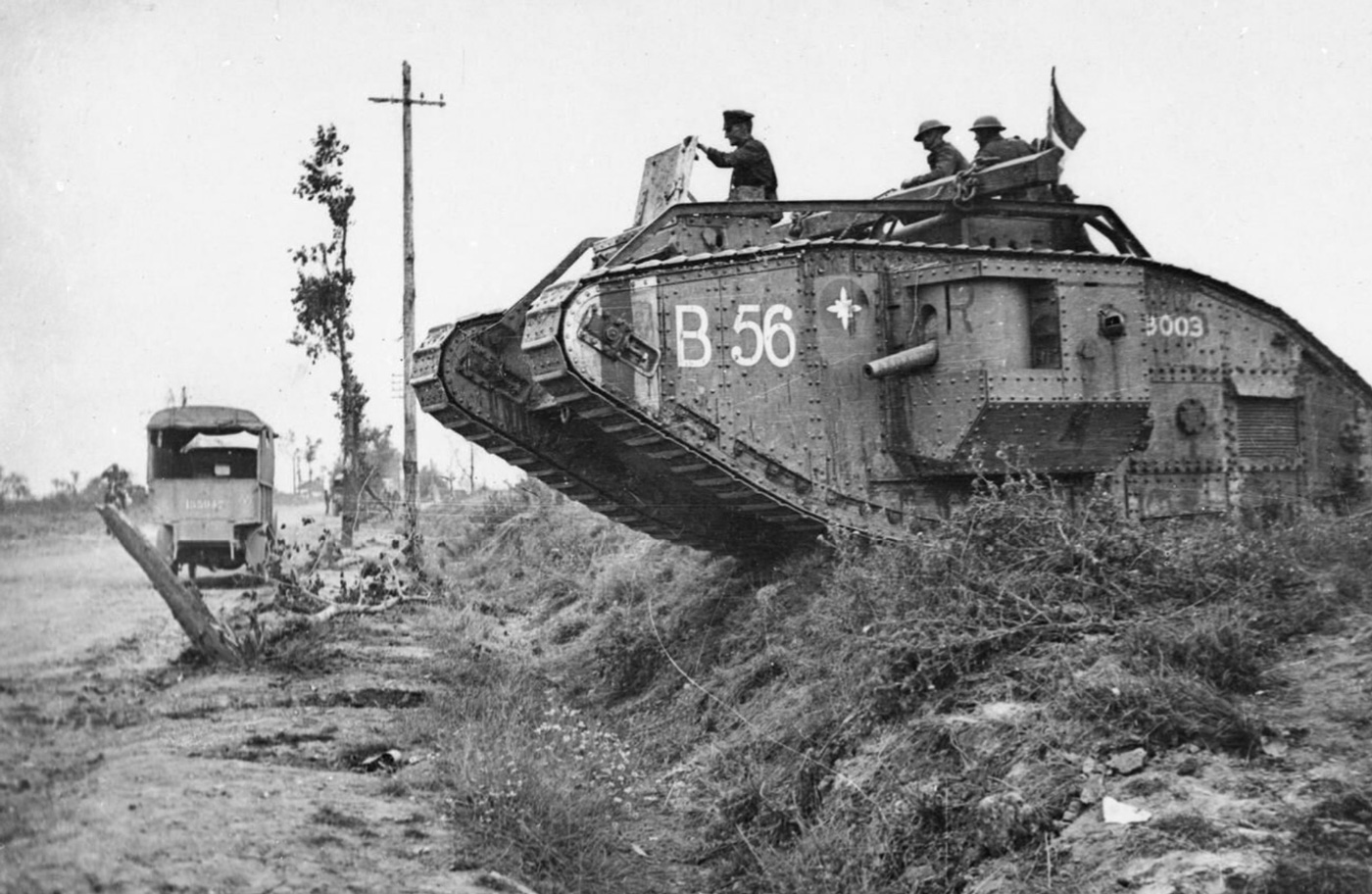
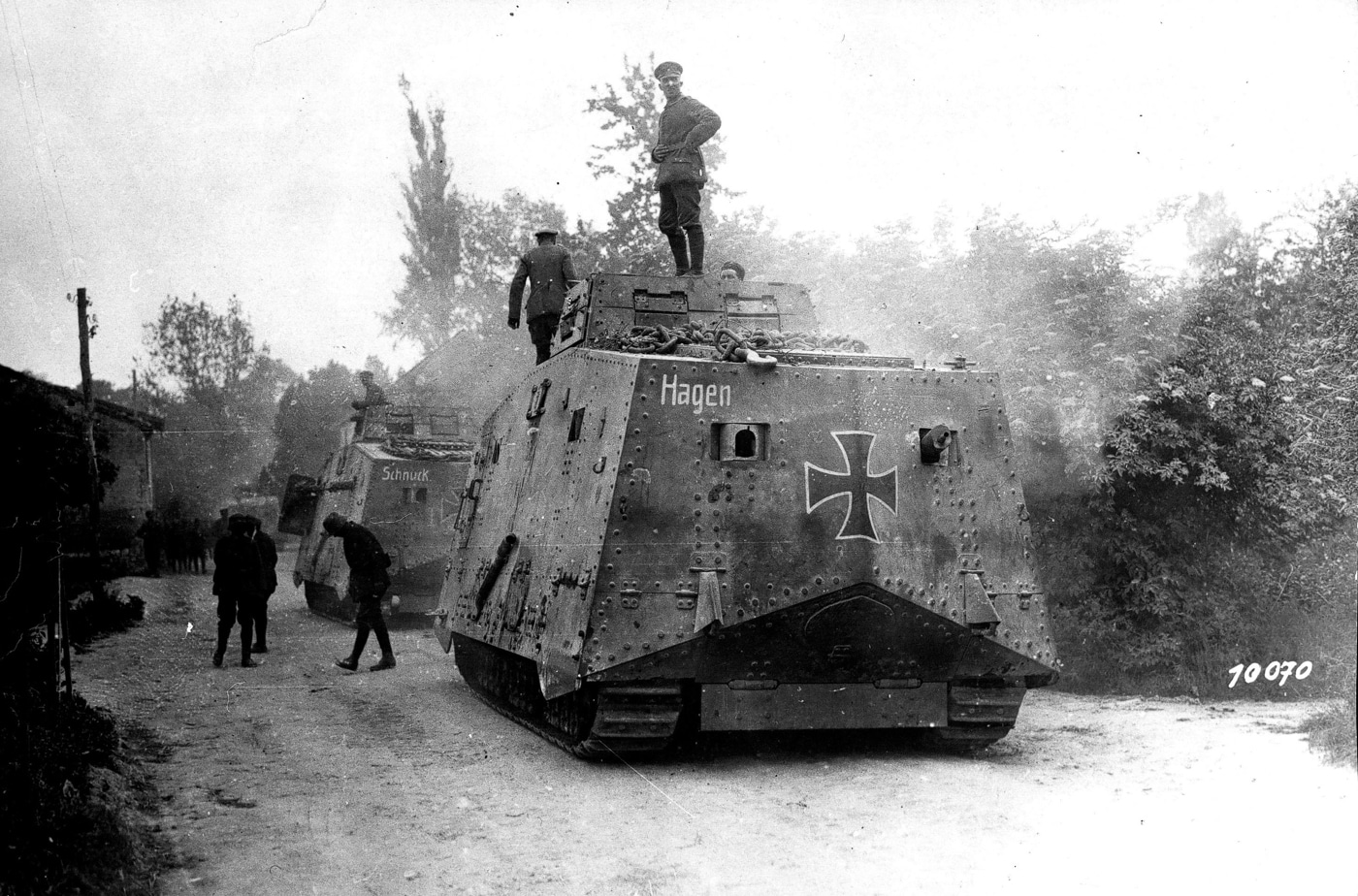
When the first British Mark I tanks lumbered into the mud of the Somme in 1916, their hulls were assembled out of basic boilerplate and mild face-hardened steel pinned together over an iron frame with rivets. It kept out most standard rifle rounds and machine-gun fire, but it introduced one of the original internal tanking threats: spalling. A heavy non-penetrating hit from an artillery shell or anti-tank rifle didn’t have to punch through the outer plate to kill the crew.
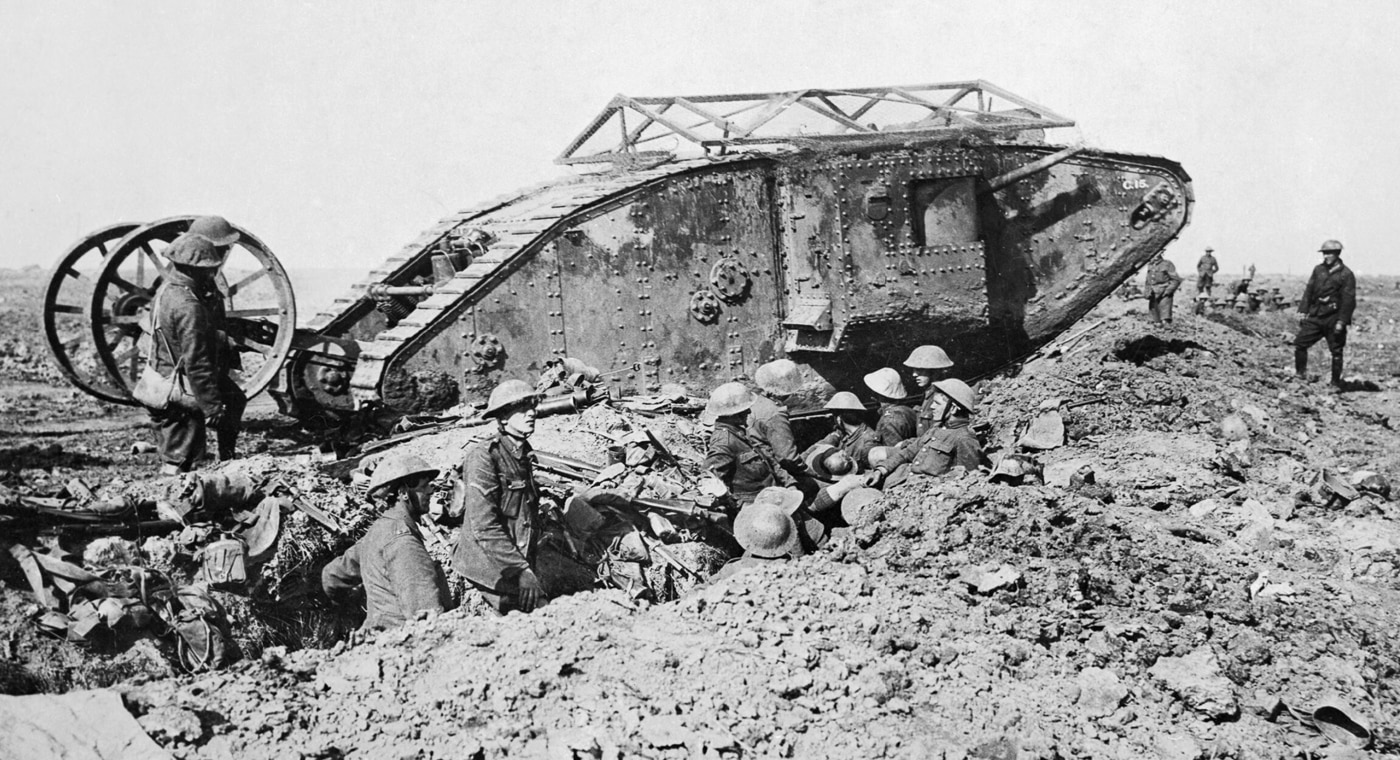
The blunt kinetic shock alone would shear off chunks of the bulkhead or the heads of rivets, turning them into high-velocity shrapnel that pinged off the interior walls like a hand grenade going off in an elevator. Early tankers wore leather and chainmail face masks just to keep from being blinded by their own hull.
By the time World War II kicked off, rivets were on the way out, replaced by thick cast steel turrets and welded “Rolled Homogeneous Armor” (RHA). RHA became the gold standard of defense: solid steel heated, hammered, and rolled between giant mechanical rollers to compress the grain structure into a dense, uniform, ductile plate. If a round hit RHA, the plate absorbed the blow evenly without shattering like brittle cast metal.
Still, raw steel alone had a glaring weight problem. If you made the plates thick enough to stop a high-velocity 88mm shell, the tank turned into an unmaneuverable iron brick.
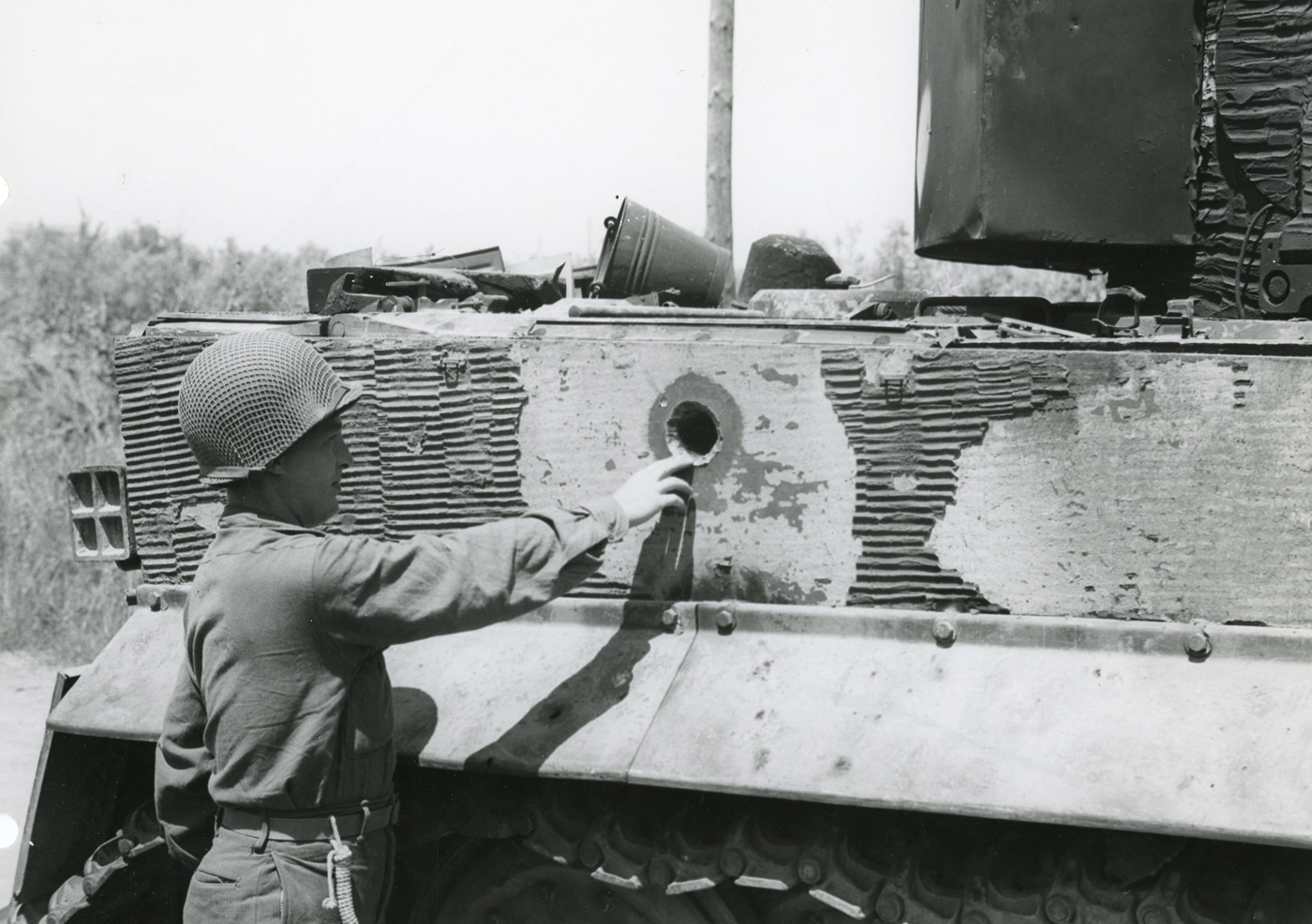
The breakthrough wasn’t a metallurgical miracle or a change in tactics. It was much simpler than that: it was high school trigonometry.
When the Soviet T-34 crashed into the German front lines in 1941, it caught the Wehrmacht flat-footed. Not because its steel was exotic, but because its glacis plate – the front-most section of the hull – was angled at 60 degrees. Sloping armor unlocked two massive tactical advantages for free:
Line-of-Sight Thickness. A 45mm plate sloped at 60 degrees forces an incoming kinetic projectile to bite through roughly 90mm of steel to achieve a perforation. This doubled the effective protection without adding a single ounce of dead weight to the chassis.
Deflection Dynamics. Instead of a blunt projectile transferring 100% of its kinetic energy straight into a flat vertical wall, an aggressive slope redirects that energy horizontally. Blunt-nosed solid shot either ricocheted harmlessly off the glacis plate or snapped under the immense asymmetric shear forces.
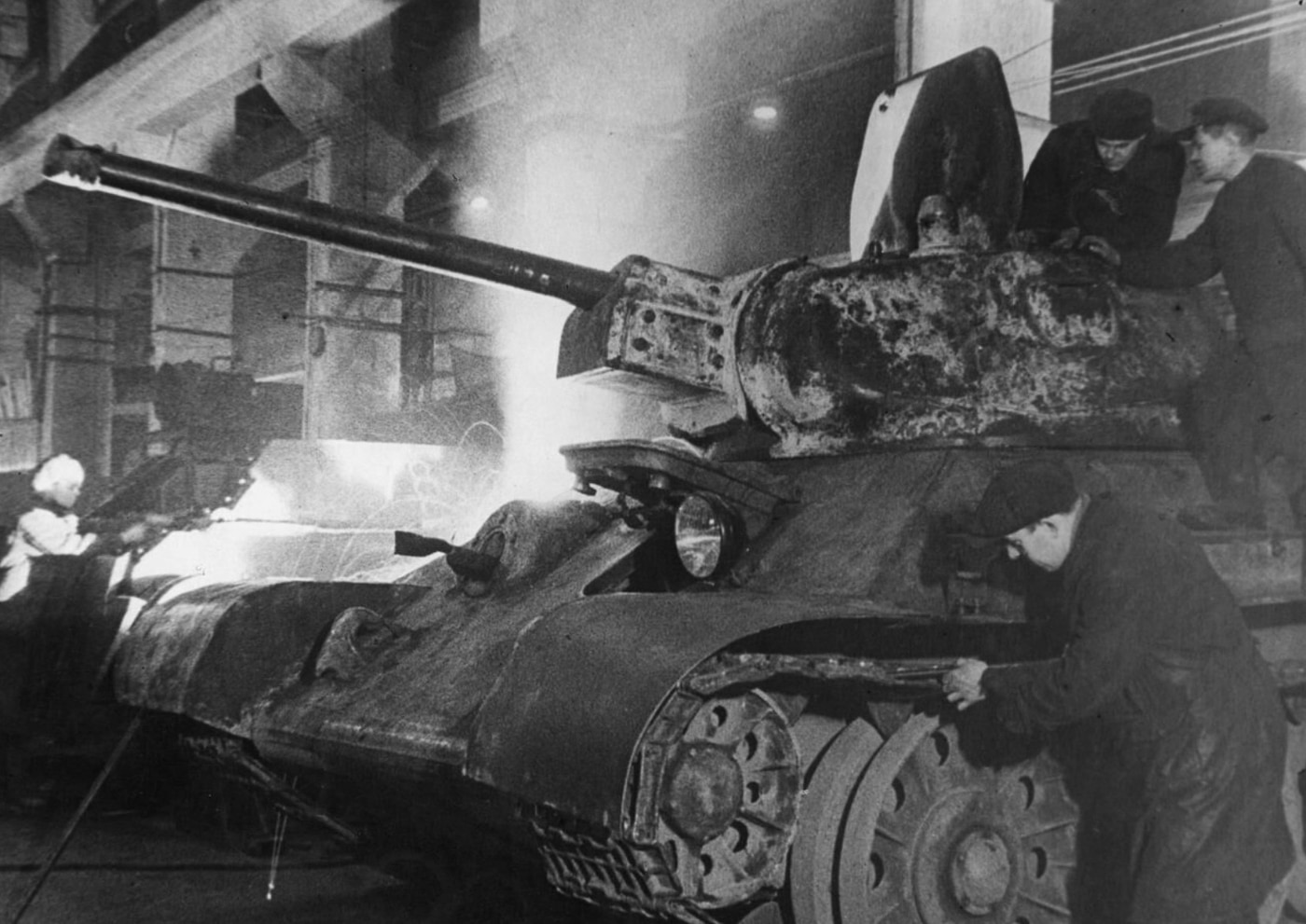
For nearly 30 years, armor design was a simple math problem: slope the plates as aggressively as the driver’s knees could tolerate, thicken the RHA, and build a bigger engine.
Then came the Cold War, and the shaped charge threw that formula right out the window.
The Day Steel Died: The Chemical Crisis
By the late 1950s, the arms race hit a brick wall. Infantrymen were no longer wrestling heavy anti-tank rifles or hoping a satchel charge landed in the right spot. The proliferation of man-portable HEAT weapons were absolute game changers. Late-war bazookas, Panzerfausts and the first iterations of the Soviet RPG-7 contributed to this change. Additionally, the implementation of the first wire-guided Anti-Tank Guided Missiles (ATGMs) changed the math overnight.
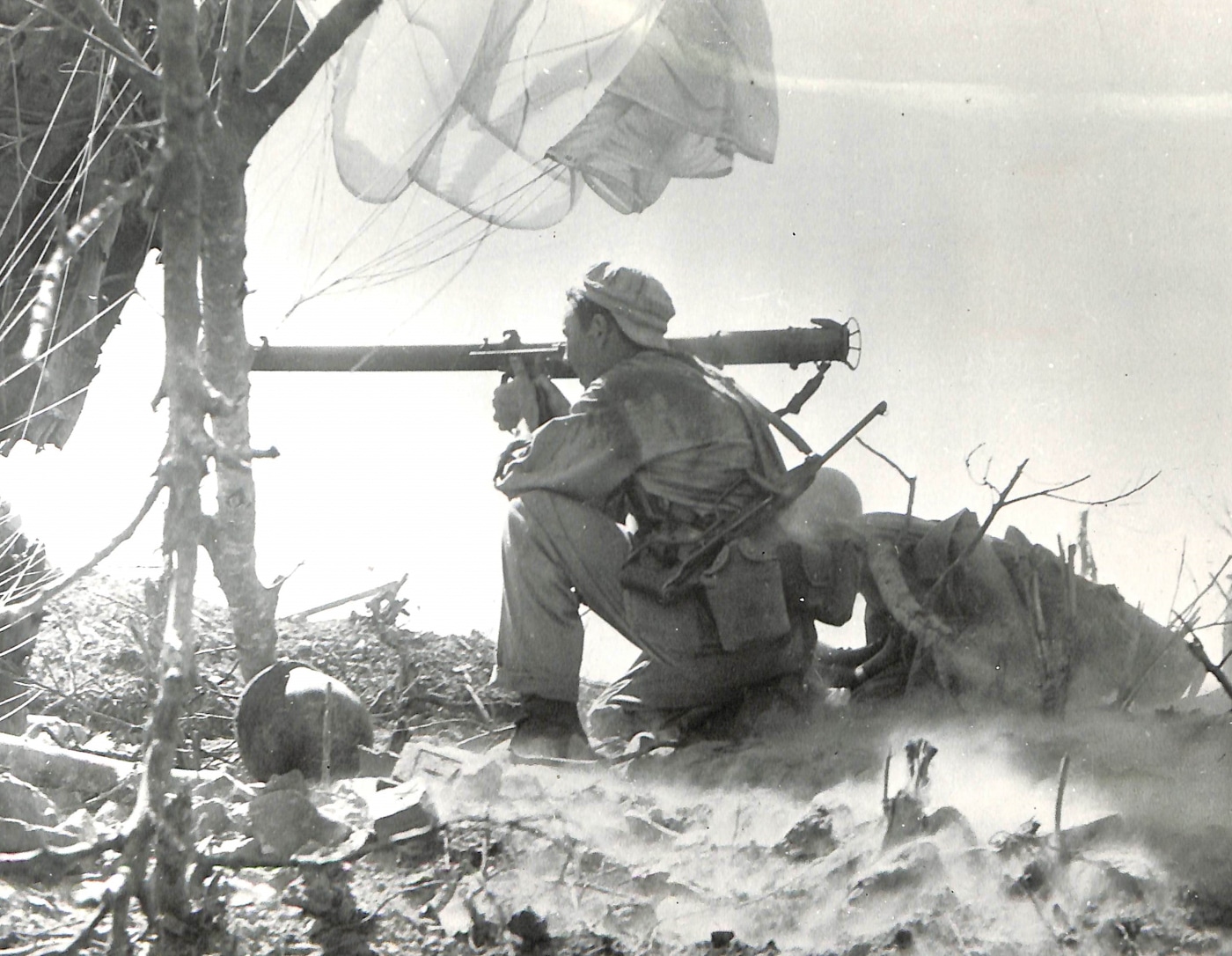
A high-explosive shaped charge doesn’t care about the driver’s knee clearance or the sleek 60-degree slope of an upper glacis plate. Since superplastic copper jets cut through armor via hydrodynamic pressure rather than kinetic momentum, sloping a steel plate does little to stop it.
In reality, it just gave the jet a little bit more metal to burn through, which it was more than capable of doing. To reliably stop a 1960s-era ATGM using pure Rolled Homogeneous Armor, a tank would need front plates over three feet thick. That meant an ~100-ton monstrosity that would instantly collapse every bridge in Central Europe.

For a brief period in the 1960s, designers actually gave up. Tanks like the French AMX-30 and the German Leopard 1 were built with paper-thin steel hulls, meaning they were barely enough to stop heavy machine guns and artillery splinters. The prevailing doctrine was grim: since no amount of practical steel could stop a modern missile, why bother carrying the weight? Speed, optics, and shooting first became the only armor that mattered.

Live The Armory Life. The latest content straight to your inbox plus an automatic entry to each of our monthly gun giveaways!
I have read and agree to the terms & conditions.If heavy armor was going to survive as a concept, designers had to stop trying to catch the punch with thicker steel and start disrupting the physics of the blow before it landed. The earliest, crudest answers were all about one thing: standoff.
The Spaced Armor Gamble
If you detonate a shaped charge early, the focused jet has to travel through dead air before it hits the main hull. The Germans flirted with this in WWII using thin steel side skirts (Schürzen), but Cold War engineers took it further, building hollow, multi-walled turrets. The outer skin triggered the fuse, forcing the copper jet to stretch and lose its tight hydrodynamic coherence in empty air before hitting the base armor.
Slat and Cage Armor
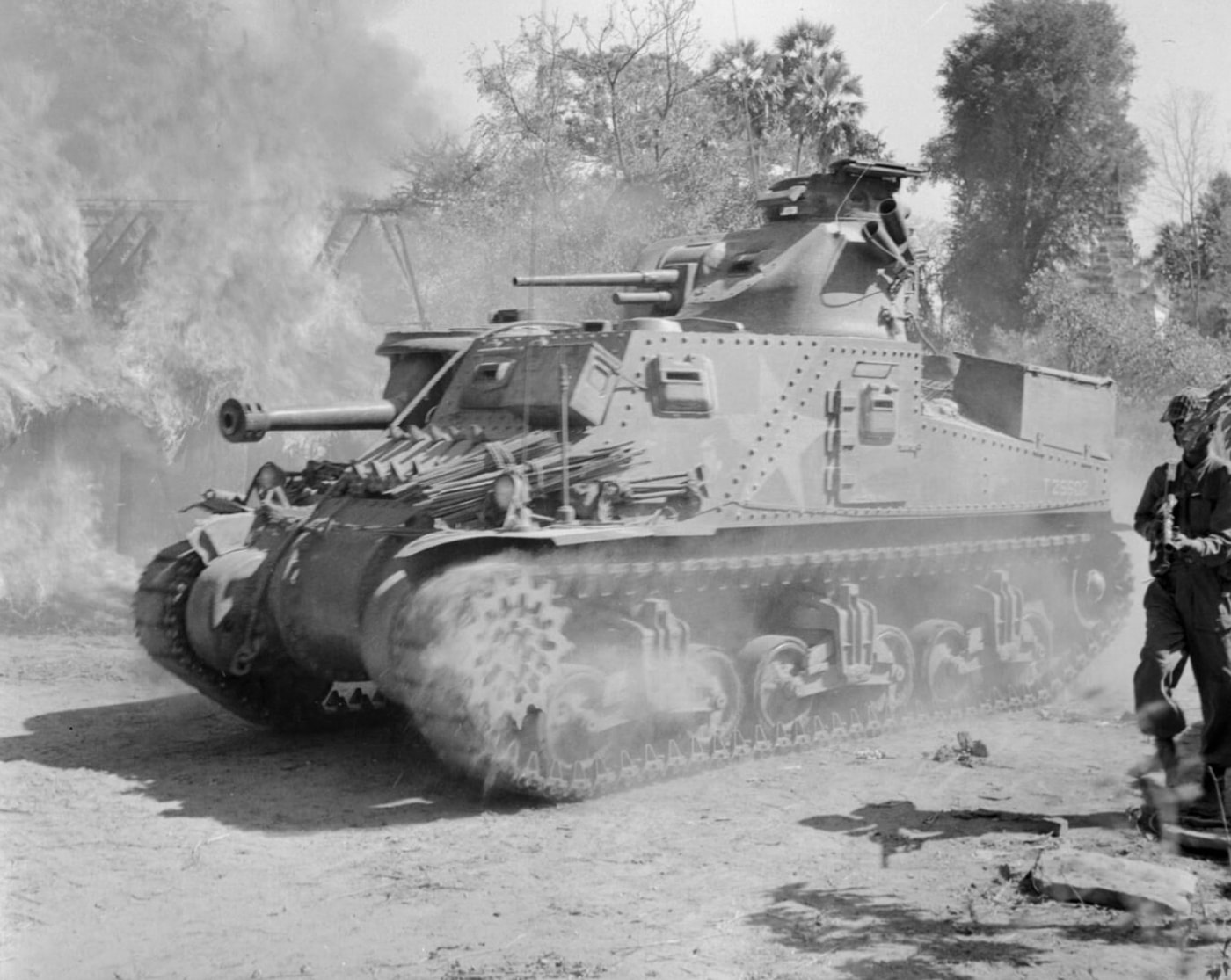
Instead of absorbing the hit, early bar and wire-mesh screens were hung over the vehicle’s vulnerable flanks. The goal wasn’t even to detonate the warhead, instead it was to physically crush the fragile nose-cone fuze of an incoming RPG or pinch the copper cone out of shape between the steel slats, turning a lethal shaped-charge detonation into a harmless dud.
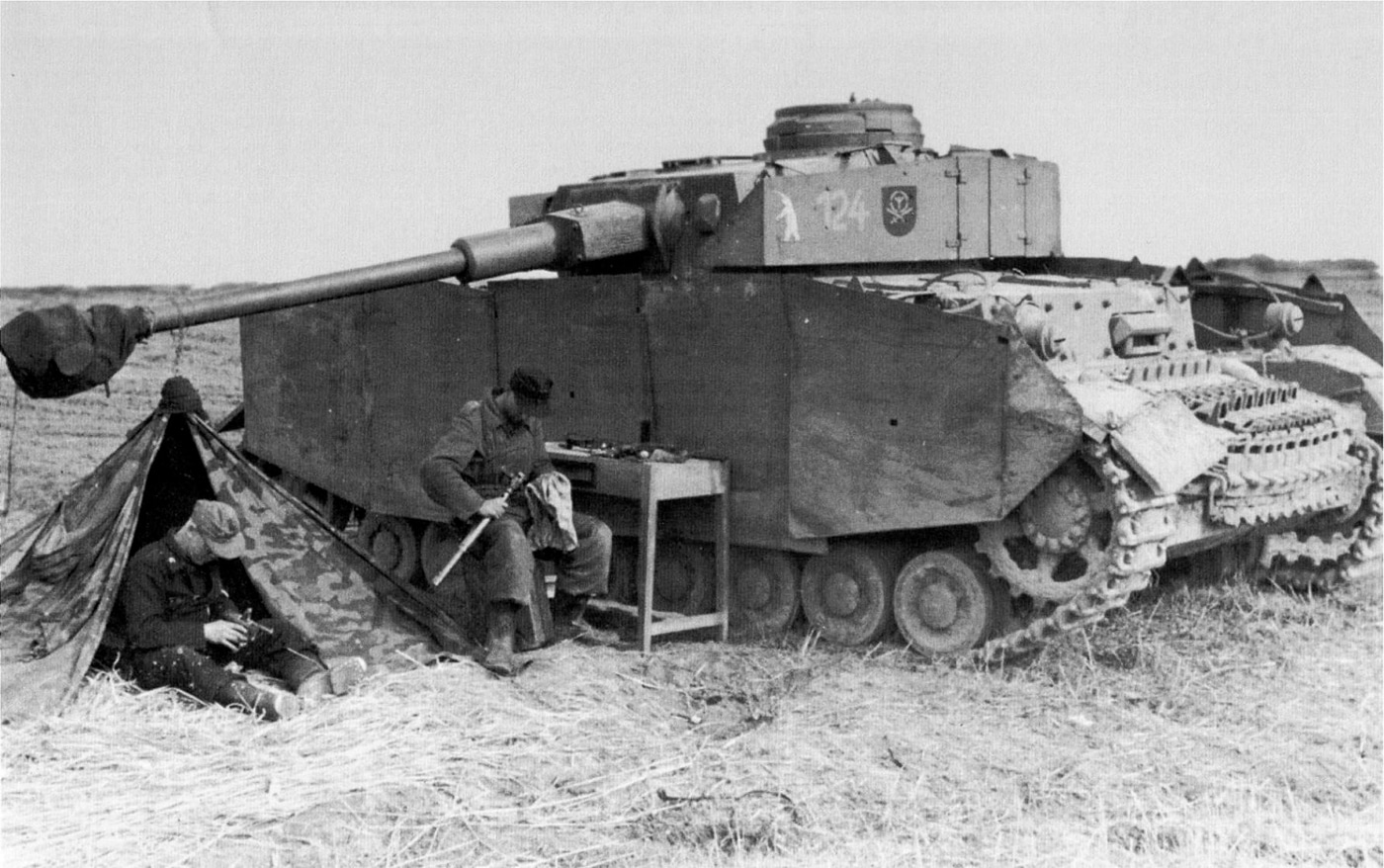
Standoff bought time, but it was a stopgap. Hanging steel cages and hollow sheet metal off a chassis was like taping cardboard over a cracked windshield. To survive the modern battlefield, tanks needed an entirely new class of materials built directly into the hull.
Layered Defense: Ceramics, ERA, and Composites
The breakthrough came when materials scientists finally stopped thinking like blacksmiths. If a single homogeneous block of metal couldn’t handle both hypersonic chemical jets and dense kinetic darts, the solution was to turn the armor into a multi-layered matrix of wildly different materials.
Ceramics and Composite Armor
Developed initially by the British at Chobham and refined into the arrays protecting tanks like the M1 Abrams, Leopard 2, and Challenger, composite armor fundamentally changed how vehicles absorb incoming fire. Behind a high-hardness steel faceplate sits a matrix of ceramic tiles. This matrix often consists of aluminum oxide, silicon carbide, and/or boron carbide, which is then backed by elastomeric polymers and heavy alloy backing plates.
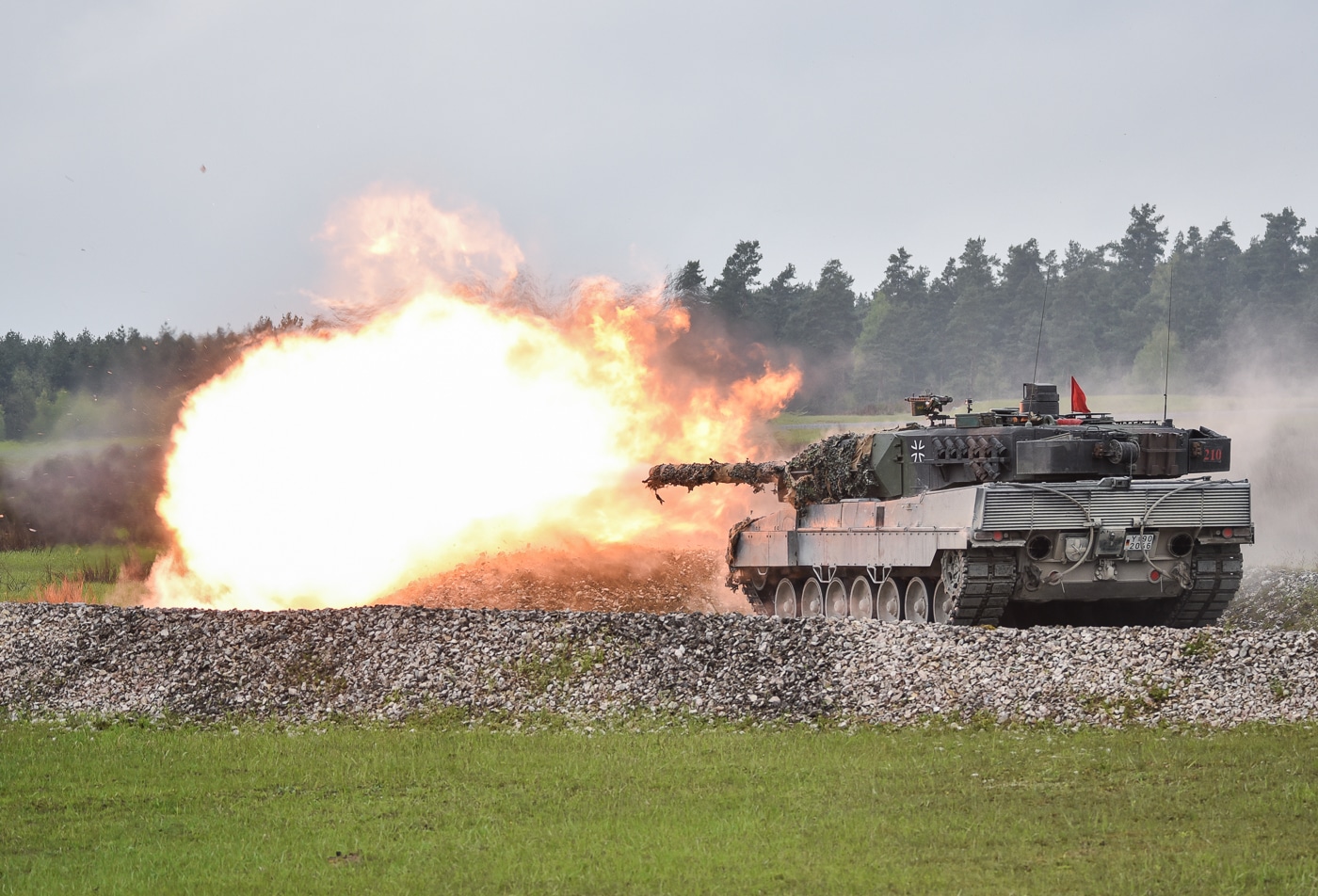
Ceramics do something ductile steel can’t: they break incoming threats through pure hardness and brittle fracture.
- Against a kinetic dart, the ceramic tile is far harder than the tungsten or depleted uranium penetrator. When the rod hits, the ceramic shatters into micro-crystalline powder under massive compressive pressure, grinding down and eroding the nose of the dart while sending shockwaves back up the rod to fracture it.
- Against a HEAT jet, the ceramic blunts the point of the stream, while alternating elastic layers rebound violently, introducing shockwaves that chop the coherent jet of copper into disjointed, ineffective fragments.
Modern Western arrays also incorporate heavy metal inserts, such as depleted uranium or tungsten mesh. These dense layers rest deep within the sandwich and impart extreme asymmetric lateral stress onto incoming sabot rods, snapping the long, brittle darts before they can bite into the crew compartment.
Explosive Reactive Armor (ERA)
While Western tanks relied heavily on massive passive composite blocks, Soviet and Israeli designers turned to active disruption.
An ERA cassette looks like a simple metal box bolted to the exterior hull, but inside sits a layer of high explosive pressed between two steel flyer plates. When the tip of a shaped-charge jet punctures the box, it detonates the explosive core. The blast violently drives the flyer plates outward across the path of the incoming jet.
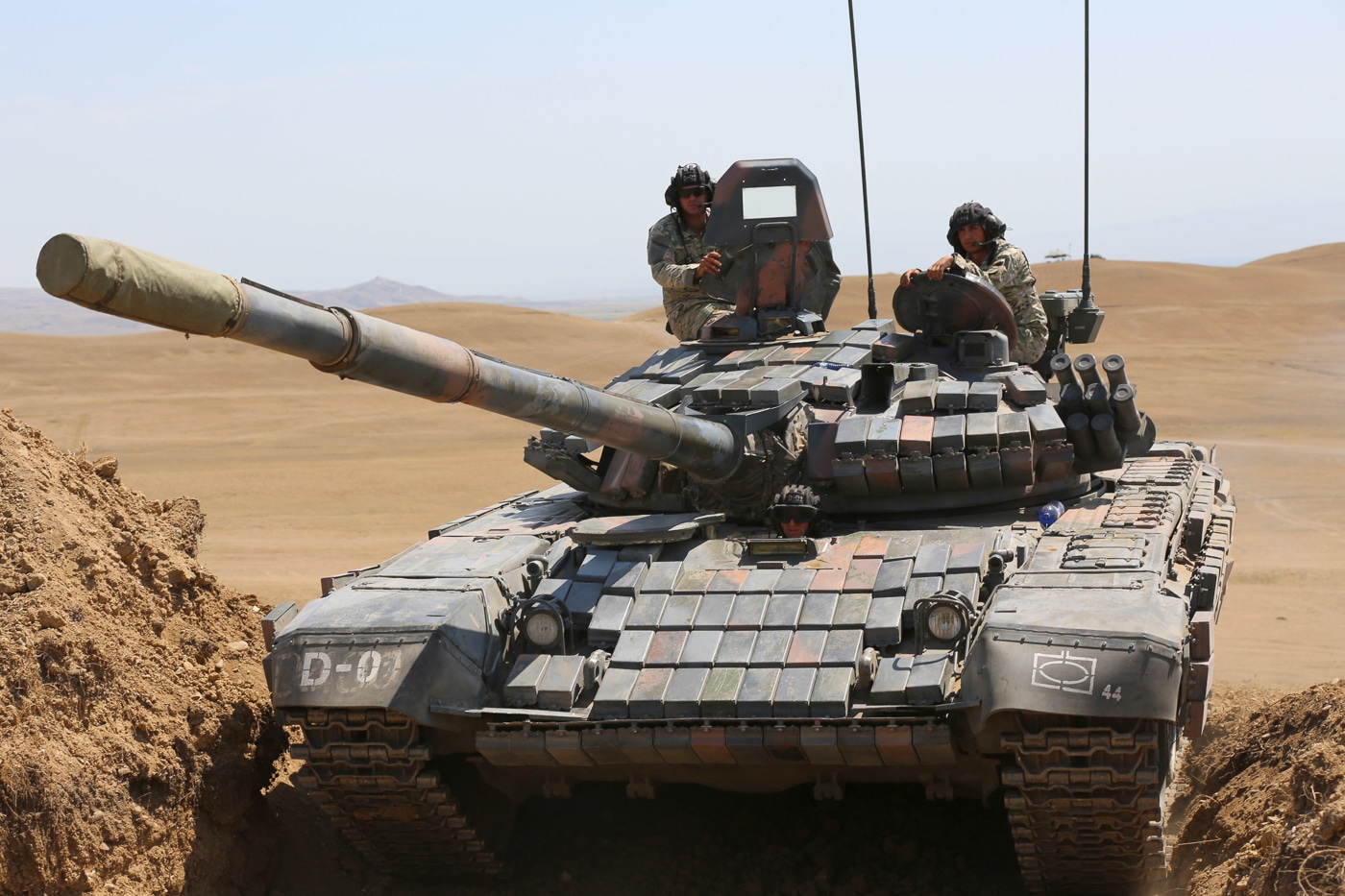
Instead of burning into static armor, the jet is forced to cut through moving steel that is constantly being force fed into its path. This shears the molten stream to pieces and disperses its energy before it touches the primary hull. Modern heavy ERA packages like Russian Kontakt-5 and Relikt use thicker, tempered plates capable of imparting enough lateral shear force to crack heavy kinetic sabot rods in half as well.
Non-Explosive Reactive Armor (NERA)
When tanks operate in close coordination with dismounted infantry, detonating high-explosive ERA blocks on the hull isn’t always safe for the troops outside. NERA replaces the explosive layer with an inert elastomer or rubber sandwiched between metal plates. Under the localized pressure of an impact, the elastomer rapidly bulges, driving the faceplates outward to disrupt the projectile without producing the massive external blast of high explosives.
Spall Liners: The Final Catch-Net
Even when the exterior armor stops a round from penetrating, the blunt kinetic energy traveling through the vehicle can still be fatal. The shockwave can blow jagged shards of steel off the inside wall of the crew compartment, which is as deadly today as it was at the Somme.
To counter this, modern combat vehicles line the interior of the crew compartment with ballistic fabrics like Kevlar or Ultra-High-Molecular-Weight Polyethylene (UHMWPE). The liner acts like a heavy-duty catch-net, absorbing the energy of fractured metal and keeping the crew alive even when the hull takes a massive, non-penetrating blow.
Active Protection: A Localized No-Fly Zone
Even with advanced ceramics, depleted uranium inserts, and reactive cassettes, passive armor has hit an inescapable physical ceiling. A modern main battle tank already tips the scales anywhere from 65 to nearly 75 tons. You cannot keep welding thicker composite blocks onto the roof and flanks to defend against top-attack missiles, loitering munitions, and cheap FPV drones without turning the vehicle into a permanent, bridge-collapsing megaweight. To survive modern anti-armor saturation, protection had to move off the hull and into the air.
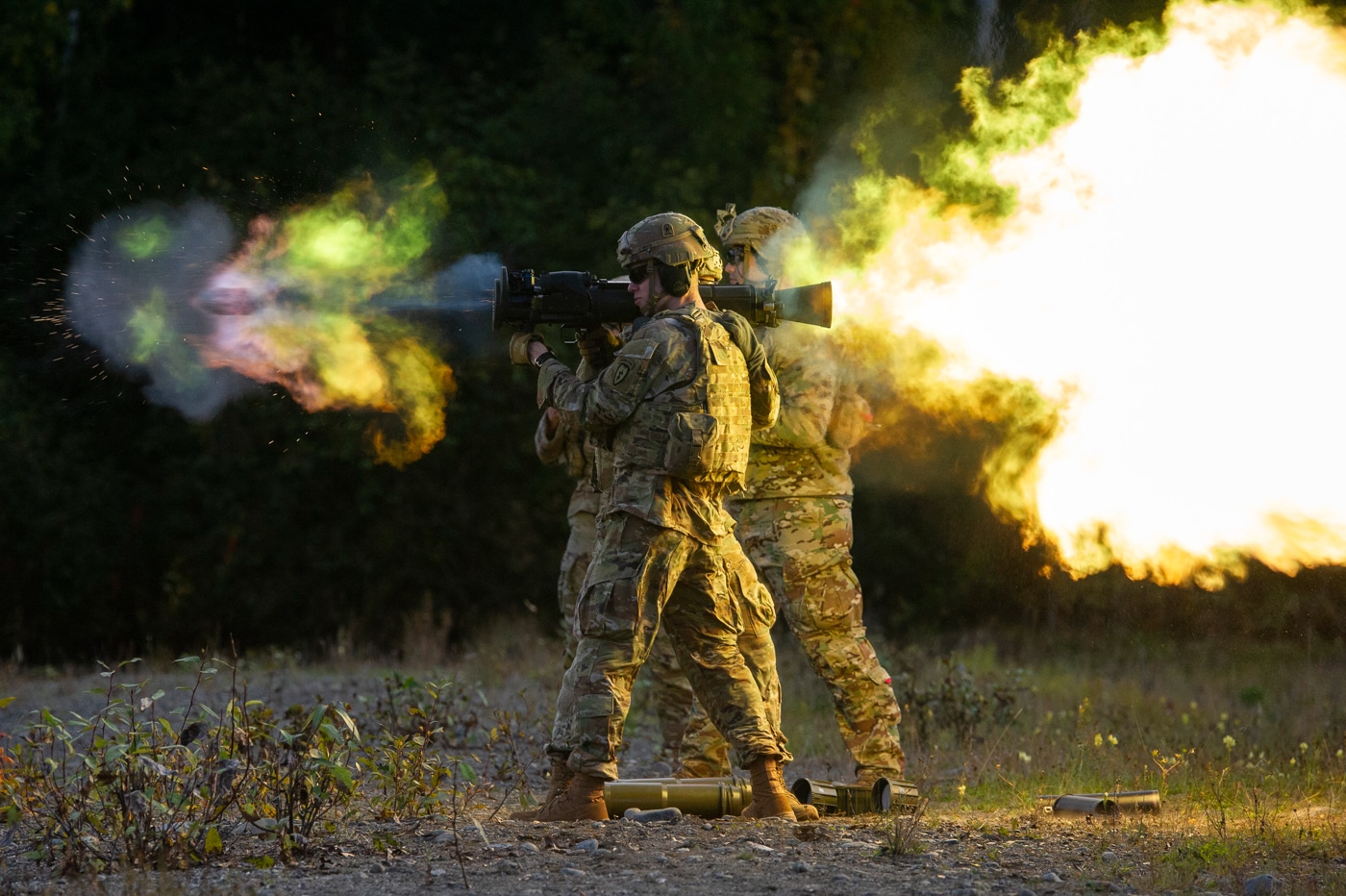
Active Protection Systems (APS) turn the immediate airspace around a tank into an automated defense perimeter, split into two functional approaches: soft-kill and hard-kill.
Soft-Kill: Blinding the Threat
Soft-kill suites break the enemy’s kill chain before a warhead reaches the vehicle. Hull-mounted sensor receivers detect when an enemy laser rangefinder, missile guidance beam, or tracking radar paints the tank. Within milliseconds, the system reacts automatically. It can fire multispectral smoke salvos to blind visual, infrared, and millimeter-wave targeting systems, or activate directional infrared dazzlers to jam the guidance links of incoming missiles. If the missile loses its optical or laser track, it flies wild and buries itself into the dirt somewhere off target.
Hard-Kill: The Close-In Intercept
When an incoming weapon is unguided, or when soft-kill measures aren’t enough, hard-kill systems take over. Systems like Trophy, Iron Fist, and comparable modern platforms turn the fighting vehicle into a miniature surface-to-air intercept battery.
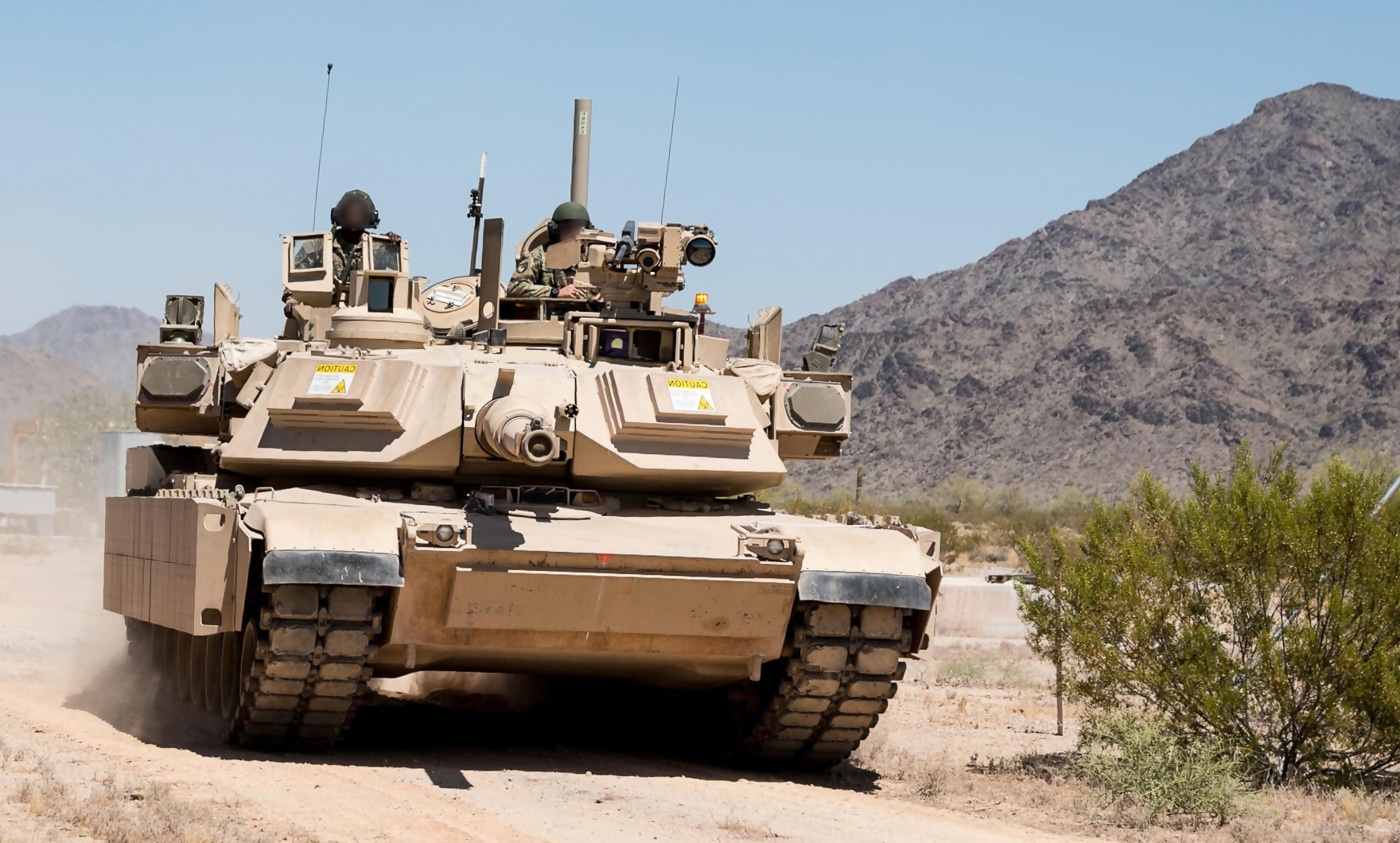
The entire intercept happens in the blink of an eye:
Detection: Small, solid-state radar faces mounted around the turret maintain constant surveillance, scanning for high-velocity projectiles.
Tracking & Calculation: The fire-control processor instantly calculates the threat’s velocity, approach angle, and projected point of impact.
Neutralization: If the computer confirms a guaranteed hit on the vehicle, it slews an external countermeasure launcher and fires. The system discharges a tight, focused pattern of pellets or an explosively formed penetrator directly into the path of the incoming missile or rocket, detonating the warhead in mid-air several yards before it touches the vehicle.
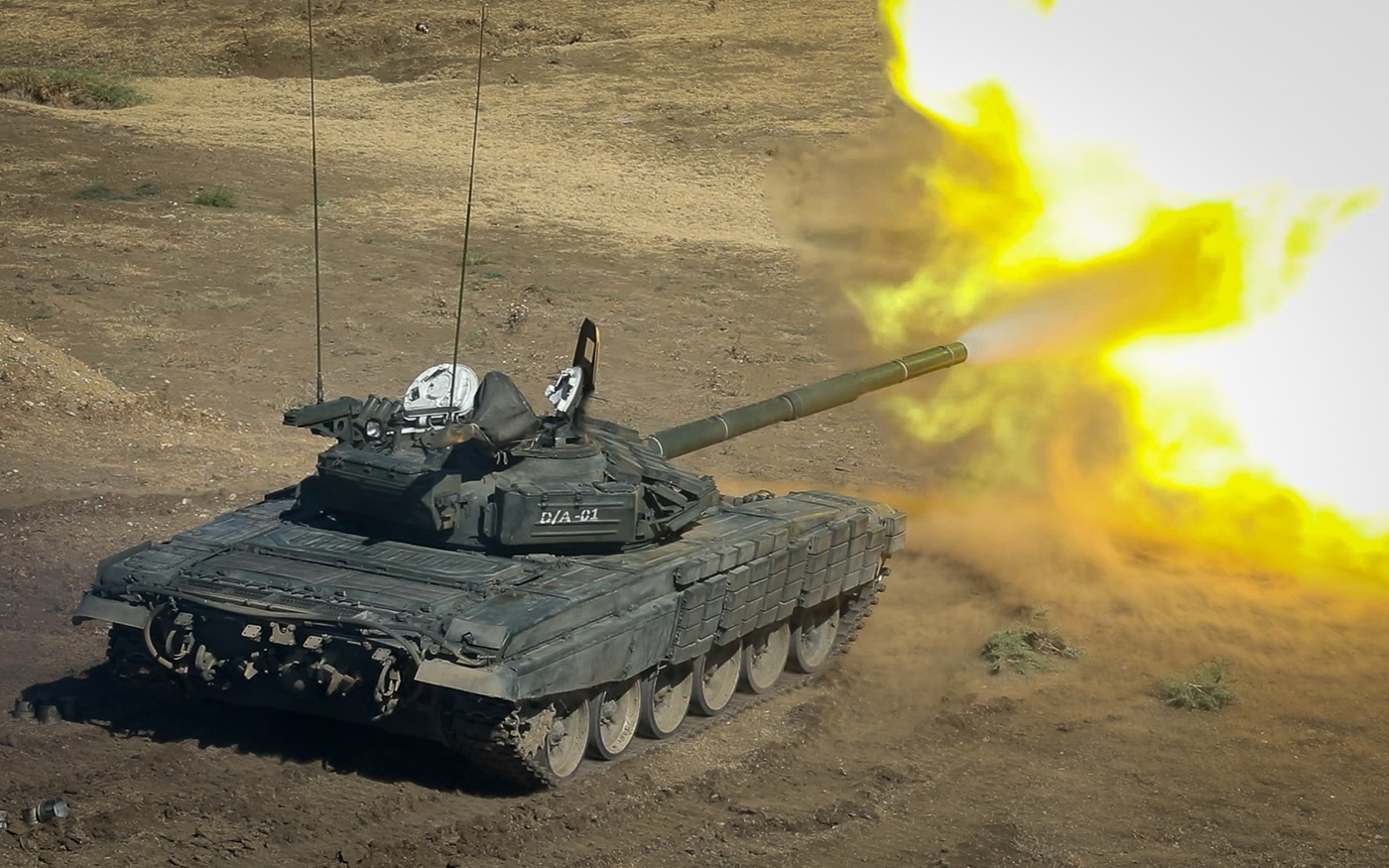
Hard-kill defense isn’t a flawless silver bullet. It throws high-speed fragmentation that poses real risks to dismounted infantry operating nearby, it draws significant electrical power, and intercepting a hypersonic sabot dart remains an extreme engineering challenge compared to stopping a subsonic missile. However, on a battlefield where top-attack weapons target the thinnest sheet metal on a multi-million-dollar platform, creating that localized no-fly zone is no longer optional.
The Final Verdict: Where the Armor Stands
It’s been over a century since riveted plate behemoths first clattered across the mud of France. While the technology has advanced, the fundamental reality of armored combat has not shifted an inch. Tanks remain perpetually locked in a wrestling match between gross vehicle weight, tactical mobility, and the brutal physics of keeping soft squishy human beings breathing inside the steel sarcophagus.
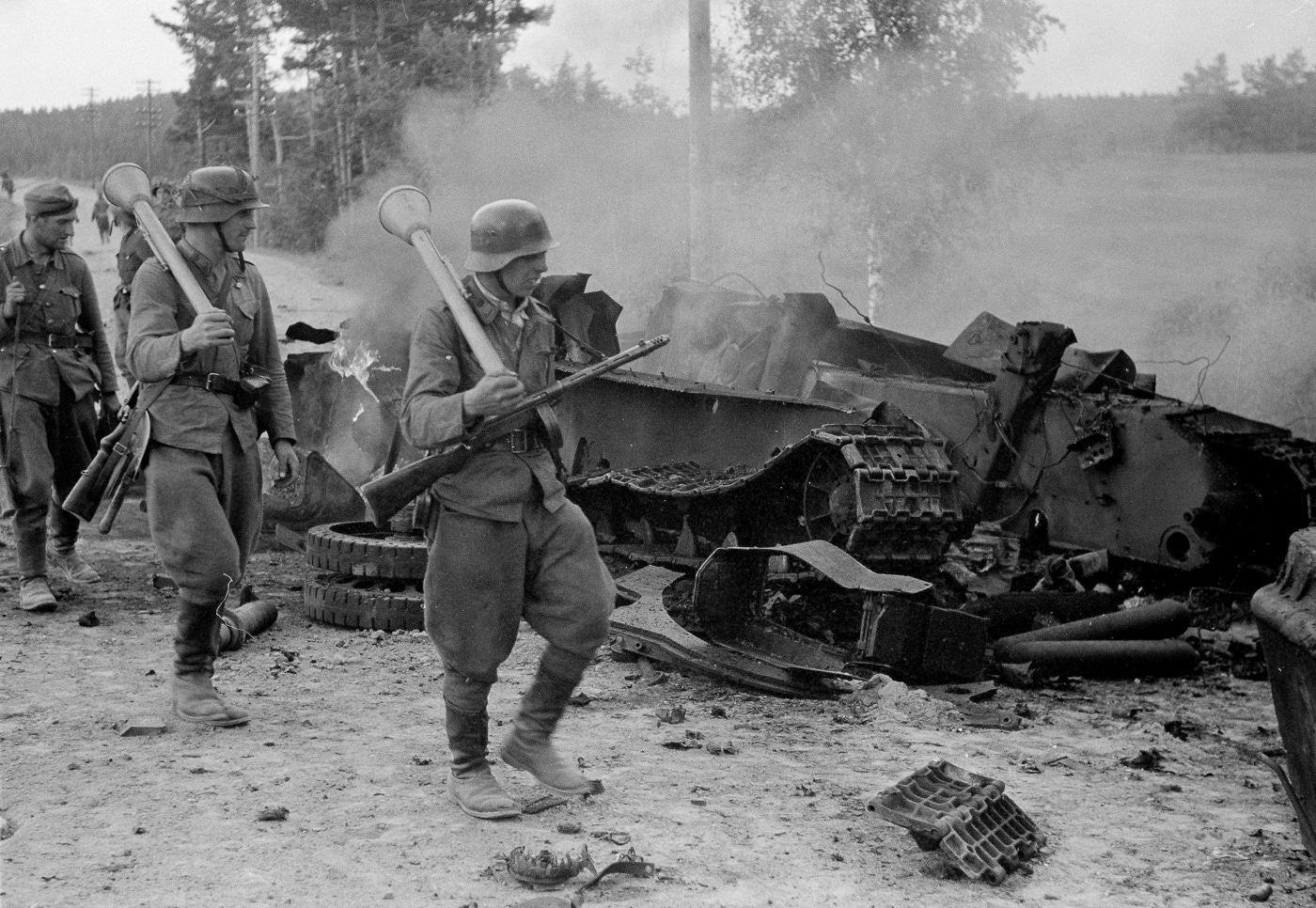
The difference now is that survival is no longer about sitting passively and waiting to absorb the blow. Modern vehicle protection has evolved into a violent, coordinated system of systems. A modern tank doesn’t survive by simply taking the punch anymore. It survives by ruining the round before it lands. It fights back before the hull ever has to yield.
Ultimately, all those high-tech layers exist for one reason: trust. When a crew knows the machine can take a licking and keep on ticking, they don’t fight scared. That confidence lets them stay on the guns, push the tempo, and do the one thing that actually wins the fight: being violent and lethal downrange.
Editor’s Note: Please be sure to check out The Armory Life Forum, where you can comment about our daily articles, as well as just talk guns and gear. Click the “Go To Forum Thread” link below to jump in and discuss this article and much more!
The post How Tank Armor Really Works appeared first on The Armory Life.