Impact Velocity, Not Energy, Is What Hunters Should Pay Attention To
When I was a kid, and in the preceding decades, a hunter’s maximum effective or ethical shooting distance was determined by their ability to simply hit the target. With the tools of the day, that meant flat-shooting, fast cartridges gave hunters potentially longer effective ranges. Eventually, in the effort to more accurately predict effective distance and reduce the risk of wounding loss, we began to combine the raw potential to hit the vitals of the animal with an estimated kinetic energy value at that distance. Various formulas and guidelines for minimum effective KE values have been pressed out to the masses.
For example, some outdoor writers have recommended a minimum of 1,500 foot-pounds of energy for an elk. But as we’ve developed better tools for rangefinding, measuring velocity, and mapping bullet-drag profiles, impact velocity has become the top consideration for predicting terminal ballistic performance.
The Evolution of Predicting Terminal Performance
As our rifles, bullets, and shooting gear have evolved, hunters have done their best to make accurate predictions of their effective range. For a long time, the limiting factor was simply whether or not you could realistically hit an animal in the vitals with your gear. This drove development of faster, “flatter-shooting” cartridges which offered some forgiveness in trajectory and range estimation.
As rangefinders and personal chronographs became more common and optics improved, shooting accurately at distances beyond 300 yards became more common, too. And, in an effort to ensure that our bullets packed enough punch at distance, we used ballistic coefficients to estimate retained energy along with estimates on how much energy was necessary to kill our quarry reliably. Hunters have been working out similar formulas for a long time — all with the goal of being more effective and, consequently, more ethical. One example is the Taylor Knockout Formula, which essentially calculates a bullet’s momentum and factors in bullet diameter.
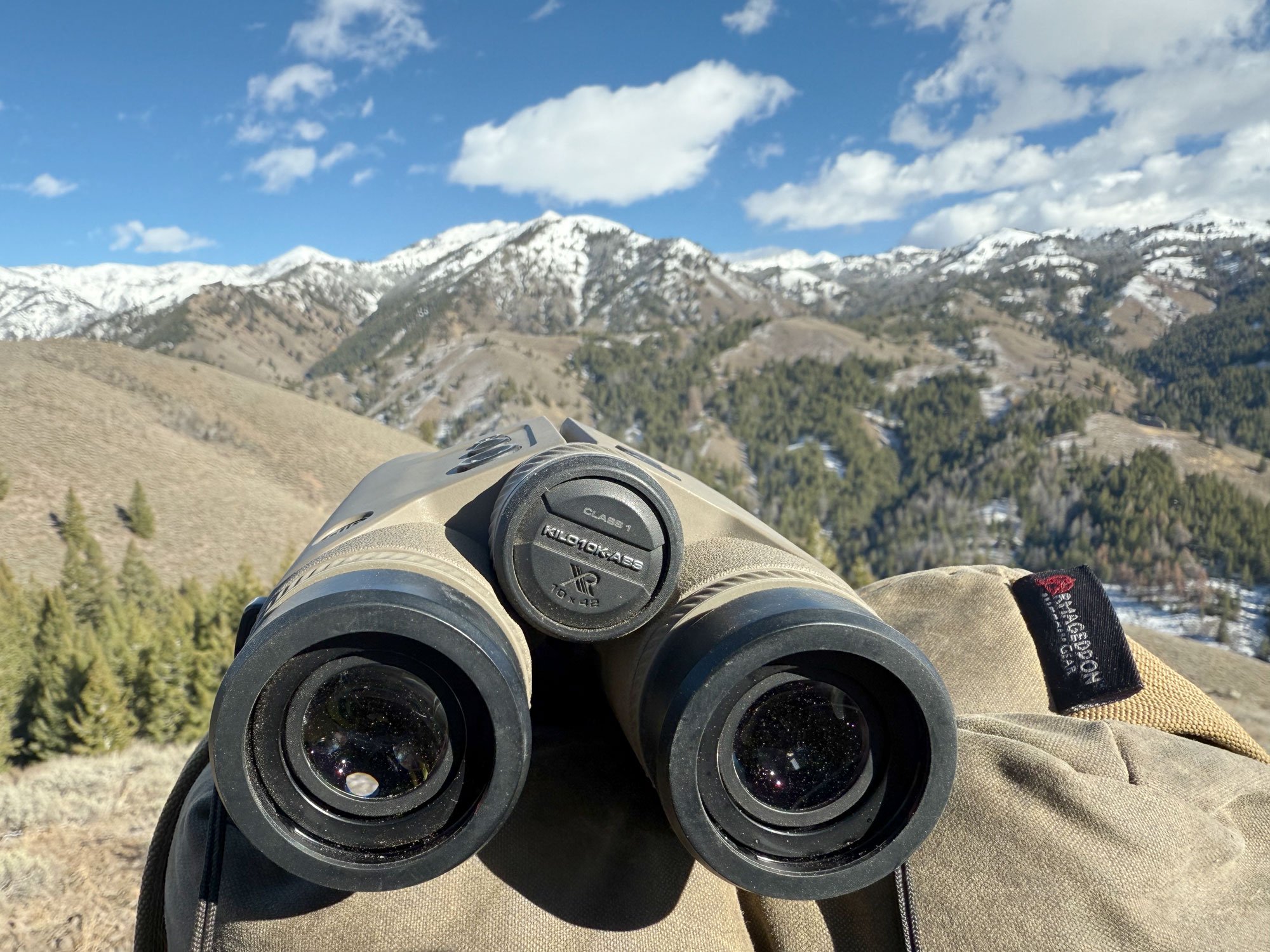
In the last decade our gear has improved even more dramatically. We have superbly shootable rifle platforms and chronographs that are utterly reliable. Bullet manufacturers have the tools to precisely map out drag profiles for their bullets — not just rely on a G1 or G7 ballistic coefficient — a value that changes depending on the projectile’s velocity at a given moment. Couple that with excellent rangefinders with onboard ballistics and environmental sensors, and we have what we need to make very precise shots at distances beyond what was realistic only a decade or two ago.
Being able to reliably hit your target is still of the utmost importance when figuring out your effective or ethical range. But we’ve progressed to the point where we can account for trajectory, and downrange kinetic energy doesn’t mean much. The biggest predictor is the impact velocity and what a particular bullet will do at that velocity.
Why Kinetic Energy And Other Formulas Are Misleading
Kinetic energy has been, and still is, a calculated value that causes hunters to swoon in favor of bigger and faster cartridges. The problem is that KE alone doesn’t really correlate with the damage a certain cartridge will produce or its effectiveness at killing game. Similarly, Taylor’s formula might work well if we’re talking about brain-shooting elephants with minimally-expanding or solid bullets. But it isn’t useful for a wider variety of game, shots, or with bullets that instantly change diameter when they strike an animal. Those are much less predictable. Even the usefulness of sectional density as a predictor is debatable because the sectional density of an expanding bullet changes as soon as it impacts flesh and begins opening up.

Because no two bullet wounds are exactly alike, and each situation is unique, there isn’t a universal tool to predict exactly what will happen. Energy values and formulas have been a “best effort,” and aren’t bad, but they include a lot of noise that doesn’t contribute to our understanding. Many hunters will pick a combination with higher energy than another option, thinking it gives them an advantage. If you’re not considering things like bullet construction and terminal behavior, and the game you’re shooting, you can wind up with a setup that actually creates a less-substantial wound cavity than a different combo with less energy at impact.
Considering Impact Velocity with Bullet Construction Is Today’s Best Practice
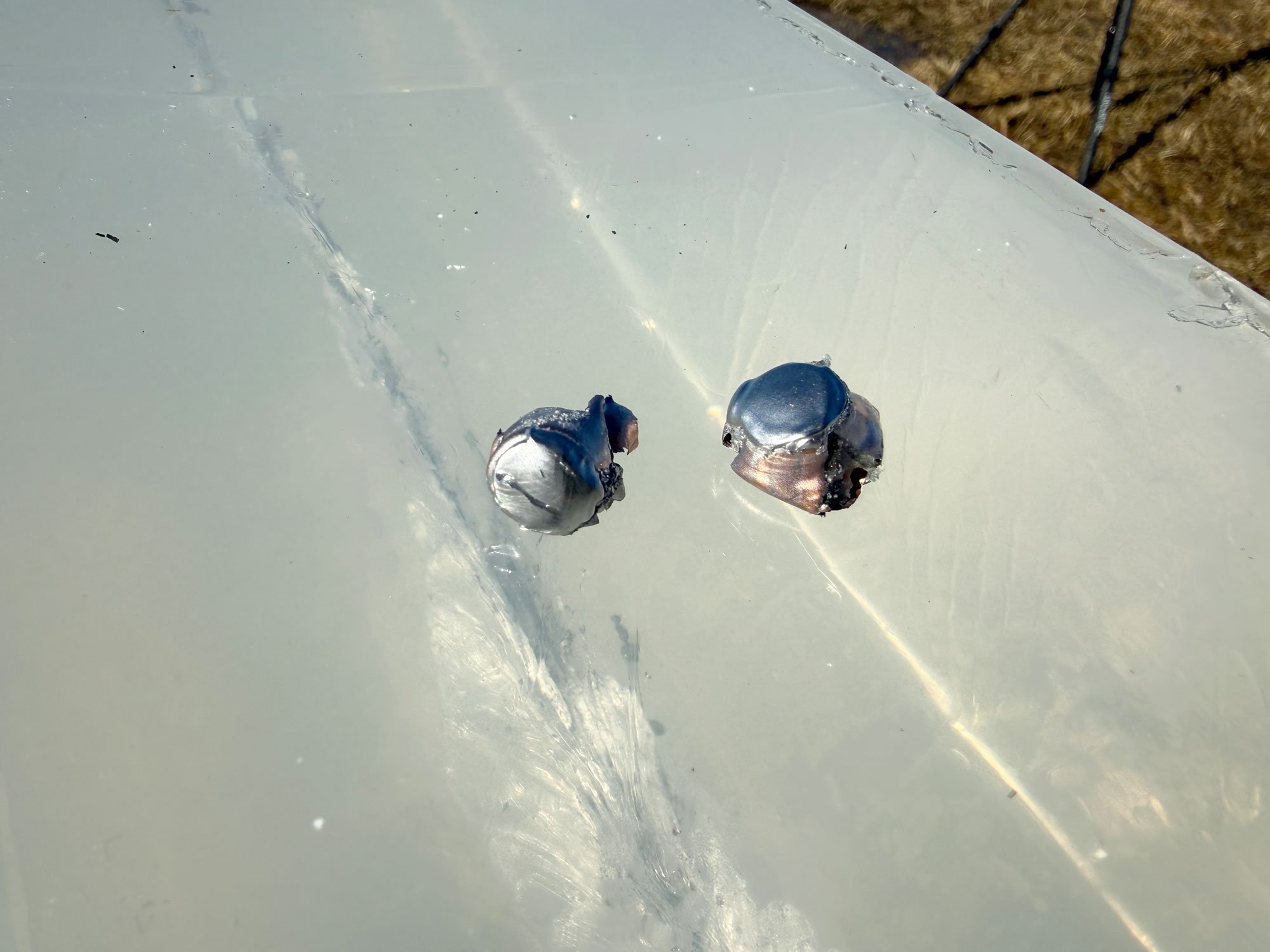
We still don’t have a perfect way to predict what will happen when our bullet strikes an animal. But because our tools have become better and more precise, we are seeing many hunters focus on impact velocity as a primary factor in their bullet’s effectiveness at distance. We can accurately predict a bullet’s impact velocity at a given distance and condition, and don’t have to rely on the velocities printed on the box. Many contemporary hunting bullets are also tested to determine their behavior at any given speed, so you generally know exactly what to expect — and when a shot is too far.
When a bullet strikes with a velocity between its maximum and minimum design limits, the terminal effectiveness doesn’t vary much. A softer bullet traveling way above its maximum design limit can result in less penetration, while a bullet impacting at too slow of a speed might not expand enough to cause an effective amount of trauma.
A good practice for supersonic rifle cartridges is to keep your impact velocities at 2000 fps or above.
There are certainly bullets — especially cup-and-core style — that will work adequately below that, but generally any hunting bullet will function well and do a lot of damage at that speed. A ballistician once told me that in his testing, 2000 fps seemed to be the threshold at which terminal effects became significantly more dramatic. Whether you call this hydrostatic shock, hydraulic effect, or something else, a 2000 fps impact velocity is predictably going to result in the bullet working well.
Astute hunters will point out that the same correlation among similar variables could be seen from combining bullet construction with kinetic energy. This is true, but the mass component doesn’t add much value in predicting terminal performance. Ultimately, it renders down to the velocity component at bullet impact, and how a particular bullet will behave at that velocity.
Takeaways
Considering impact velocity and bullet construction isn’t a universally accurate predictor of what will happen. But right now, it’s the best and simplest way for us to limit ourselves in pursuit of quick and clean harvests.
We can’t always account for every factor, but we can predict how our bullet will generally behave, and the speeds at which it will function. Impact velocity can vary depending on distance, but also on factors like elevation and temperature. It’s especially important for those using shorter barrels. For example, an average 6.5 Creedmoor load from an 18- or 20-inch barrel can fall below its effective velocity inside 400 or 500 yards. When this is the case, a hunter might be able to hit the animal, but if the bullet isn’t working properly, or doing the damage it would at 2000 fps, the results might be disappointing.
Read Next: Why Small Cartridges Are So Effective for Big Game
As you’re preparing for hunting season, practice enough to determine your effective distances and how well you can shoot in varying wind conditions. Utilize different positions and do everything you can to improve your marksmanship fundamentals. But don’t forget to take a closer look at your bullets, the speeds they were designed for, and what your impact velocities will be at varying ranges.
The post Impact Velocity, Not Energy, Is What Hunters Should Pay Attention To appeared first on Outdoor Life.