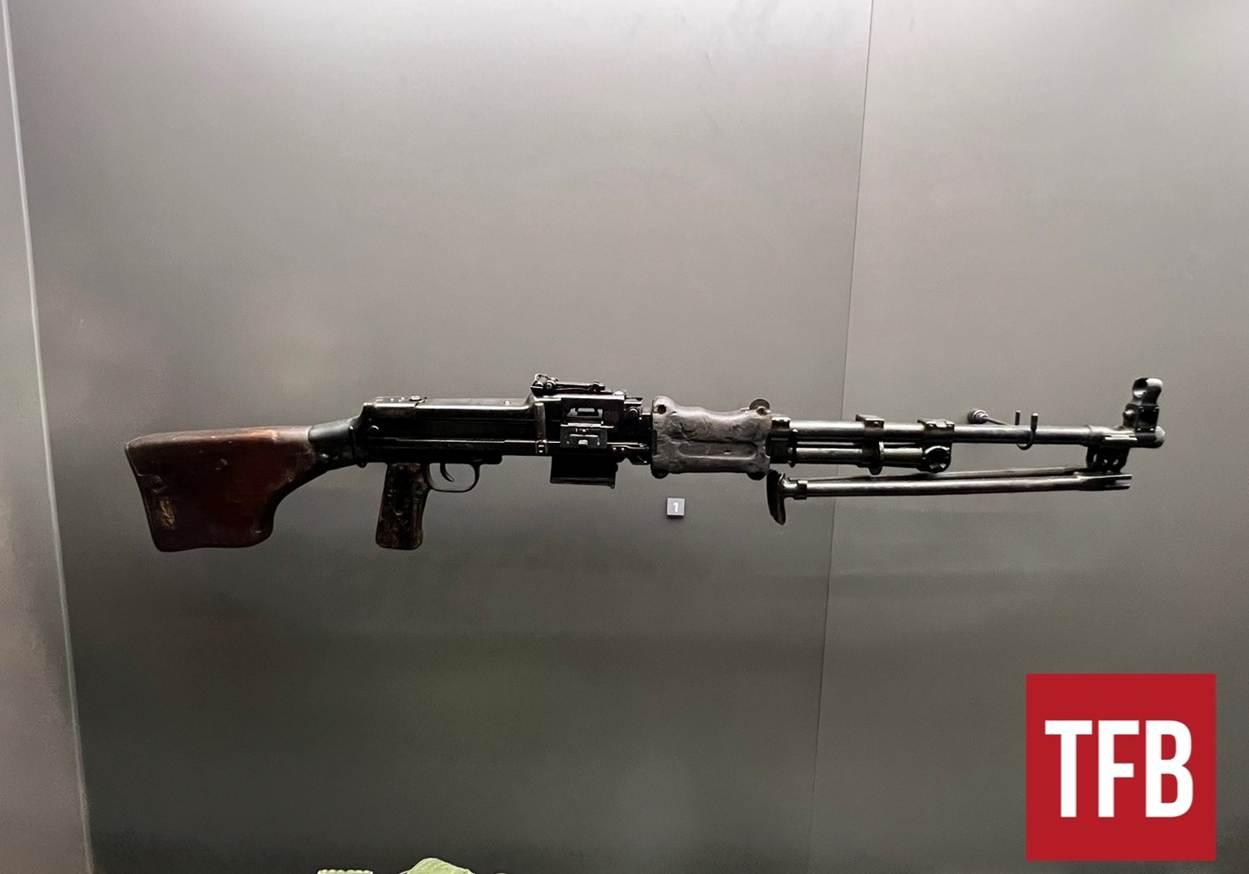
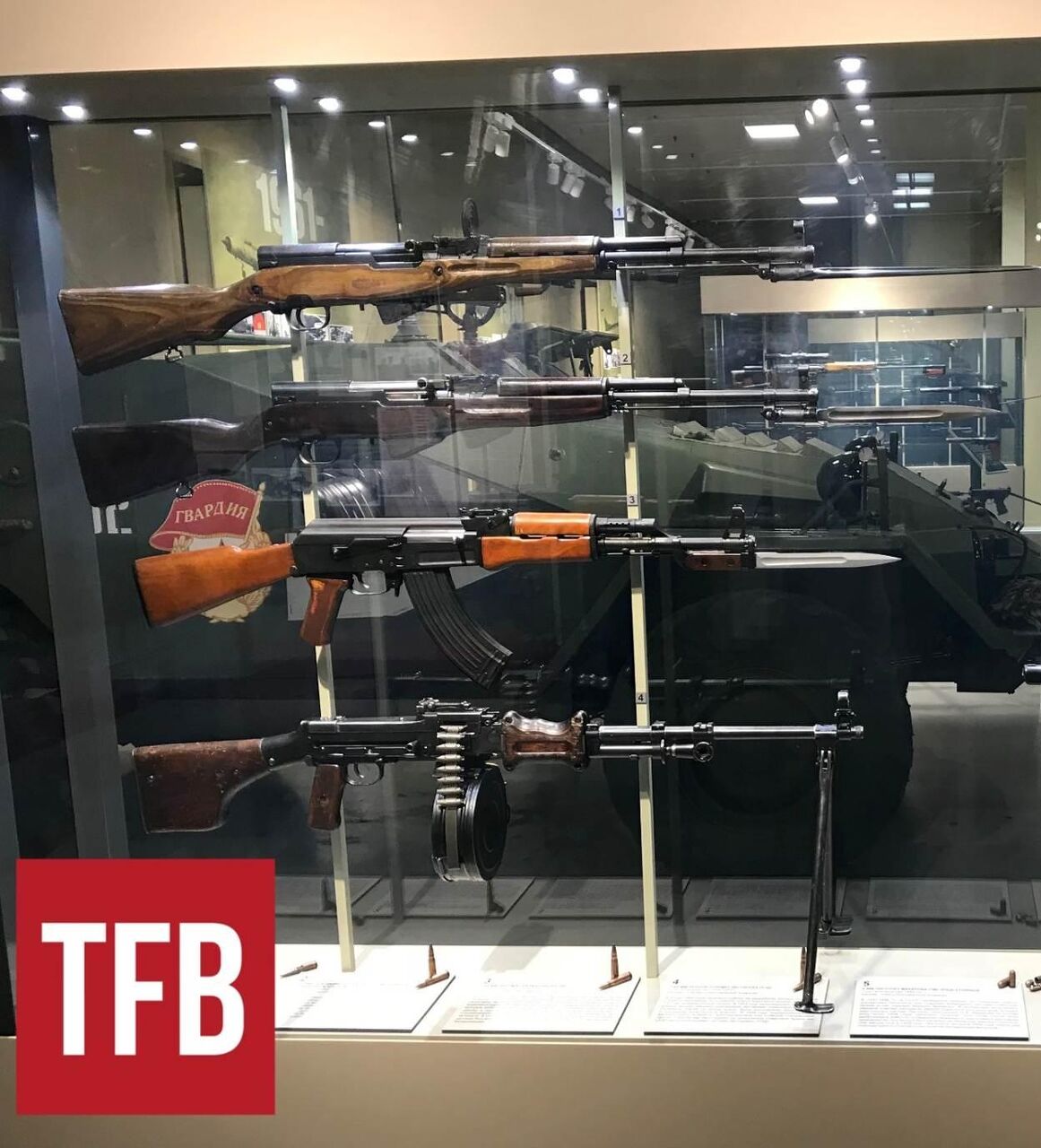
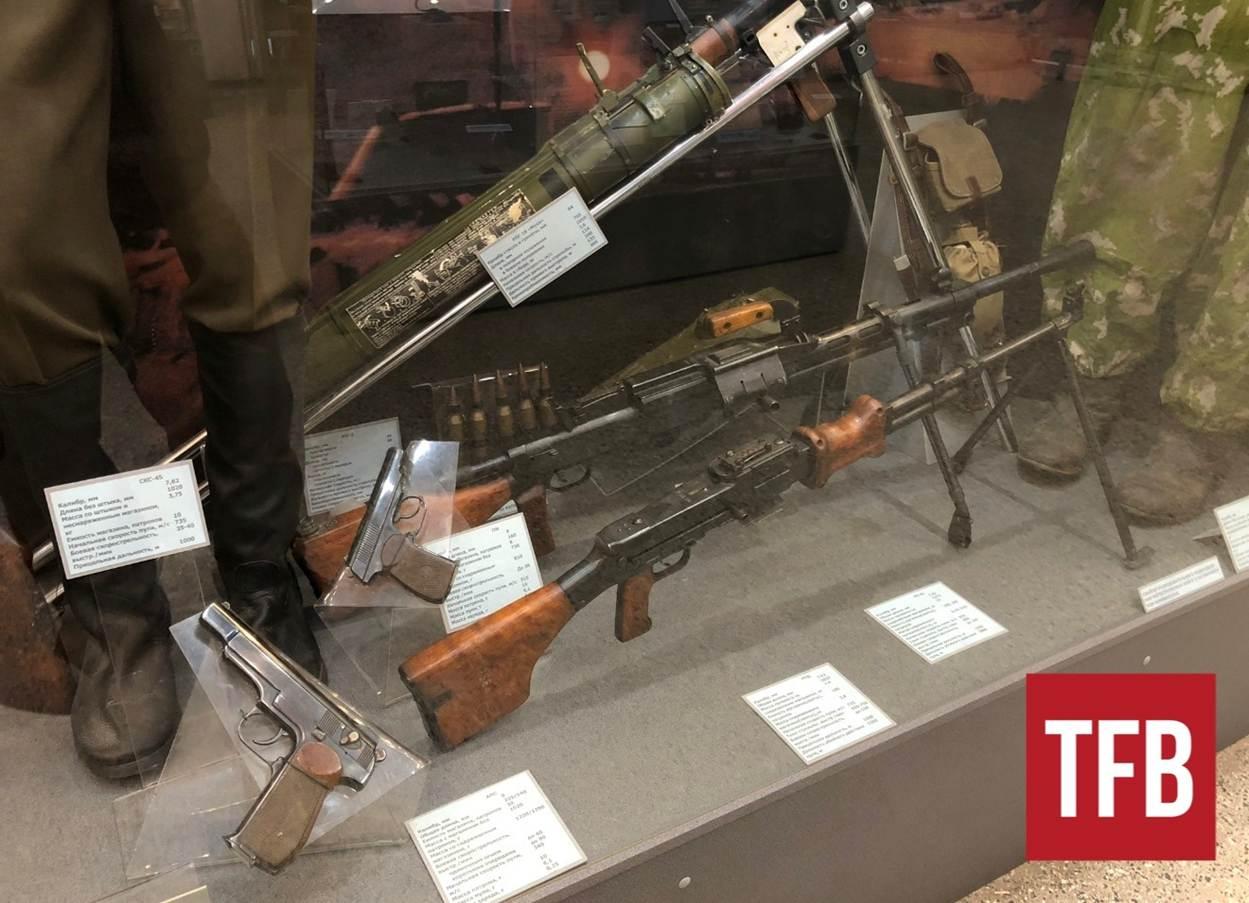
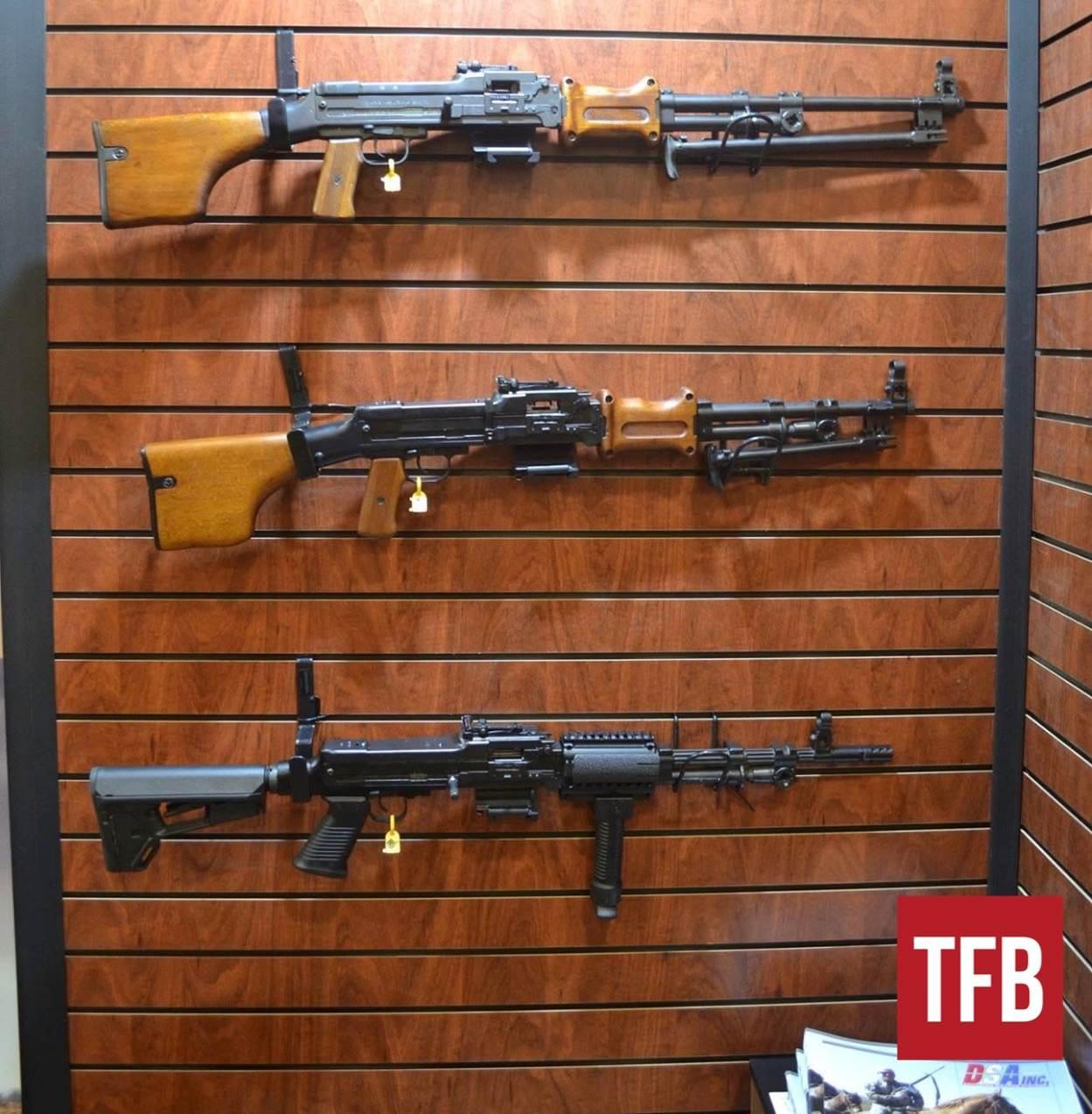
The Soviet RPD (Ruchnoy Pulemyot Degtyaryova) was a pioneering light machine gun that played a short but vital role in early Soviet weapon development and in adopting new intermediate-caliber weapon systems; it was adopted in 1949 alongside the AK and SKS, which significantly influenced the Cold War. It proliferated throughout ComBloc countries, driven by large-scale manufacturing and use, much like the AK and SKS.
However, military technology continued to advance, and Soviet requirements placed on infantry weapons gradually changed. This shifted as the RPK was adopted in 1959, prioritizing parts compatibility over suppressive-fire capability, and the RPD began to phase out in the 1960s. The RPK eventually replaced the RPD in Soviet service, though interest in modernization continued long after its retirement. Modernizing the RPD is not new; over the years, several efforts have tried to update what they had in stock to modern standards.
The Original RPD Design
The RPD was developed in the final years of the Second World War, when Soviet military planners sought a new automatic support weapon to complement the recently developed 7.62x39mm intermediate cartridge following the German 7.92x33 introduction during the war.
Unlike traditional rifle-caliber machine guns, the RPD was designed around a cartridge that balanced the power of full-size rifle ammunition with the lighter intermediate ammunition, providing the capacity to support operations and better fit typical combat engagement ranges.
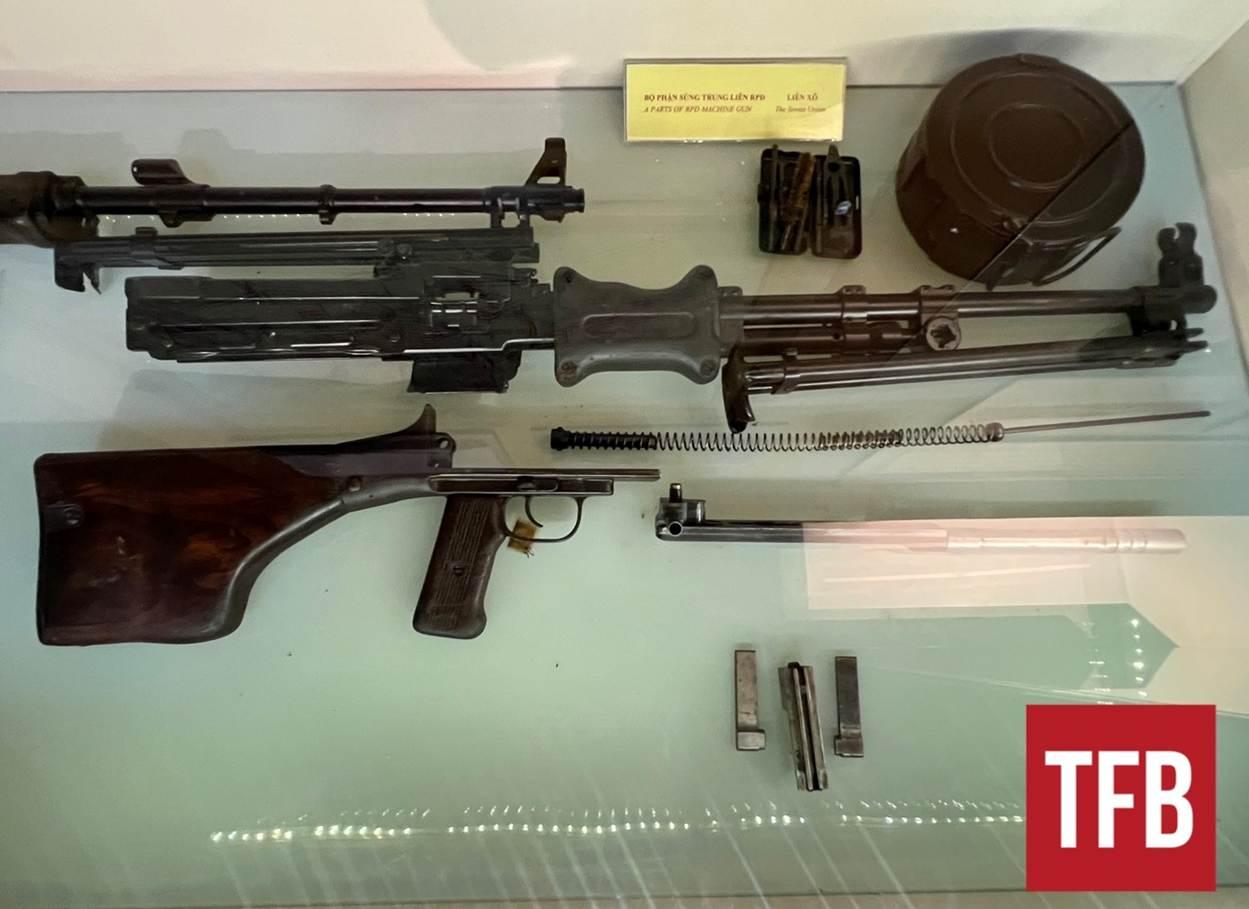
One of the RPD's distinguishing features was that it was belt-fed, a big step up from magazine-fed automatic rifles. It used a 100-round ammunition belt in 50-round sections stored in a drum. This arrangement distinguished it from conventional magazine-fed rifles and allowed it to perform its intended role as a light machine gun in the squad automatic infantry role.
The original design used the manufacturing methods and priorities of its time. It emphasized mechanical reliability, relatively straightforward construction, and suitability for mass production, resulting in a weight of around 16.3 lbs. This established the RPD as a recognizable Soviet-designed light machine gun seen in many hot spots around the world.
Nevertheless, the design also reflected the technological limitations of the late 1940s. Modern materials, enablier mounting points, and contemporary manufacturing technologies were not available to its original designers in their present forms.
Most of the issues associated with the RPD have been its belts; the violent action will beat up the belts as it swings around while it feeds, so they lose tolerance over time, and rounds move around, causing feeding issues. The second issue that really is not an issue is that it doesn’t have a quick-change barrel. Although most contemporary requirements call for a quick-change barrel due to different roles, this has begun to shift as newer requirements call for fixed barrels to reduce weight, complexity, cost, and dispersion. These older guns would likely need new barrels, as they may be shot out or corroded in storage. In a perfect world, I would recommend a quick-change barrel; besides the obvious heat, it also allows the gunner to get the gun up quickly if there was a squib or case separation.
Why Consider Modernization?
It's about using what you have and bringing it up to modern standards and requirements. Modern weapon systems incorporate mounting points for optics and enablers.
Modernization does not necessarily mean completely redesigning an existing weapon. This can also serve as a stopgap, using old LMG inventory stocks to meet the current needs of nations needing LMGs. Over the years, a few efforts have updated the RPD to varying degrees.
Optical technology represents one of the most visible developments in modern military equipment. During the RPD's original service period, infantry equipment generally relied on iron sights; later in Polish service, some RPDs were equipped with side rails for early night-vision optics. Modern military technology, however, includes a much broader range of optic systing systems.
This would involve an optics mount on the feed tray cover, other enablers would typically be mounted on a handguard with either M1913 rails or M-LOK. The biggest issue with updating the RPD would be belts, not mounting stuff to the gun. Old belts are worn, rusted, and more prone to feeding malfunctions, so new belts would need to be manufactured to support the gun better and supplement the new old stock belts. Second, a weapon-mounted ammunition pouch, possibly with a 200-round capacity. Most efforts I'm aware of don’t address one or both of these issues.
Conclusion
The Soviet RPD remains an interesting example of postwar weapons development. Its development demonstrated the Soviet Union's transition toward intermediate-caliber infantry weapons and the changing requirements of infantry support in the early Cold War.
For countries with large stocks of RPDs and 7.62x39mm ammo, modernization offers a practical way to extend service life without full replacement, to fit current battlefield needs better. Ultimately, the RPD demonstrates a successful engineering design of its time, but it did not necessarily become irrelevant as technology advances. Modernizing older weapon systems can continue to meet contemporary requirements, bridging the gap between legacy equipment and modern infantry needs.
If this post has you ready to hit the range, head over to gunranges.com - a free directory to help you find shooting ranges near you, wherever you are in the United States.