‘Season of Steel.’ Here’s Why the Premium Waterfowl Ammo Market Crashed
The good news first: If you want to hunt waterfowl with premium shotshells this season, you should still be able to get your hands on some. The bad news: those shells are going to cost much more than you’re (already) used to.
As we reported ahead of turkey season, tungsten prices skyrocketed in 2026. Bismuth, copper, and steel have also gone up, and those prices are translating to limited availability of raw materials, reduced supply from ammo makers, and higher prices for consumers.
That means many duck and goose hunters who have been shooting premium non-tox in recent years will be returning to steel shot.
“It’s definitely going to be the season of steel, for sure,” says Jimmy Wilson, Winchester Ammunition’s director of product strategy and a mechanical engineer by training. “It’s frustrating because people want the higher performance of alternative metals. But they’re still going to get great performance from steel and they’re not going to be spending as much money.”
With the exception of lead (which is of no use to waterfowlers), global metal prices continue to climb. Stacked steel loads are popular right now and most manufacturers have doubled down on efforts to introduce higher-end steel options, too.
Here’s a breakdown of each non-toxic pellet material by availability and pricing.
Bismuth Is Increasingly Hard to Come By

In response to bismuth scarcity and high prices, ammo makers across the industry have been scaling back their bismuth shotshells for 2026. If you do manage to find bismuth on the shelves, it’s likely leftover from last season’s manufacturing run and will not be restocked.
“Bismuth is still not available [to manufacturers] for any reasonable price,” says Wilson. “There’s still a Browning waterfowl load that has bismuth shot in it. That’s Wicked Blend, and it’s still out on shelves and reasonably priced, at around $40 a box. So if someone is looking for bismuth, they’re likely to still find that in most of the offerings we originally had.”
A quick look at major waterfowl brands online reflects this reality. Many pure bismuth loads from Remington and Hevi have been discontinued. While Federal is still making its Premium Hevi Bismuth, a single box of 2 ¾-inch 12-gauge No. 4s will run you $60, or $2.40 per round at big-box stores.
Like Winchester, Hevi manufactures a blended bismuth and steel load, called Hevi Hammer, that’s widely available and relatively affordable since it’s mostly steel. Each Hevi Hammer round contains about 15 percent bismuth, compared to the Wicked Blend’s 30 percent.
Boss Introduces New Copper Shot
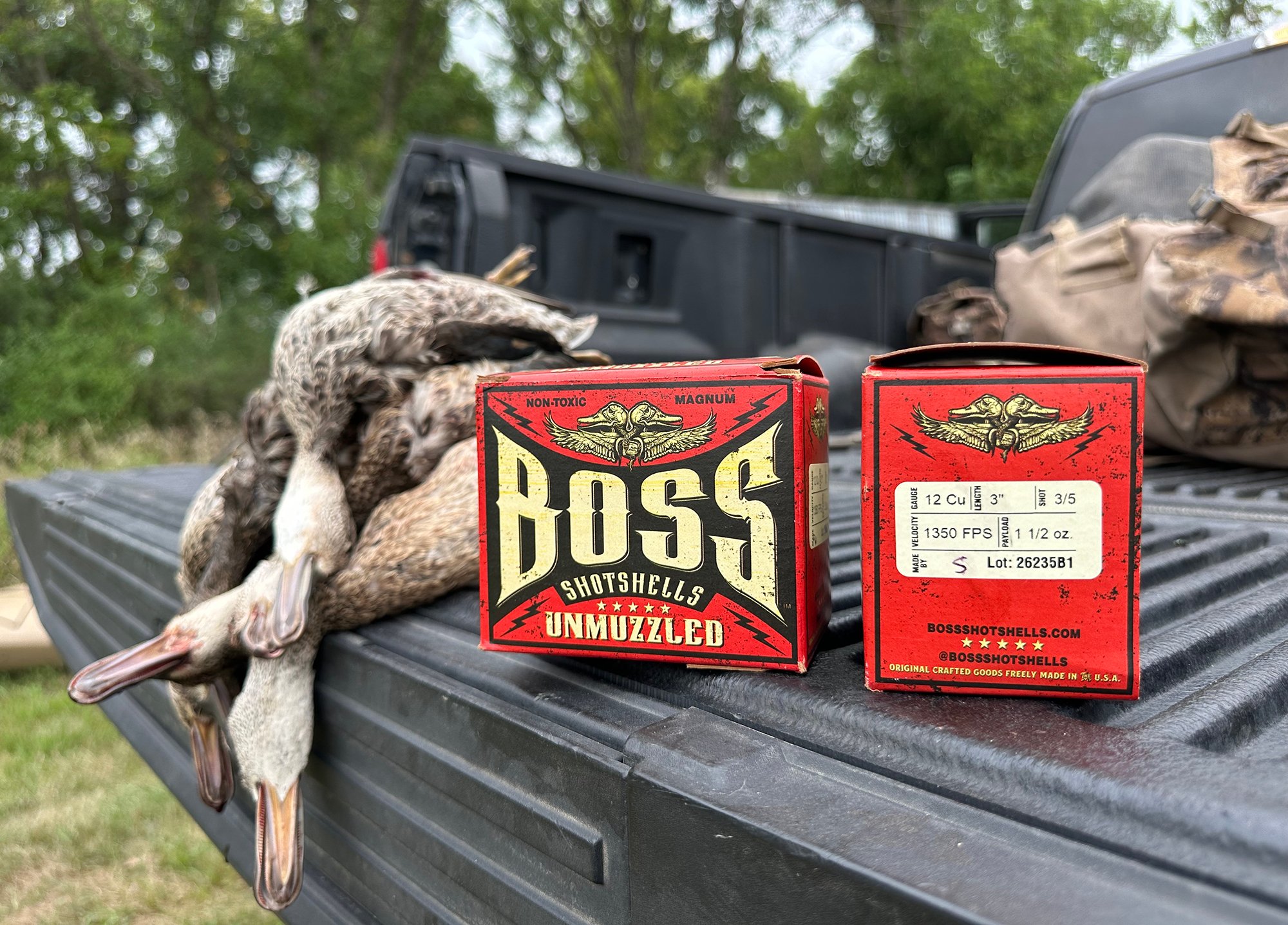
This summer the U.S. Fish and Wildlife Service officially approved the new copper-pellet loads from Boss Shotshells for waterfowl hunting. And in early waterfowl seasons in the North, duck and goose hunters are having good success with them.
While the Boss copper CuProX loads are by no means cheap, they are substantially more affordable than the tungsten or bismuth loads currently on the market. A box of 20 3-inch 12-gauge No. 3/5s CuProX will run you $40, or about $2.15 per shell.
When it comes to pellet density, non-toxic copper has a density of about 8.9 g/cc. That means copper ranks below bismuth (about 9.6 g/cc) and above steel (about 7.8 g/cc). Based on the density numbers alone, these copper pellets should not perform better than bismuth at the same velocities, but our testing of the new loads revealed a slight edge over bismuth in patterning and penetration — with a better price tag.

You can find the full Boss Copper test results here.
Boss says it sources its copper from Michigan, where the company is based. Although powder availability was previously the main bottleneck in the ammunition supply chain, copper has taken that crown due to its expense. Copper is the main component — about 70 percent — of brass.
“The price of copper continues to go up. It’s over $6.50 per pound for commodity prices right now, which is 50 percent higher than two years ago,” says Wilson. “It’s quite unprecedented, and you see that affecting ammunition prices in general … When you have a huge increase like that in copper, it’s going to affect the brass price, and it causes ammo makers to have to increase our price to cover that.”
The good news — for waterfowlers, at least — is this mostly impacts rifle and pistol ammo prices.
Tungsten Is Scarce for Waterfowlers, and Expensive
Like bismuth, many familiar TSS and tungsten loads have been discontinued, such as 20-gauge Black Cloud TSS. Some loads are still available online and in some stores until they sell out. Others aren’t available at all. Case in point: our favorite duck load we’ve ever tested, Hevi XII, named for its 12 g/cc tungsten pellets (no steel), is currently unavailable from the manufacturer and online retailers.
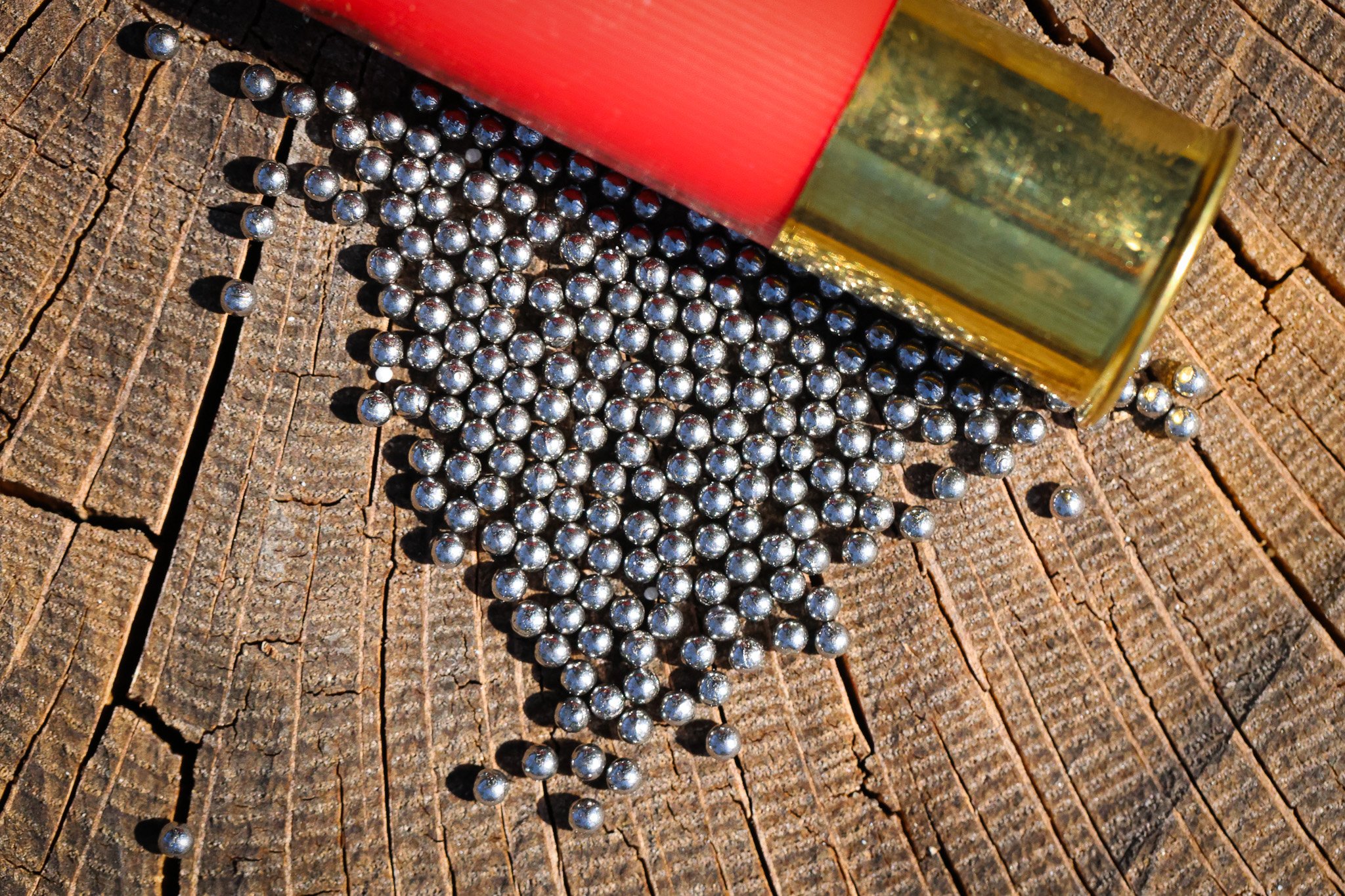
As we saw with turkey loads for the spring 2026 season, many manufacturers tried to combat rising tungsten prices by lowering the density of the tungsten pellets themselves. Expect varied availability, particularly from larger manufacturers. You’re most likely to find steel loads blended with varying densities of tungsten and at decreasing proportions. For instance, Hevi Hitter is still available from some retailers, which contains 80 percent steel and 20 percent tungsten pellets (12 g/cc).
“TSS is probably dead [for Winchester] just from a cost standpoint this [bird] season,” says Wilson. “The punitive tariffs make it cost-prohibitive to import. There’s a chance we’ll have some sort of waterfowl load that has some tungsten shot in it, but the quantities produced won’t be very big because it’s going to be expensive.”
Meanwhile Apex Ammunition, the Mississippi shotshell company that built its business around tungsten waterfowl loads, is still offering full TSS loads this fall. Apex says it hasn’t struggled with tungsten availability for its shotshells — just the cost of the material, which customers will see reflected in higher shotshell price tags.
“Our prices for waterfowl [loads] are slightly elevated from last year,” says Apex co-founder and CEO Jason Lonsberry, who noted the company was actively shipping steel and tungsten blends when we spoke in early October. “We’ve got tungsten in-house. We are actively producing blends and full TSS waterfowl loads right now.”
Lonsberry estimates Apex’s waterfowl loads cost between 15 and 27 percent more than 2025. The increase depends on gauge and payload, not shot size, he says.
Note that although Apex is churning out tungsten loads, supply is still lower across the country than in past years because bigger ammo makers aren’t supplying the premium shotshells to market this year. Blended and pure TSS loads are sold out on Apex’s site, though you can find those blends for about $2.28 per shell at retailers like Rogers Sporting Goods and Mack’s Prairie Wings.

Lonsberry says Apex has been trying to provide customers with different purchasing options given higher prices.
“We used to have some 10-shell box options, now they’re five [for turkey hunting]. The per shell cost shot up, but we were trying to make the impact to the register drop a little bit. Like, ‘Hey man, you only need five shells versus ten, just buy what you need.’”
Tungsten prices spiked at historic highs earlier this year, and have since fallen from astronomical levels. Still, ammonium paratungstate — the raw ingredient in TSS — remains roughly six times as expensive as it was in June 2025, depending on the market. Chinese tungsten prices have declined by about 70 percent from peak while the European market has only fallen about 10 percent.
Prices remain high for a few reasons: China still dominates tungsten manufacturing, tariffs have passed along the cost of import to American consumers, the U.S. hasn’t gotten domestic tungsten production back online, and tungsten is a key component of modern defense and warfare applications.
Lonsberry says new tungsten suppliers in other countries have started operating in the past six months, so tungsten is easier to source than it was in the spring — but it’s still expensive.
“There’re plenty of sources to get tungsten from,” says Lonsberry. “It’s just really trying to mitigate the cost.”
Despite that price, Apex’s own forecasts for tungsten demand are actually elevated from the past.
“A lot of that is probably because we’re accepting [tungsten ammo] orders because no one else is,” says Lonsberry. “I think a lot of other companies have decided to just bow out of it for this next year until prices stabilize some … They’ll probably wait for tungsten [prices] to correct and get back in the game because there’s plenty of demand there. But we just knew that if we didn’t [make TSS loads this fall], no one else is going to do it.”
Steel Is King This Season
Prices for the low-carbon steel used in shotshell pellets have also gone up steadily (roughly 68 percent over last year), but steel is also more stable and affordable than denser pellet materials.
Steel is, of course, the least dense pellet material available to waterfowlers. But manufacturers have been tinkering with shot sizes, wads, and other technological improvements in recent years.
“The hot ticket item for steel is definitely a stacked steel load with different shot sizes,” says Lonsberry. “That’s become a number one thing.”
Apex, Winchester, Federal, and Migra all offer stacked steel loads. Although mixing steel shot sizes might be trendy, it doesn’t offer practical lethality advantages at farther distances. Smaller steel pellets will not penetrate sufficiently at long range and there are fewer large steel pellets in the pattern. In other words, these stacked steel loads will work fine for close and mid-range shooting — just like all quality steel loads will.
Read Next: The Best Duck Hunting Shotguns
Waterfowl hunters shooting steel this season should stick to the basics: pattern your gun, choke, and load together, keep shots inside 40 yards, and carefully match your pellet size selection to the size of the birds you’re hunting. After all, the fun part of duck hunting is getting birds in close.
The post ‘Season of Steel.’ Here’s Why the Premium Waterfowl Ammo Market Crashed appeared first on Outdoor Life.