The Double-Alpha EDGE shot timer bundled with two Target Activation Pods (TAP) turns any swinger, drop-turner, bobber or slider into a target that releases on a programmable delay, with no activator popper in the way. For competition shooters who want (un)predictable movers in training, it is one of the most useful pieces of range gear I have used this year, and the bundle price is fair.
Background
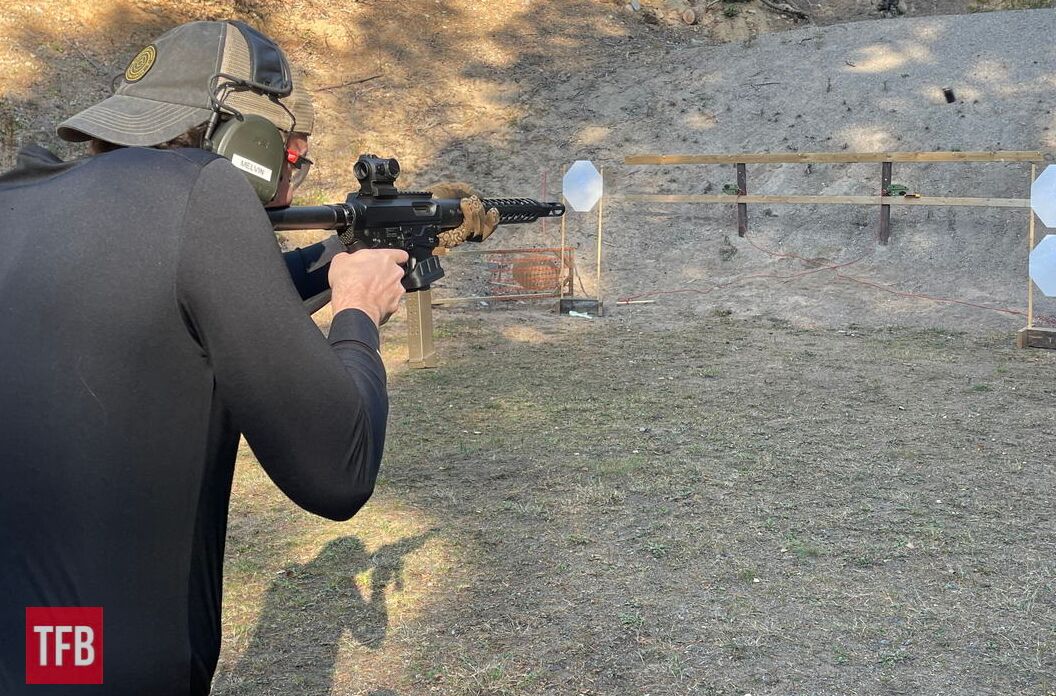
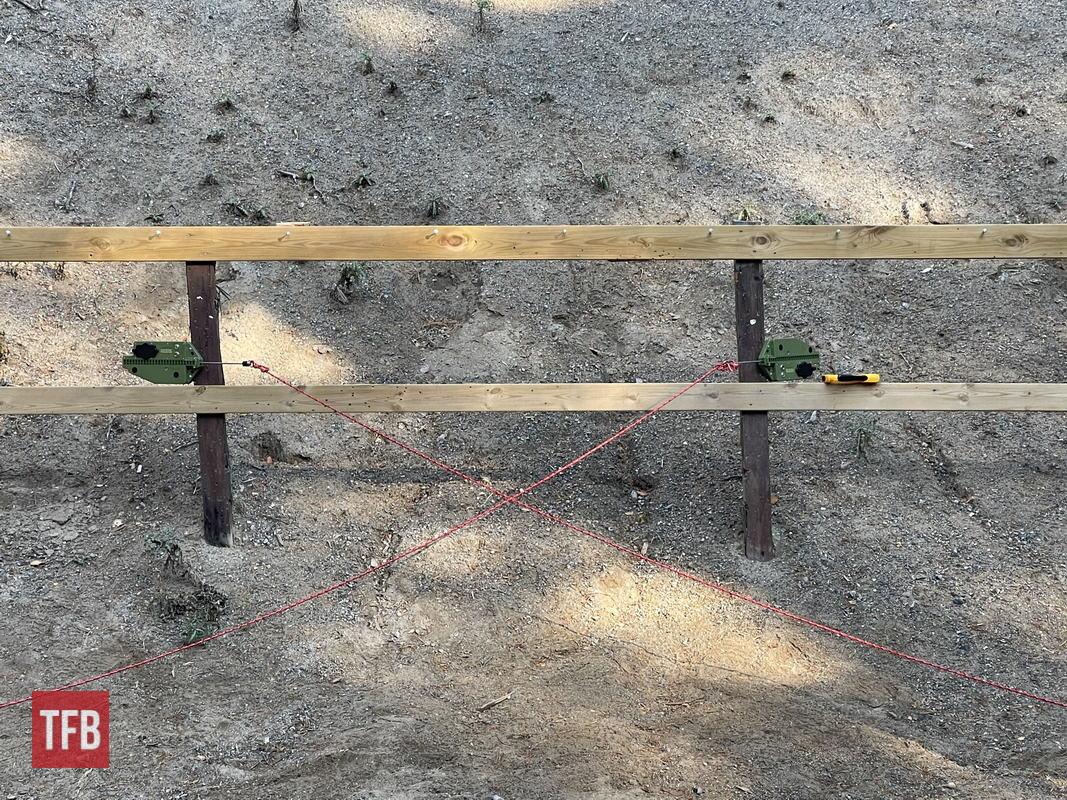
I ran the kit on a friend's setup, so it’s not my own kit. Two TAP pods were screwed to the wooden target stand and pulled the release ropes on two very fast, very unforgiving swingers. We spent some time changing delays on the timer, shooting, resetting and changing them again. That is where this review comes from. The team at Double Alpha Academy (DAA) had nothing to do with this review in any way.
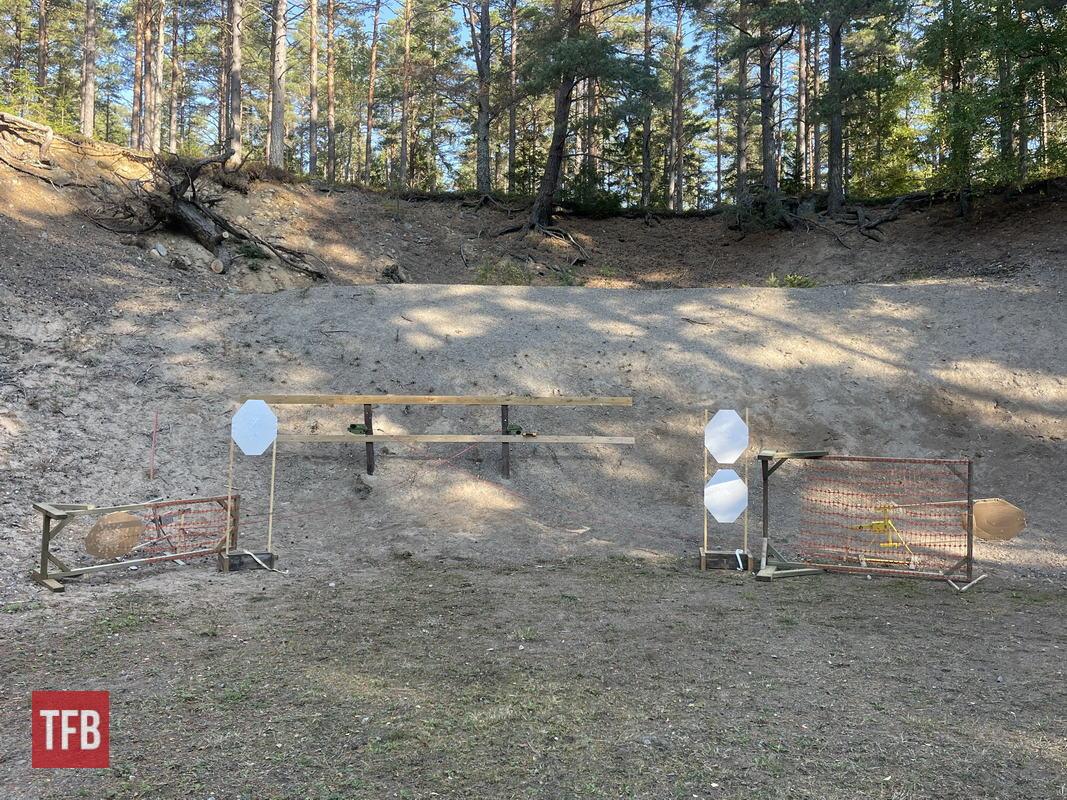
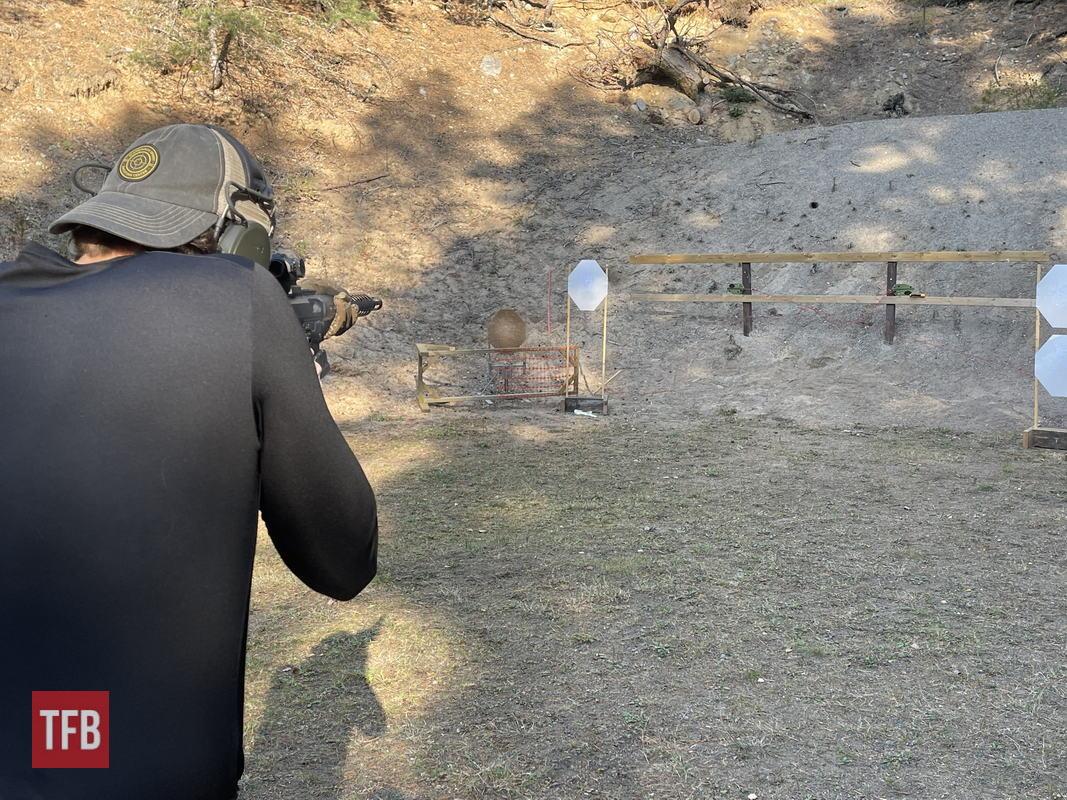
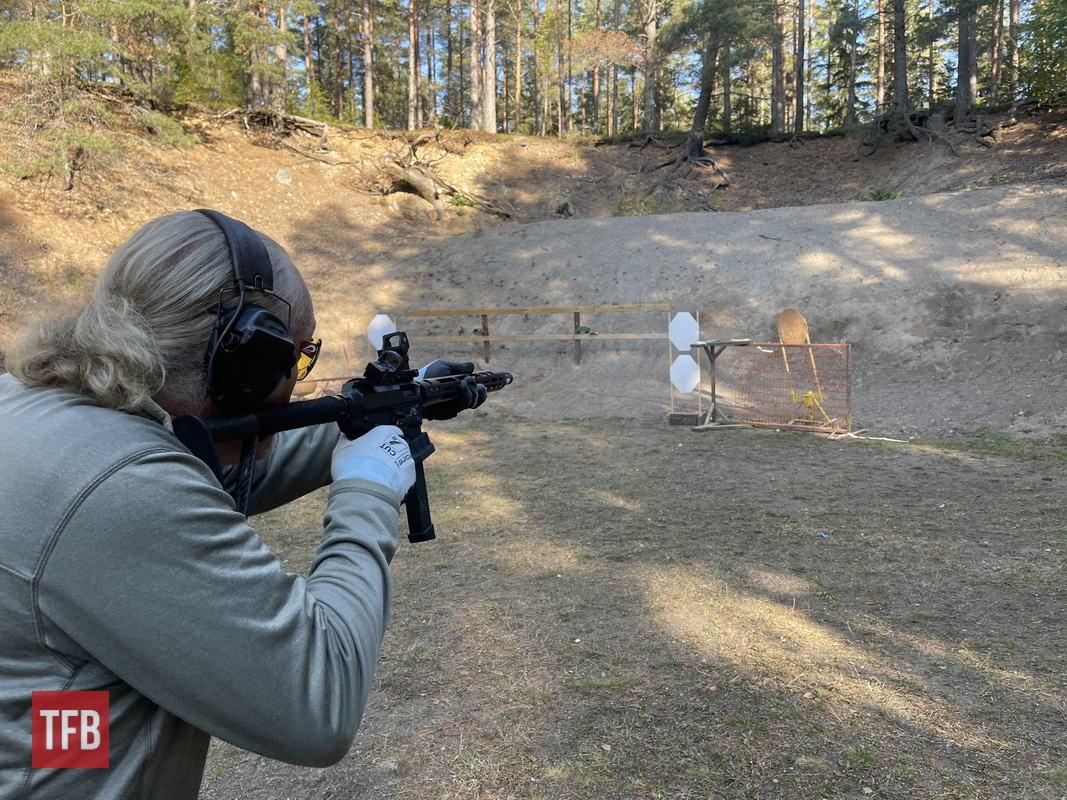
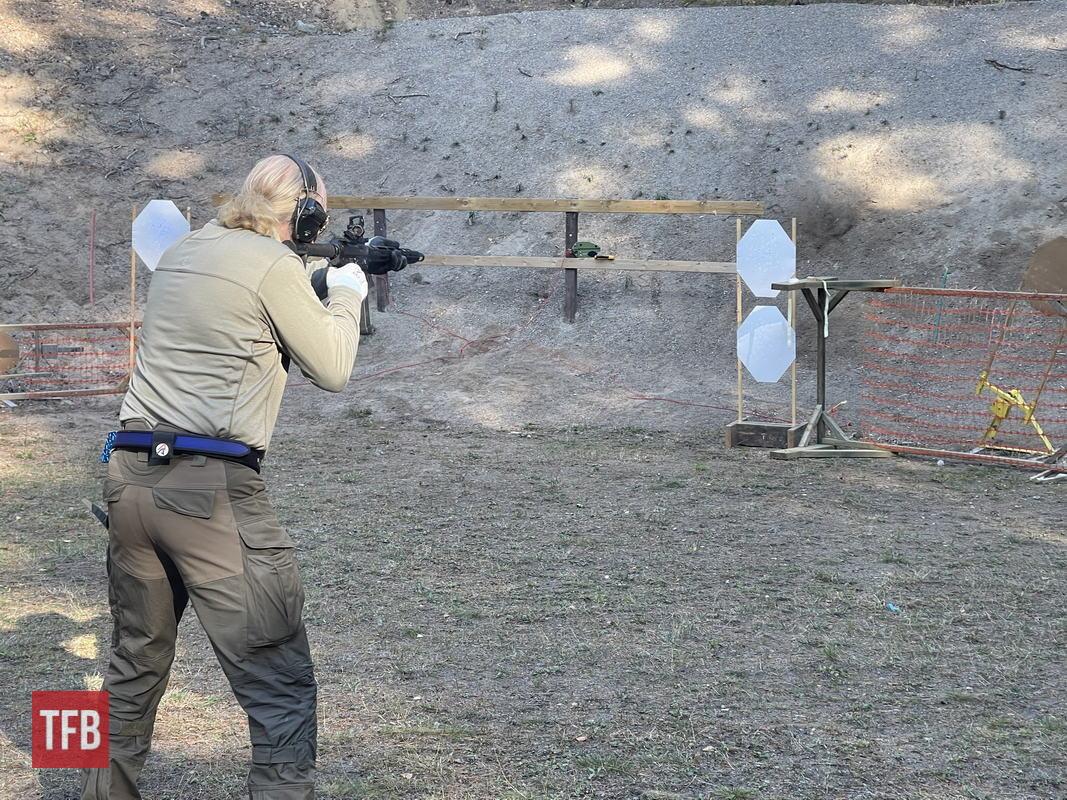
Our training stage pictured here was far from perfect, but it worked. Normally you don’t combine brown and white IPSC targets like this, but sometimes you have to take what you’ve got.
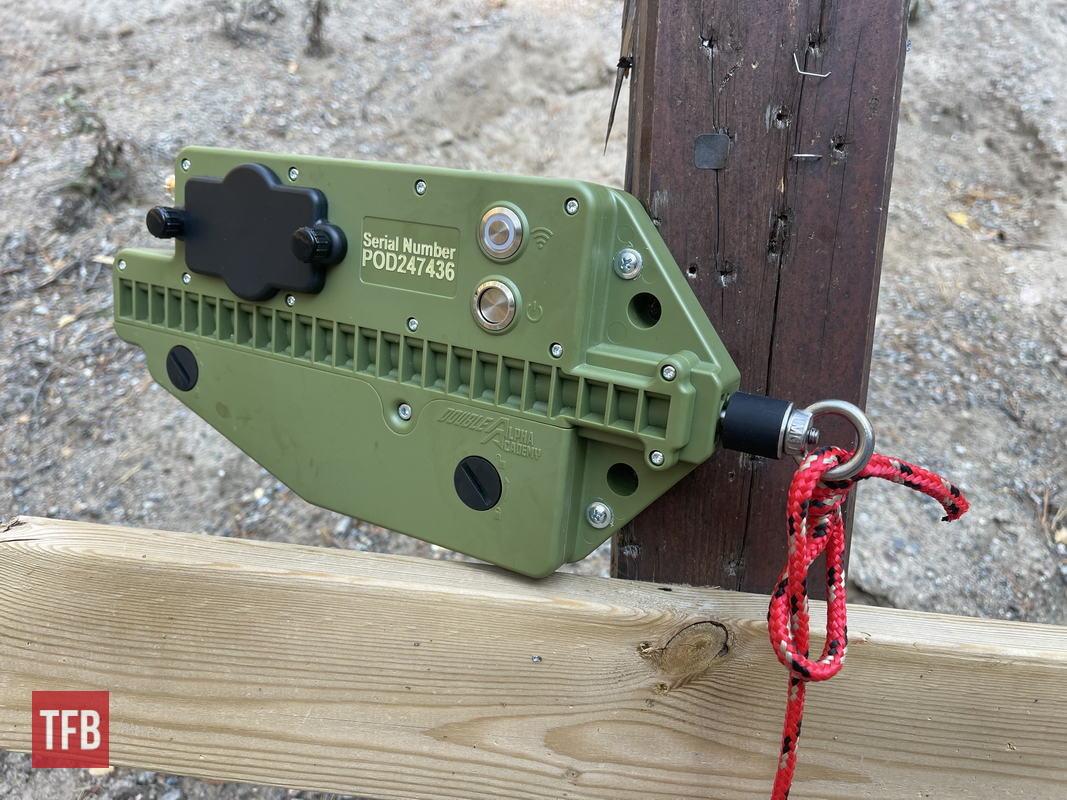
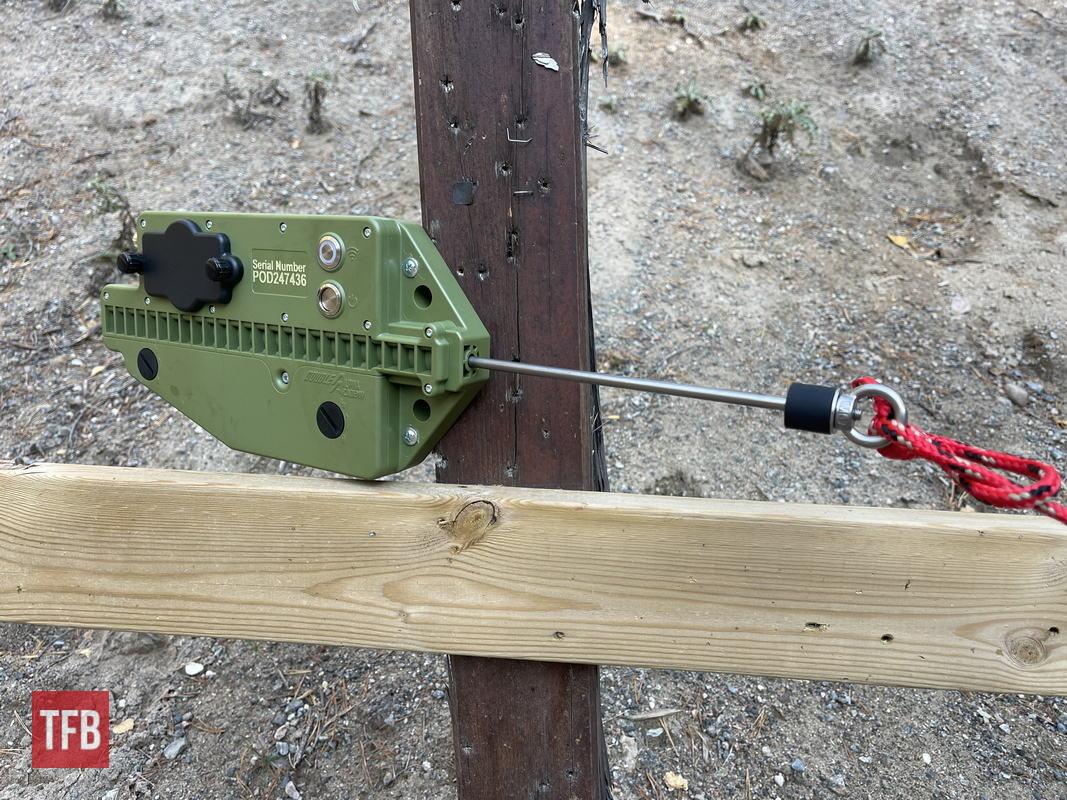
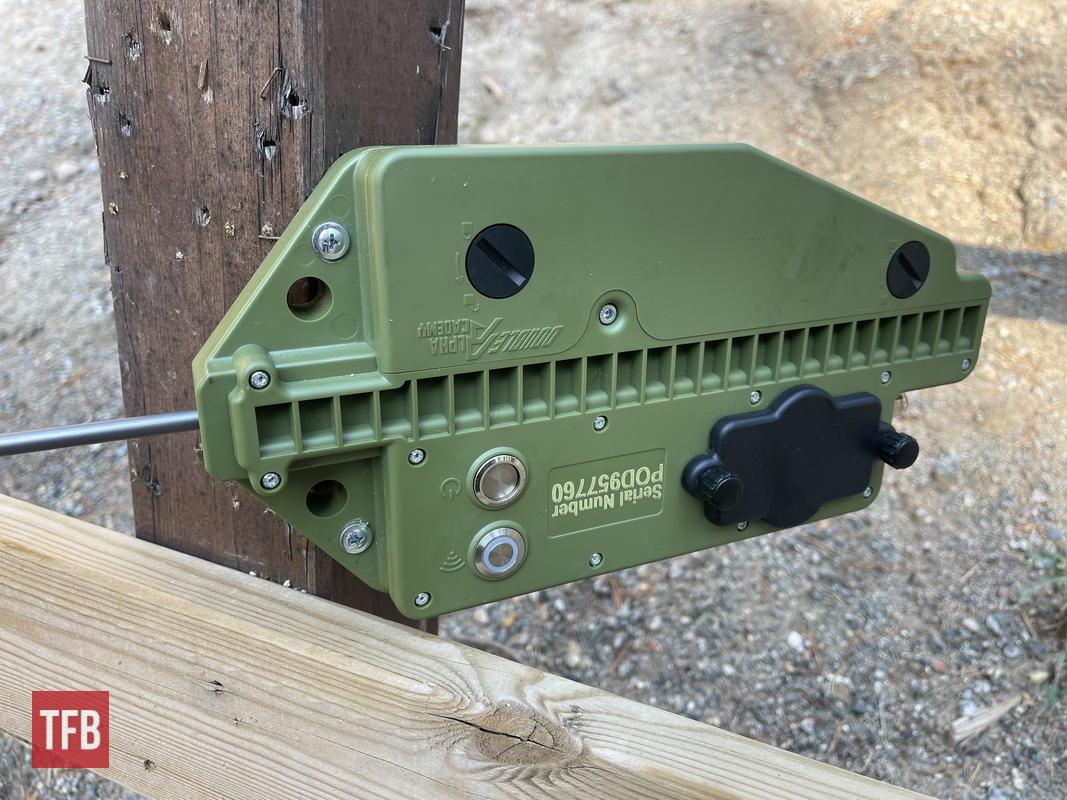
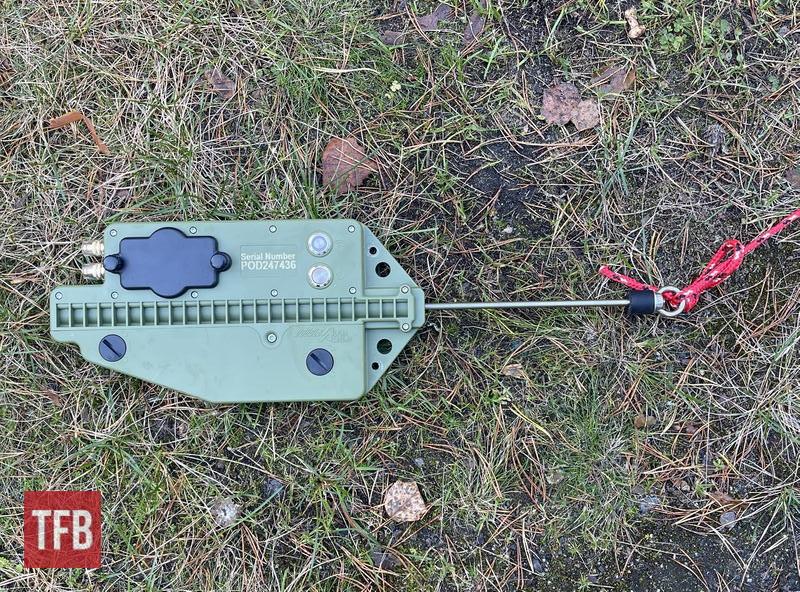
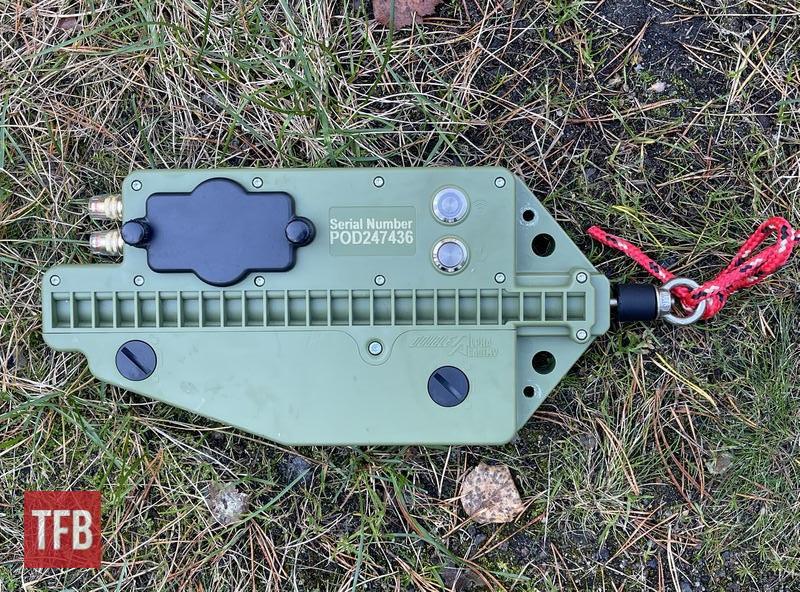
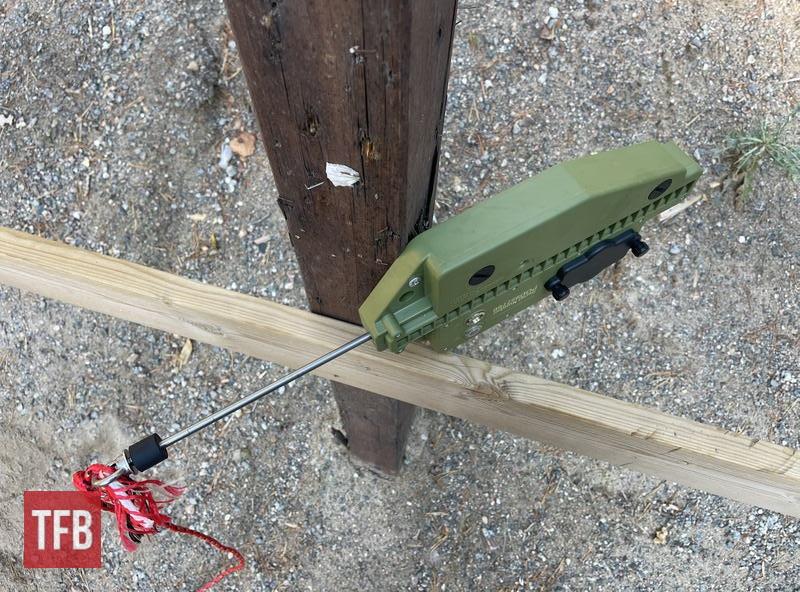
Below are two images of the TAP pod, unarmed and armed. The serial is clearly visible, so you can identify them on the timer during programming.
If you’re as impatient as I am, here’s a short verdict:
Buy it if you build stages, run a club, train a team or coach students and want movers that start on a delay you control, not on a popper or a rope someone has to activate first. Certain shooting instructors for the Military and Law Enforcement can also benefit from it, creating unexpected scenarios.
Skip it if you only need a shot timer. There are plenty of other timers that will do a better job, and the pods are where the value is.
Would I spend my own money? Yes. I rarely say that about Double-Alpha pricing, but the two-pod bundle earns it.
What you get
The bundle reviewed here is one EDGE shot timer (see above) and two Target Activation Pods. The timer talks to the pods over Bluetooth. Each pod holds a release line and yanks it when told to, which drops the swinger, slider or drop-turner it is tied to. If you like, you can add more pods to your system (max 5).
Spec | EDGE timer | TAP pod |
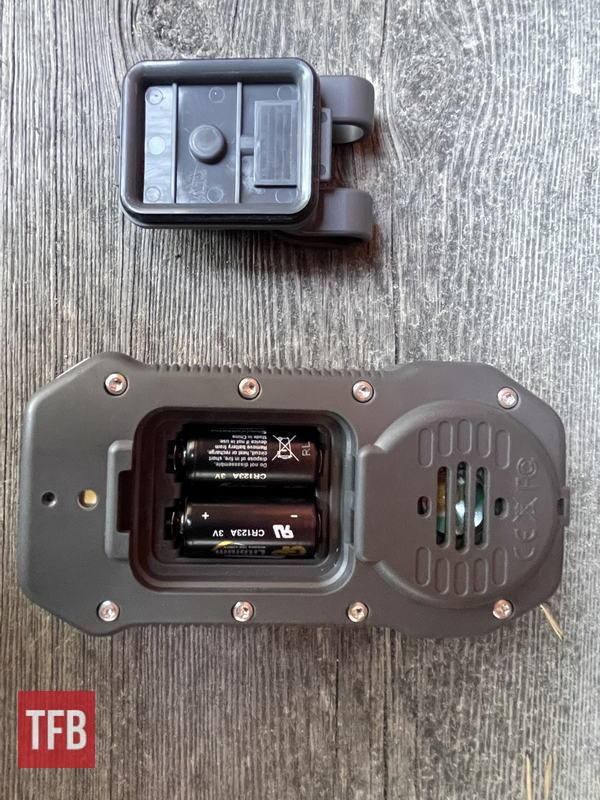
Power | 2x CR123A, 25 to 50 hours | 4x AA, about 500 to 700 activations |
Weight | 230 g (8.1 oz) | Not listed |
Size | 130 x 65 x 35 mm (5.1 x 2.6 x 1.4 in) | Not listed |
Sealing | IP65 | "Weather-resistant", no rating |
Pull force / stroke | n/a | About 3.5 kg (7.7 lb) / 200 mm (7.9 in) |
Range | n/a | 80 to 100 m (87 to 109 yd) line of sight |
Delay | Set per pod from the timer | 0.1 s steps, independent per pod |
Pods per timer | Up to 5 | n/a |
Other triggers | Manual release via LIGHT button (firmware v1.42) | Any momentary contact switch on two terminals: door/window magnet, pressure pad, tilt switch |
The specs from Double-Alpha's product pages. No batteries are included.
At the range - The setup
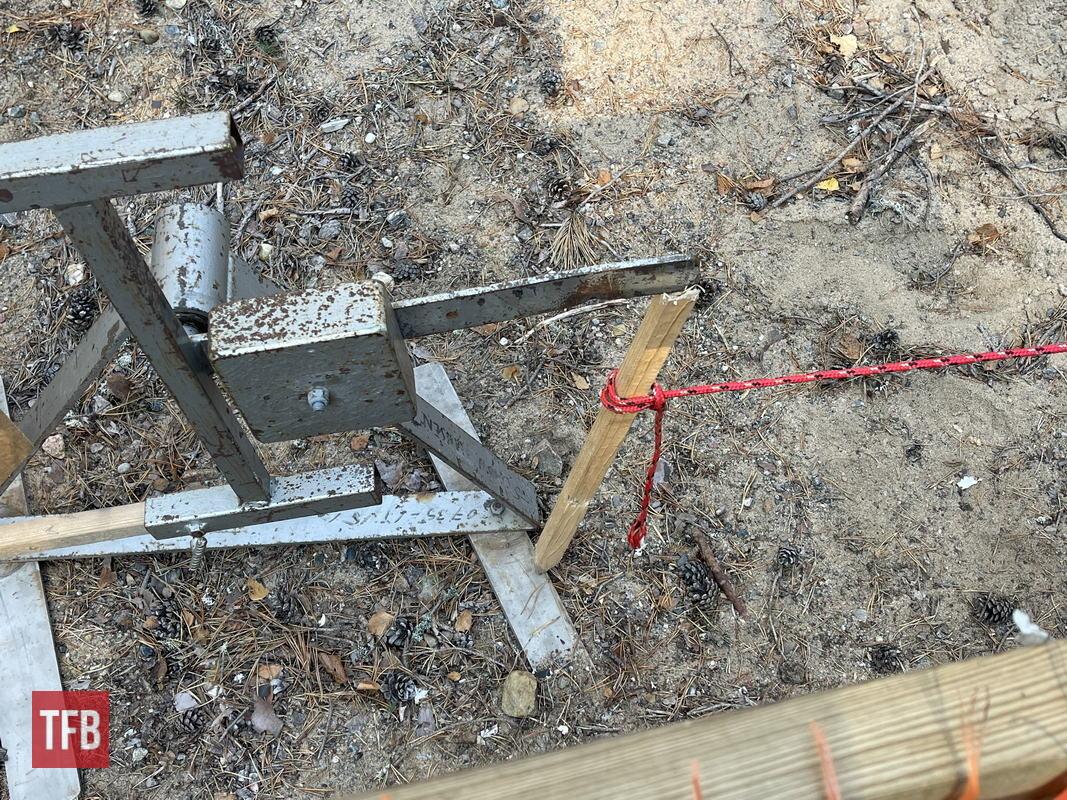
The setup took minutes, not an afternoon. We screwed each pod straight onto the wooden target stand opposite its swinger and ran the release rope to the pod. There’s no steel popper to carry, place and calibrate, but you do need something to attach the pods to firmly.
Most of my time at the range is wasted on carrying stuff back and forth, setting the stage and carrying it back - and some talking, of course. This bundle increases efficiency. Anyone who has built field courses knows the activator popper is the weak link. It gets knocked out of position, the cable stretches, it fails to fall on a low hit, and you have to call for a reshoot.
Steel poppers close to the shooter also throw fragments and splash. The TAP removes the popper from the equation entirely, and with it a whole category of stage problems. The “problem” that’s still there is that you have to rig the swinger, and reactivate the DAA TAP, but overall this removes most of the hassle.
The swingers on my friend's setup were fast, like crazy fast. With a PCC you get maybe one clean window per pass, and if you are late you are chasing a target that has already gone. That is exactly what you want to train before a national championship, and although we didn’t know it at the time, this training session proved extremely valuable.
Below: Note the external wired trigger terminals (left, top side), compatible with virtually any momentary contact switch.
We set each pod independently from the timer, shot a run, changed the numbers and ran it again. One swinger released early, the other late. Then we flipped them. Then we put them almost on top of each other.
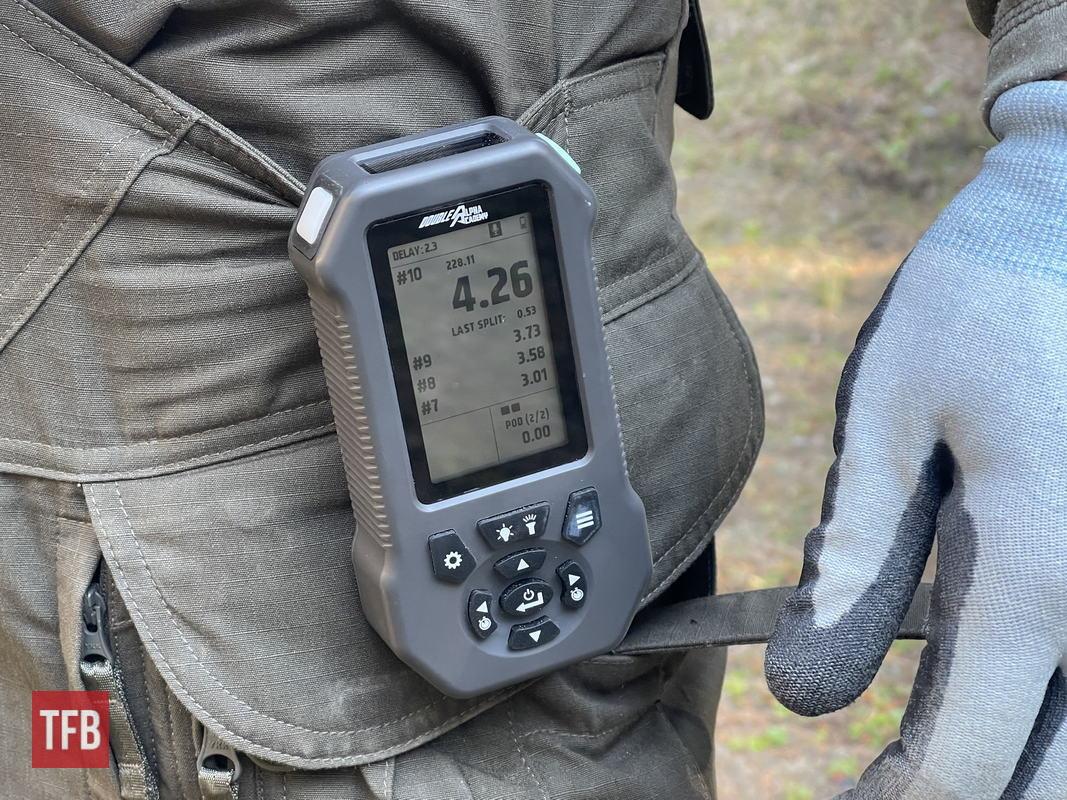
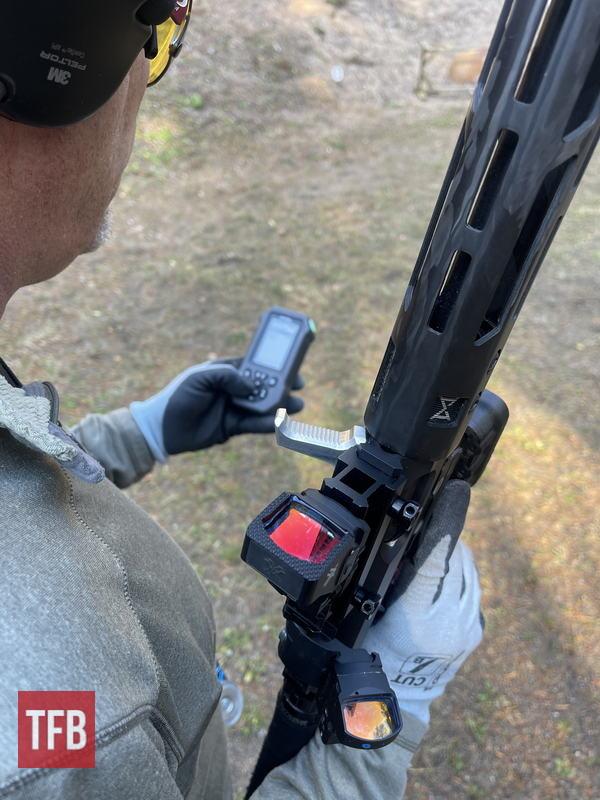
Changing a delay on the EDGE is quick and does not need a manual or a phone app, so the shooter waiting on the line (which might be you, with your own timer) does not stand around while someone fiddles with settings.
Depending on how you train, the shooter might not know the delay, so you cannot game it. There is no "hit the popper, count two, swing left" rhythm to memorize. You see it, you react, you shoot. That is closer to a real match stage you have never seen, and a lot closer to real life. Here’s the moment where people who teach or train for tactical environments will find the systems worth as well.
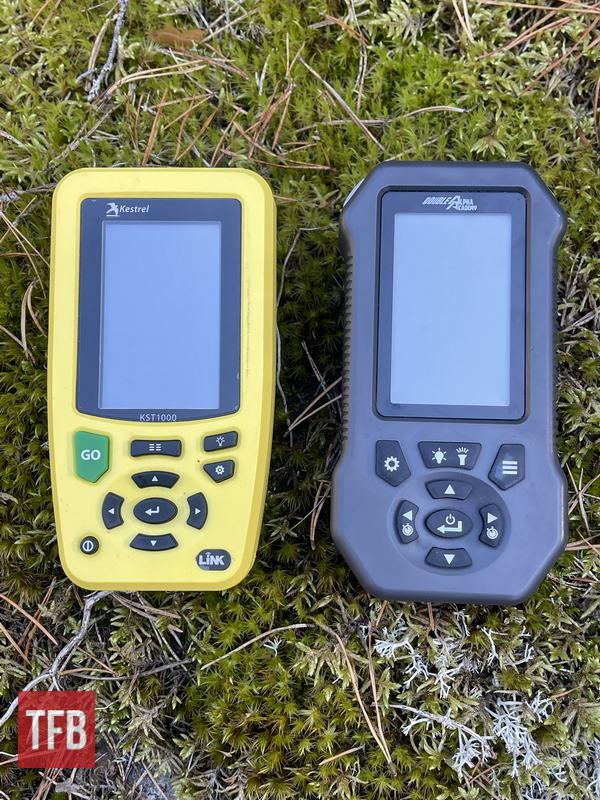
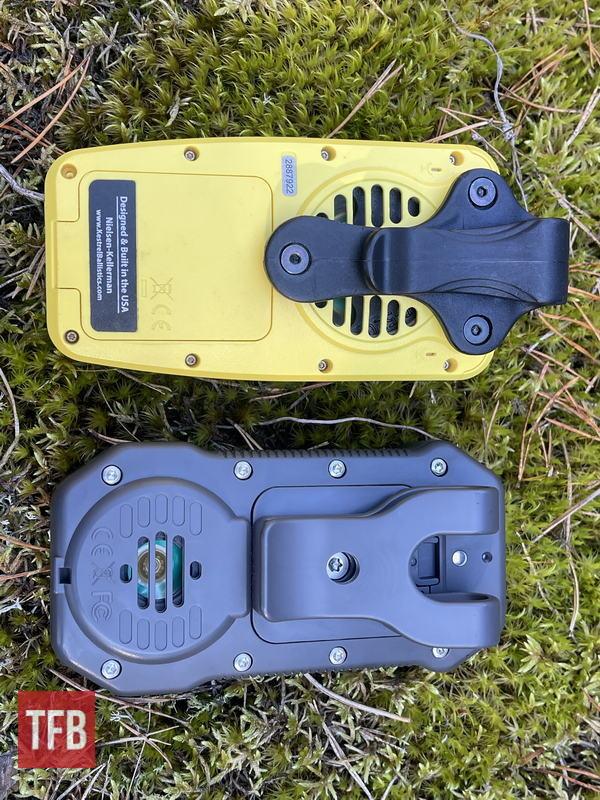
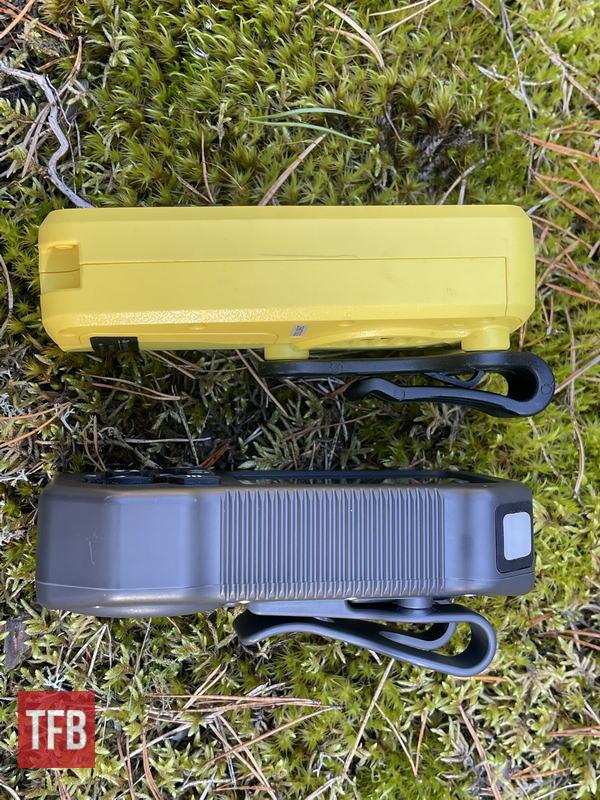
The timer itself is not the sexiest thing on the market. It is a chunky polymer brick with big buttons. But it worked every time we pressed start, the pods fired when they were told to, and that is the most important thing. I included my bright yellow companion Kestrel KST1000 Shot Timer as a size comparison in a few of the images.
The pods are not tied to the timer. Each one also has two terminals for any momentary contact switch, so the shooter's own actions can release a target. That opens the door for team leaders, special forces instructors and anyone running scenario training. A few ideas:
- Door or hatch entry. A magnetic switch on a door, window or vehicle hatch drops a target the moment it is opened. The shooter does not know if it is one threat or two.
- Pressure pad on a position. Step onto the mat at the second shooting position and a mover starts behind you. Good for teaching shooters to clear the next area before they settle.
- Pick-up trigger. A tilt switch under a rifle, briefcase or magazine on a table releases a target when the item is lifted. Great for gun pick-up stages and for teaching that the fight does not wait while you load.
- Shoot / no-shoot reveal. Two pods, two delays. One releases a threat, the other a no-shoot turning into the same lane. Swap them between runs and the shooter has to read the stage, not memorize.
- Instructor-on-demand. With firmware v1.42 the instructor can release a pod manually with the LIGHT button. Hold the timer, watch the student, and drop the target exactly when they reload, look away or start to relax.
- Moving game training. Rig a swinger or slider as a crossing boar or deer and let the hunting partner trigger it at random. Swedish hunters train on running-moose and running-boar ranges; US readers can set up the same thing for hogs or a coyote breaking cover.
It will probably work great for booby traps as well. But don't get any silly ideas now.
Some recommendations and notes
- Keep the release line straight. The pod pulls about 3.5 kg (7.7 lb) over 200 mm (7.9 in). Route the rope in a straight line or over a smooth guide so friction does not eat that force. Here’s where we had the biggest issue, but it wasn’t exactly the system’s fault.
- Check the primed status before every run. The pod reports to the timer whether it is primed, and the pod also flashes when it’s armed. Make that part of the RO reset, not something you find out when the target does not move.
- Fresh AA cells on match day. Double-Alpha quotes 500 to 700 activations per set. That is plenty for a training day, but a club match with two pods on one stage burns through them faster than you think. The number of activations in real-life is unconfirmed.
- Do not tell students the delay. The most common mistake I see is shooters rushing the first array to "catch" the mover. Vary the delay so they learn to shoot what is in front of them first. This depends of course on what you want to train.
- Mount the pod behind cover. It might sit right next to a target, so put it behind a stand or under a steel deflector. It is not meant to take hits, and we’re not sure about rain either.
In the US the EDGE is sold through dealers such as Dillon Precision and OpticsPlanet; check them for pod availability but it was there when I checked.
If you already own an EDGE timer, you can expand your system with single activator pods, and the timer controls up to five.
Will IPSC and USPSA allow it?
That is the open question, and I don’t have the answer. Today, movers in IPSC and USPSA are activated by the shooter, usually by hitting a popper or opening a door. A delay started by the timer beep would be a new way of building stages, and it will be interesting to see if the sanctioning bodies approve it. I am sure there might be some drawbacks or possible inconsistencies I didn’t think of, but I try to see possibilities instead of problems.
Here’s a video from DAA explaining the system:
Is it perfect?
My one wish for the TAP is a swivel mount. Clamp the mount to the pole or barrier, then turn the pod until the release pin and rope line up with the swinger or bobber (think 3D here). When the rope pulls at an angle, the release pin takes a lot of side load, and that costs force and wears the pin over time. I understand that will increase the cost and weight quite a bit, but it would decrease the setup time, and possibly decrease the wear as well. Perhaps as an option?
Conclusion
The DAA EDGE and TAP bundle does one thing very well: it lets you release movers when you decide, without steel activators. Before the PCC nationals, it gave us a few stages we could not memorize, on swingers that punished every late shot. It is not pretty, but it works, the price is right, and the scenario possibilities go far beyond match practice. What we don’t know is how it will last over time, and what the interior mechanics look like, but the system seems well-built.
How did the competition go? We both got our medal and our place on the podiums. Had I messed up the last double swinger with a no shoot, I wouldn’t have made it. Thanks, we’ll be using this DAA system more in the future.
More details can be found here:
If this post has you ready to hit the range, head over to gunranges.com - a free directory to help you find shooting ranges near you, wherever you are in the United States.