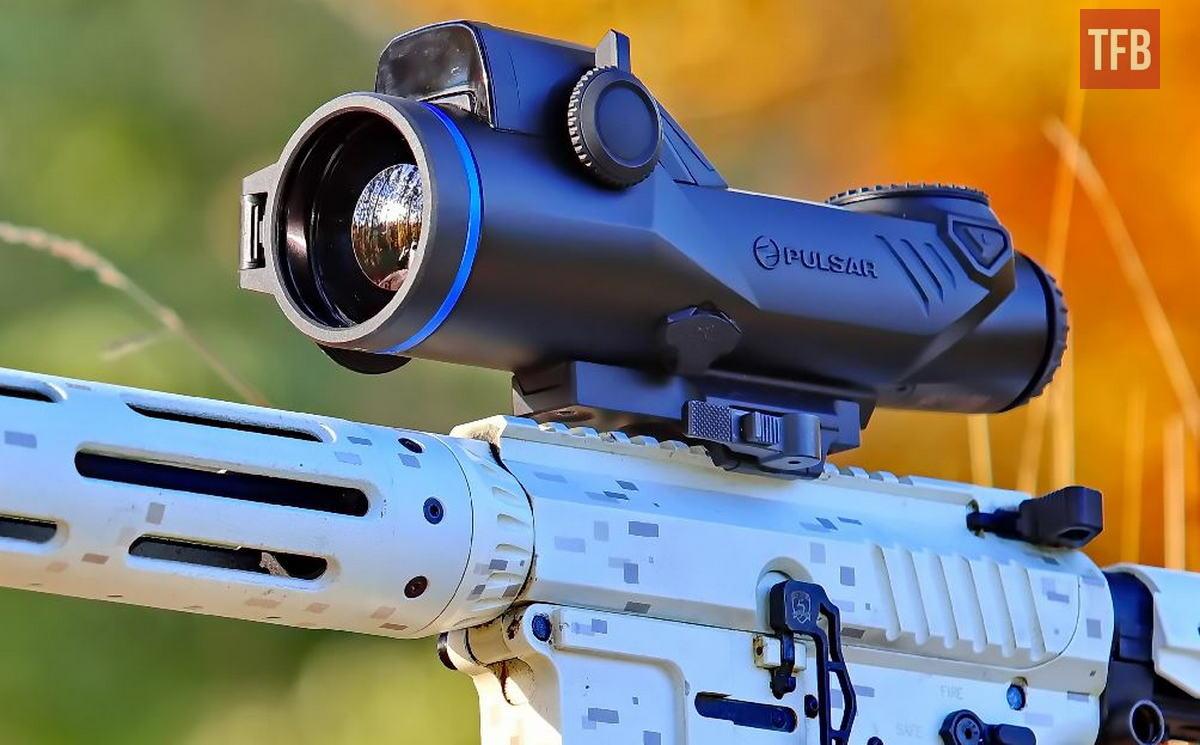
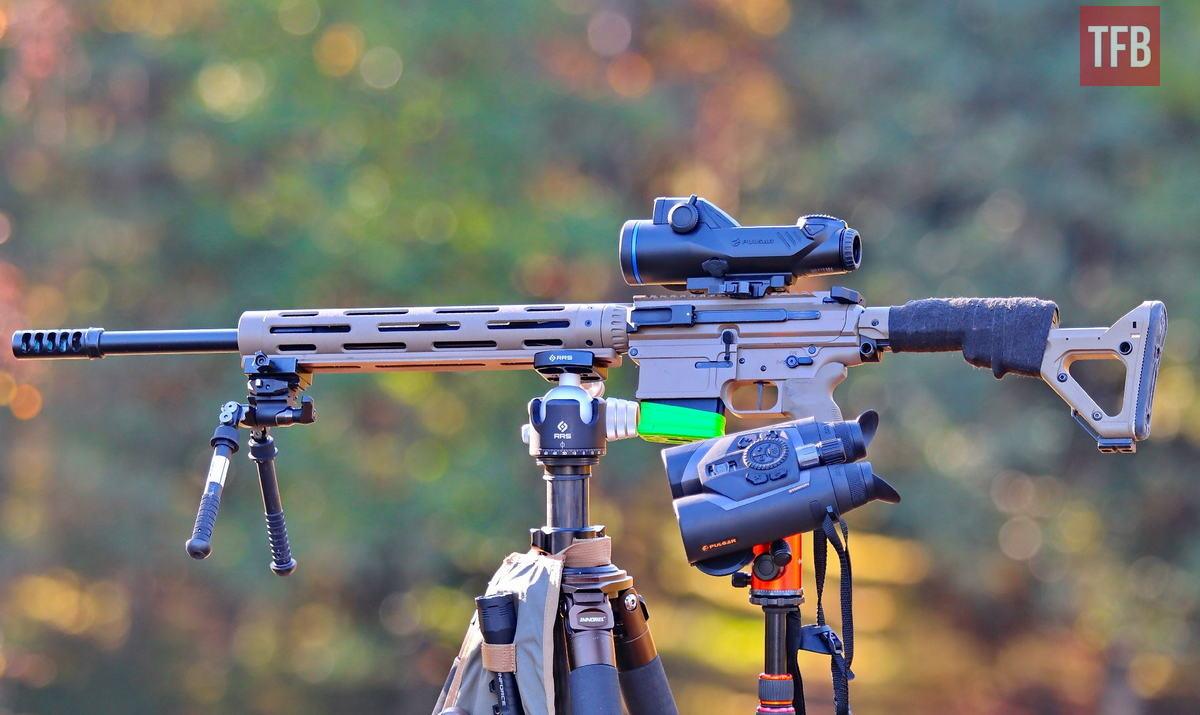
The Pulsar Trail 3 LRF XR50 is a compact 640x480 thermal riflescope with a built-in 1,200 m (1,312 yd) laser rangefinder. It's made for hunters who carry their rifle through the night rather than sit behind it, and it rides on a modern sporting rifle like a slightly chubby LPVO. After ten months of hunting wild boar with my own unit, on frosty winter nights, in spring fog and through warm summer nights, it's a thermal to trust when I'm on foot. As usual, I have a few complaints, but let’s take a closer look and the images look good too.
TFB Review: Pulsar Trail 3 LRF XR50 Thermal Rifle Scope
Pulsar thermals @ TFB:
Where the new Thermion 3 dresses up as a classic long-range day scope, the Trail 3 goes the other way: a short magnesium monoblock that clamps straight onto a Picatinny rail, with the battery, rangefinder and controls packed into 271 mm (10.7 in). It's not Pulsar's flagship, but it's the Pulsar rifle scope I'd recommend to most hunters, especially on AR-style rifles, and the one I've used most this year. TFB covered the launch at SHOT Show 2026.
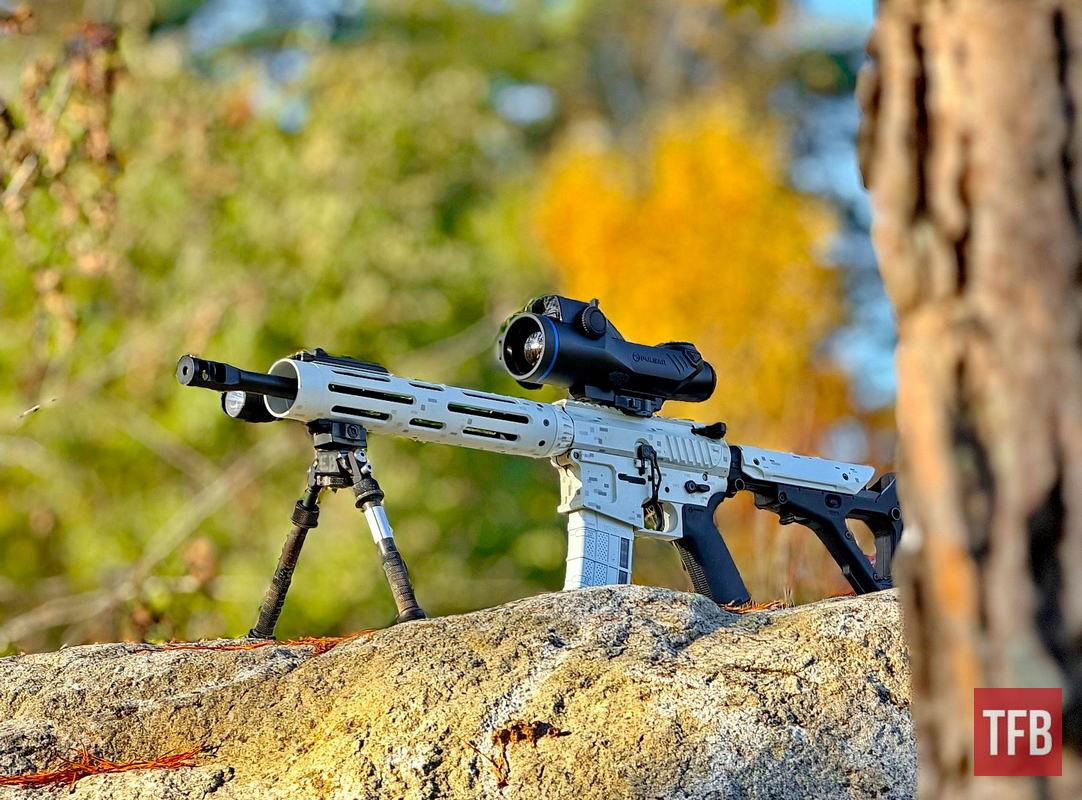
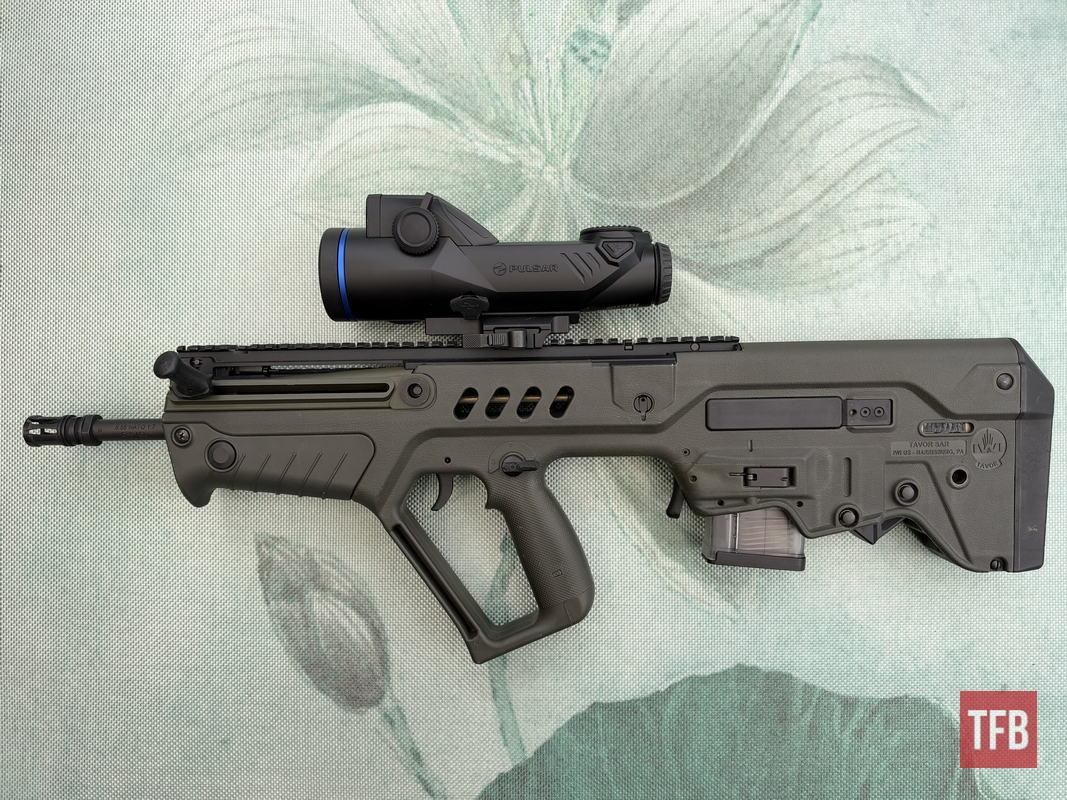
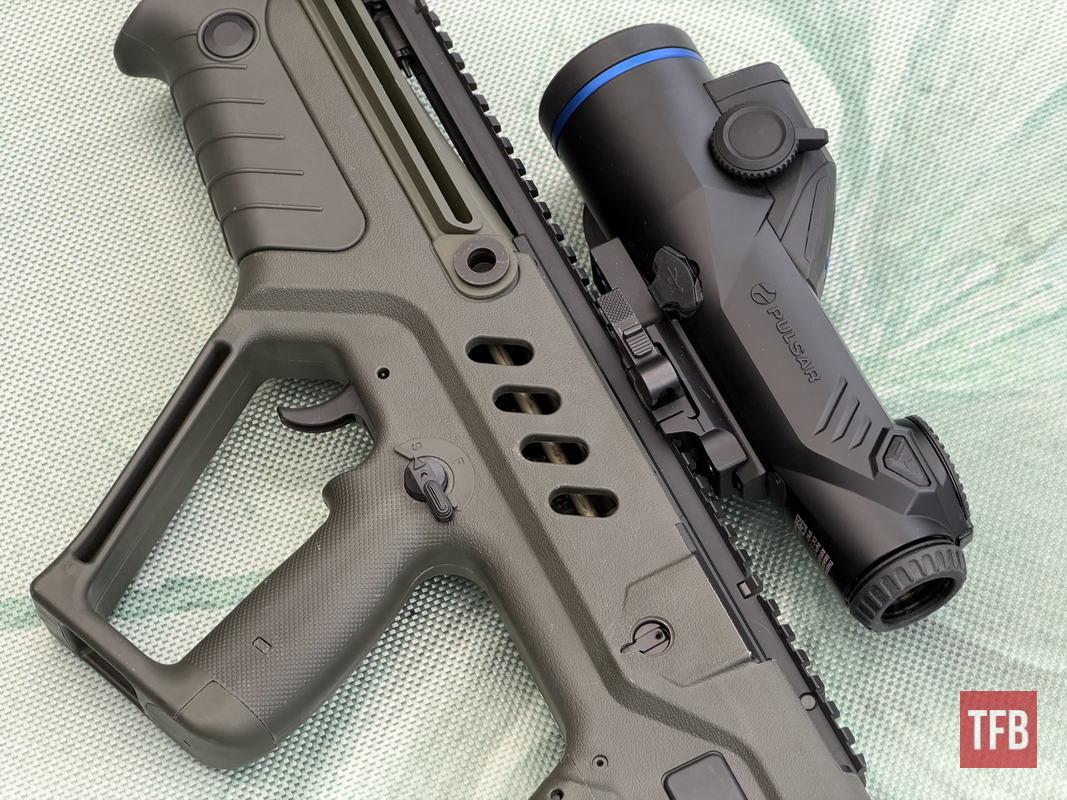
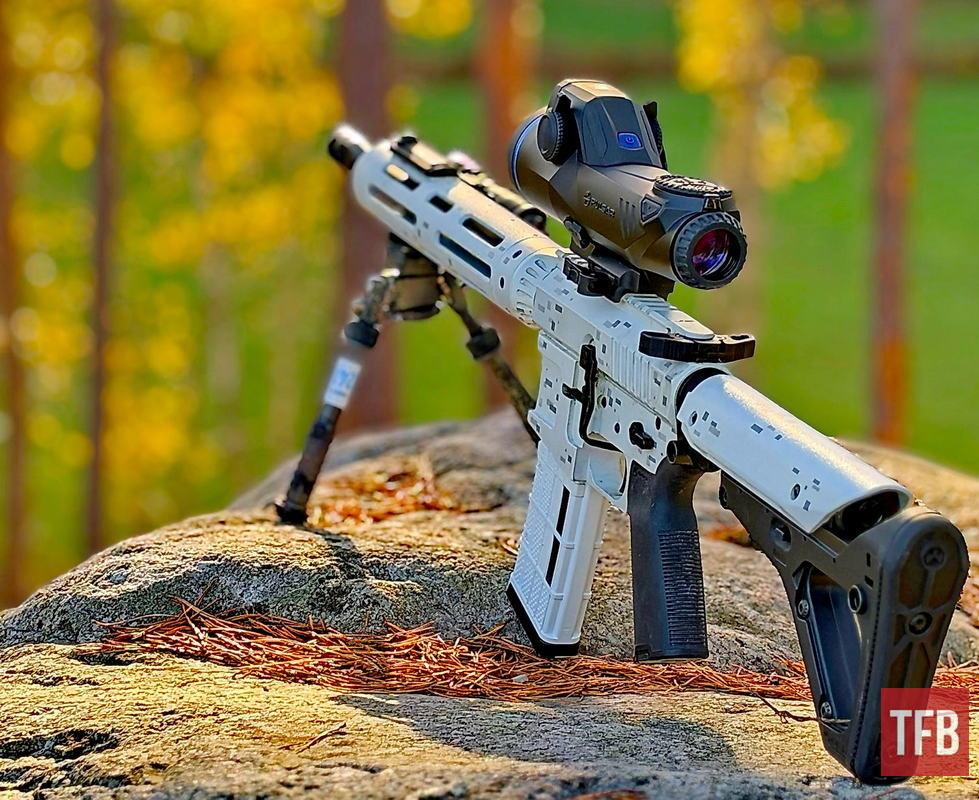
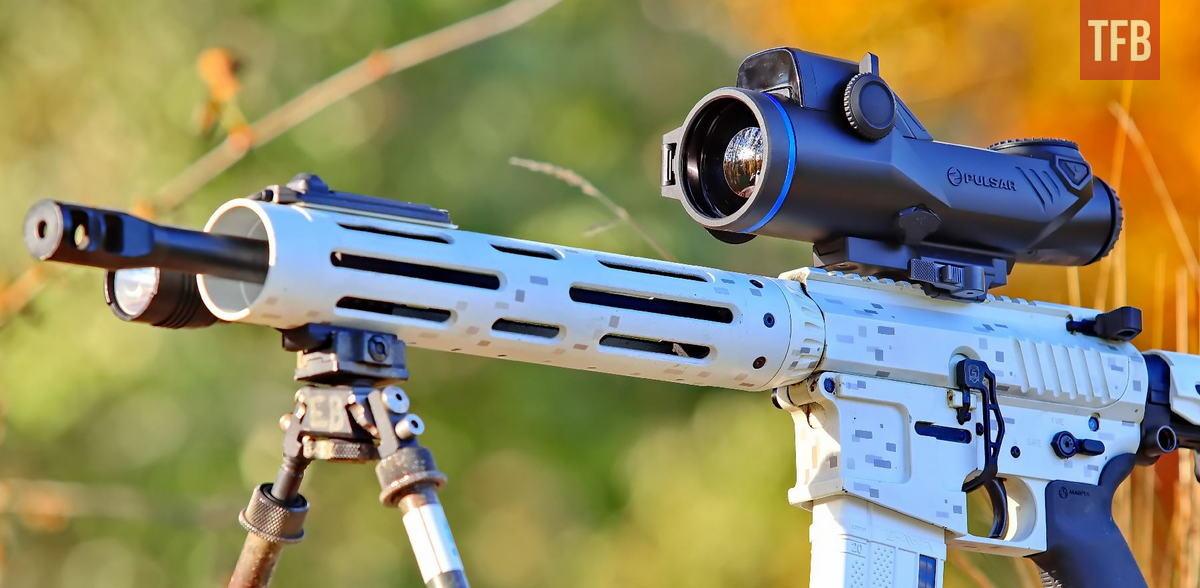
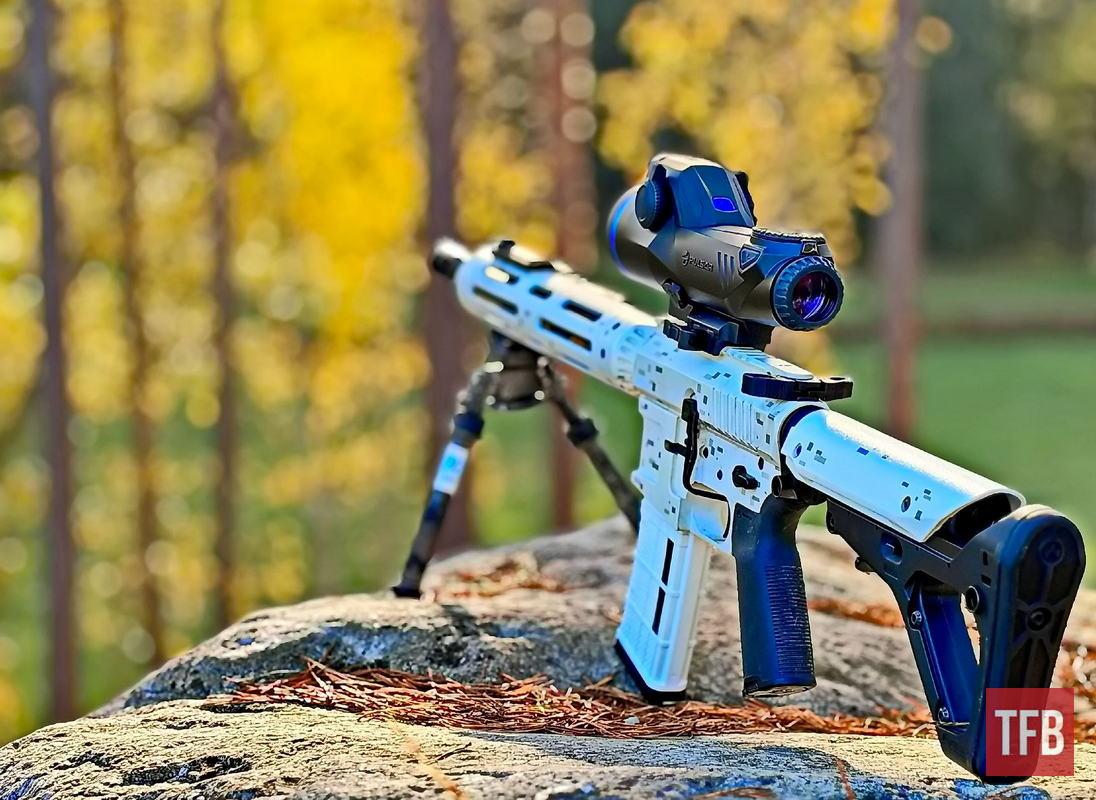
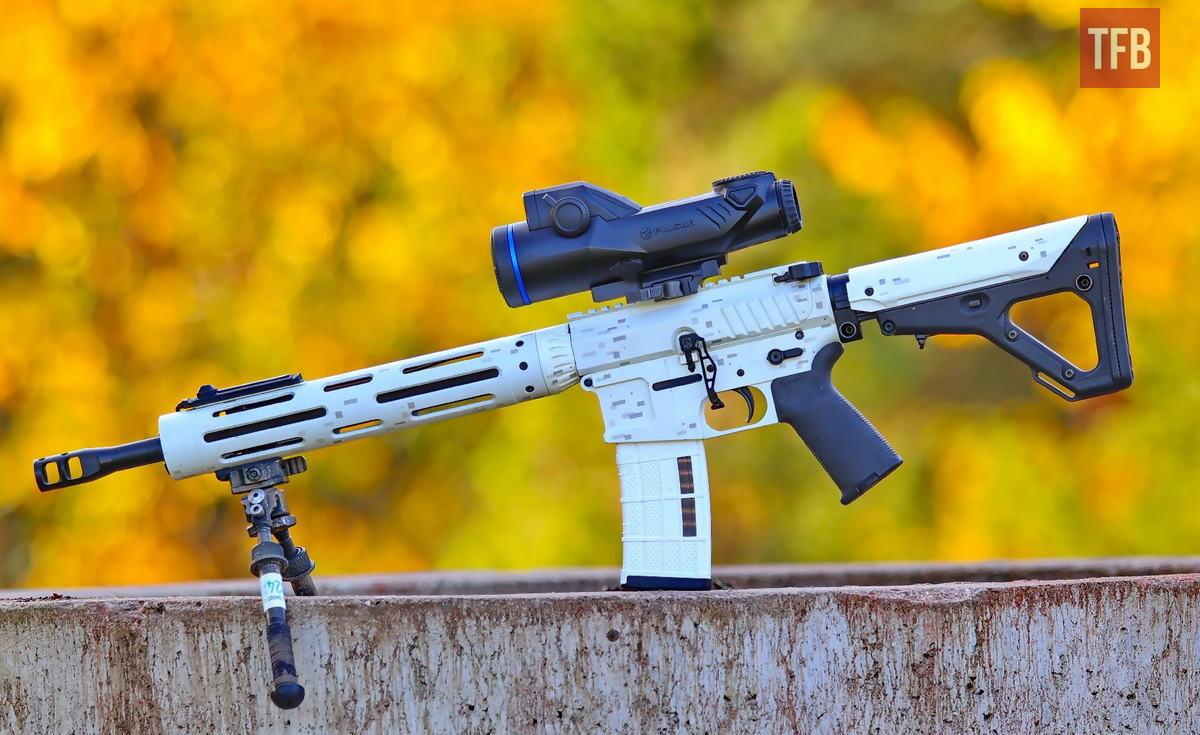
For transparency: This is my own Trail 3, bought in early 2026. Neither Pulsar nor any dealer had a say in what I've written or concluded. Since then, it has lived on various ARs of mine. I also mounted it on my white AR15, H&K and IWI Tavor, but that was just for fun and photos. Would it work? Certainly!
Trail 3 LRF XR50 Specifications
There are two Trail 3 models. The XR50 trades the XQ50's slightly better sensitivity and an extra hour of battery for a 640 sensor with smaller pixels, and it improves on the outgoing Trail 2 LRF XP50 in display, rangefinder, battery and detail on the animal, at the cost of some width. Prices are US list prices as of November 2, 2026.
Spec | Trail 3 LRF XR50 (tested) | Trail 3 LRF XQ50 | Trail 2 LRF XP50 (previous) |
Sensor | 640x480, 12 µm | 384x288, 17 µm | 640x480, 17 µm |
NETD | 18 mK | 15 mK | 40 mK |
Objective lens | 50 mm, F1.0 | 50 mm, F1.0 | 50 mm, F1.2 |
Magnification | 3-24x | 3.5-14x | 2-16x |
Field of view | 8.8°, 15.4 m @ 100 m (46 ft @ 100 yd) | 7.5°, 13.1 m @ 100 m (39 ft @ 100 yd) | 12.4°, 21.8 m @ 100 m (65 ft @ 100 yd) |
Display | AMOLED, 1920x1080 | AMOLED, 1920x1080 | AMOLED, 1024x768 |
Eye relief | 50 mm (2 in) | 50 mm (2 in) | 50 mm (2 in) |
Laser rangefinder | 1,200 m (1,312 yd) | 1,200 m (1,312 yd) | 1,000 m (1,094 yd) |
Detection range, deer-size | 2,300 m (2,515 yd) | 1,800 m (1,969 yd) | 1,800 m (1,969 yd) |
Battery, max runtime at 22 °C (72 °F) | Removable LPS 7i, 6,400 mAh, 11 h | Removable LPS 7i, 6,400 mAh, 12 h | Removable IPS7, about 8 h |
Recording memory | 64 GB | 64 GB | 16 GB |
Length | 271 mm (10.7 in) | 271 mm (10.7 in) | 347 mm (13.7 in) |
Weight | 0.7 kg (25 oz); [X] kg ([X] oz) measured with battery and mount | 0.7 kg (25 oz) | 0.8 kg (28 oz) without battery and mount |
US price | $4,199.97 | $2,999.97 | discontinued |
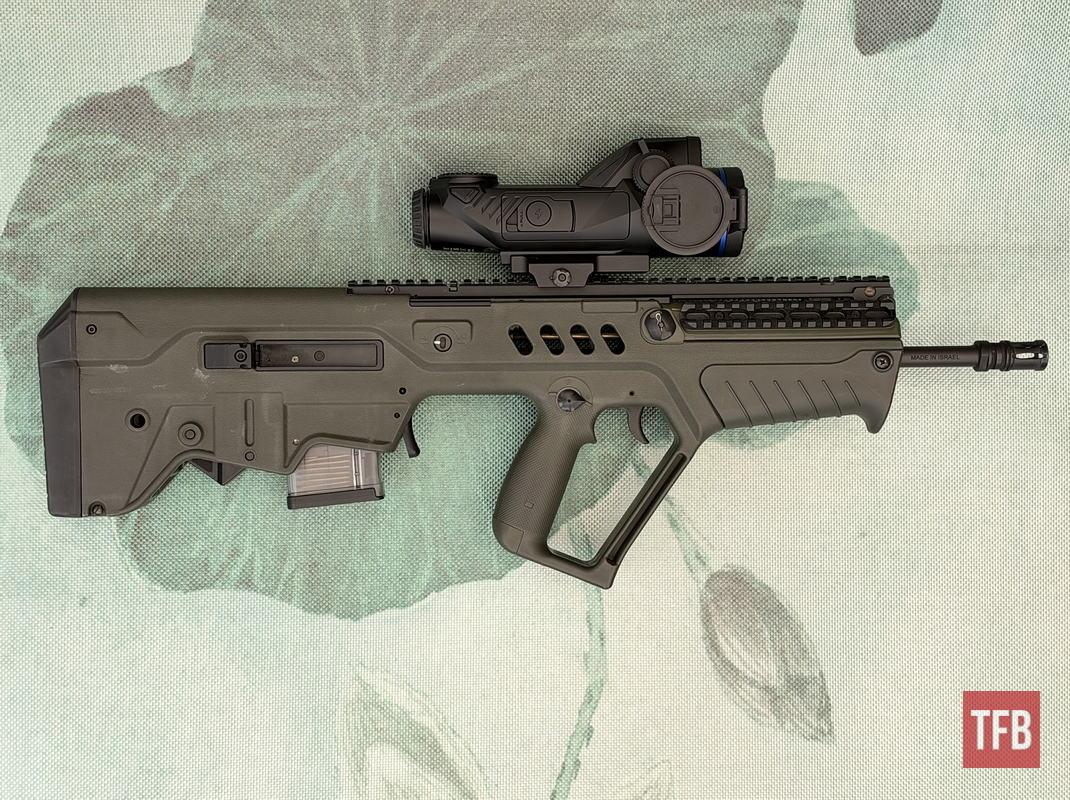
The rangefinder sits in its own small housing rather than inside the germanium lens, so, just like on the Thermion 3, the lens stays whole and there's no stress point from a cut edge under recoil.
A few compatibility notes from my own setup:
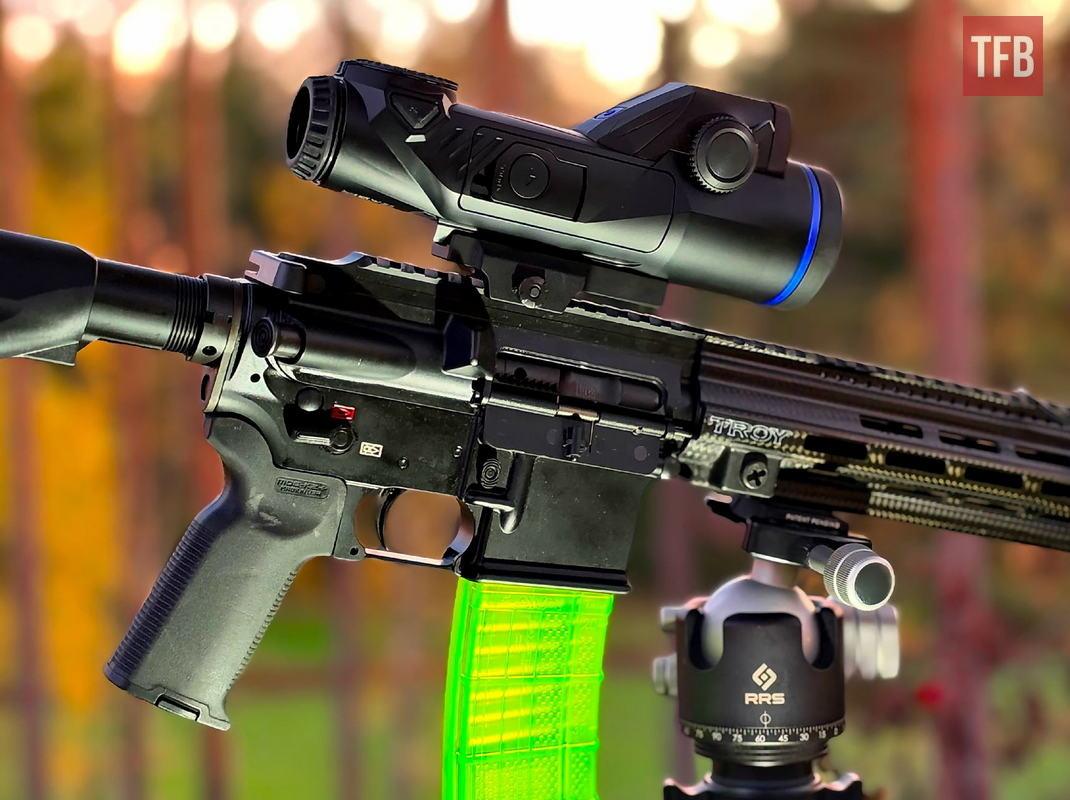
- Mounts: Pulsar's multi-point prism takes the fixed Weaver N and the quick-detach Weaver USQD and Weaver LQD, while a Weaver SQD only comes in some Trail 3 kits. The USQD and LQD also fit the older Trail and Talion. In the US, the XR50 ships with a mount (part number PL76588K); in Europe, ask your dealer what's in the box. I run a Pulsar [MOUNT MODEL] on the AR-10's upper.
- Eye relief: 50 mm (2 in) is relatively common on thermals, but short especially for larger calibers. Use the prism's several mounting holes to slide the scope back until your head lands behind the eyepiece without stretching, and set your stock length before you zero.
- Height on an AR: You need a solid cheek weld on the stock, potentially with a riser. Measure it, because the ballistic calculator needs your sight height.
- Torque: Seat the recoil lug forward in the rail slot and torque the clamp per Pulsar's manual, with a thread locker (not super glue!)
- Batteries: Trail 2 packs don't fit, so budget for a spare LPS 7i.
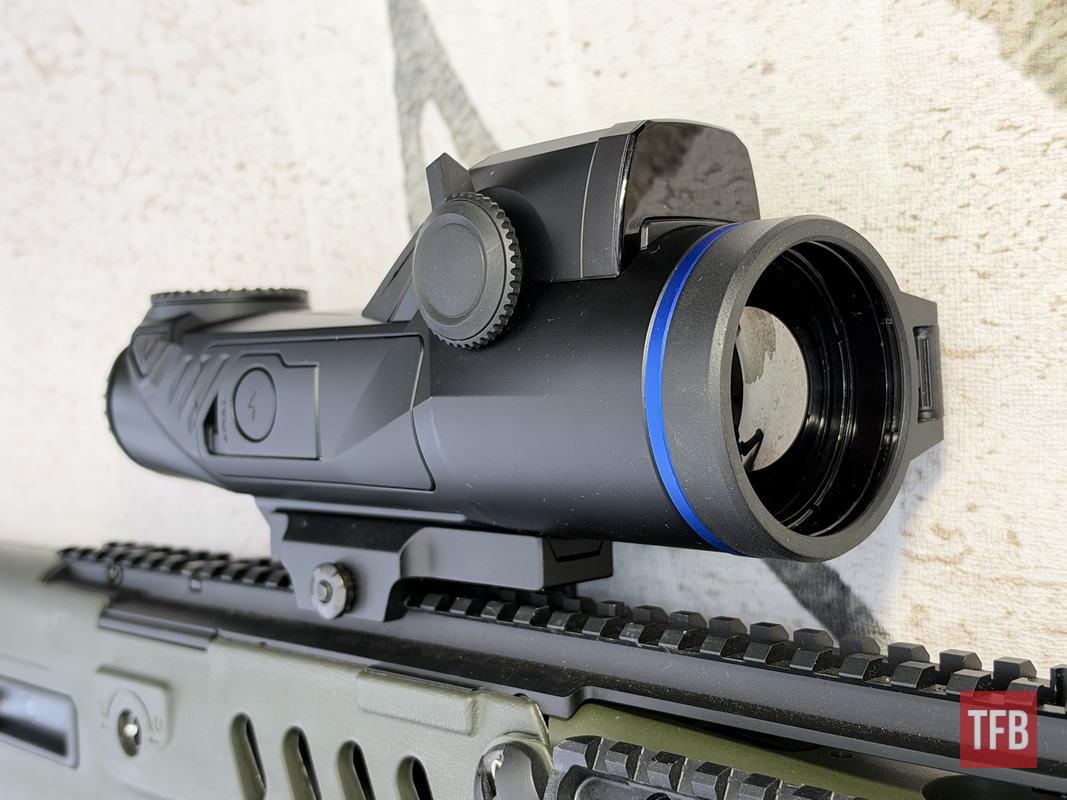
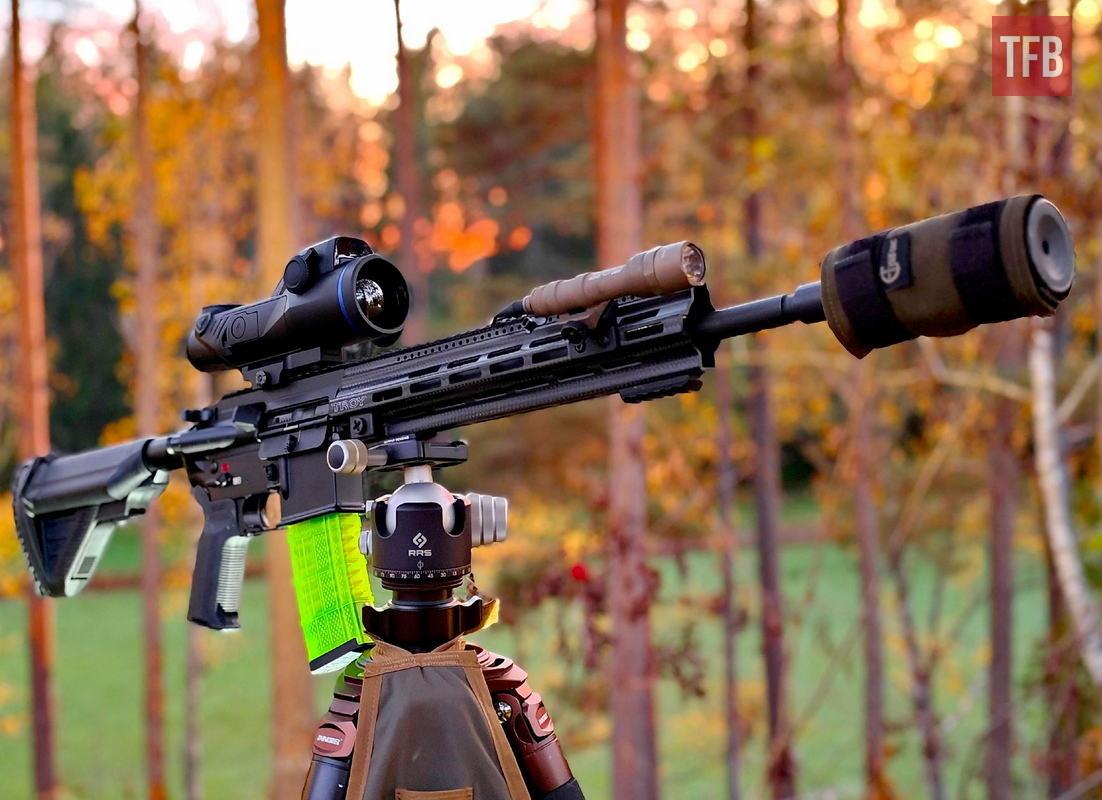
At 0.7 kg (25 oz), it's roughly half the weight of a Thermion 3 and 120 mm (4.7 in) shorter, so the balance of an AR-10 stays between your hands. I'll always choose image quality over weight, but on a rifle I carry all night, the Trail 3's size and lower weight is a real advantage.
Controls: Made for Hunting on the Move
Thermal scopes have a lot of buttons, and at night you work them by feel. As a competition shooter, I know split seconds matter, and that's just as true for hunters. The Trail 3 puts the important controls where your hand expects them: a knurled wheel on top runs the menus and zoom, two customizable shortcut buttons flank it, and the rangefinder has its own button on the side, so I can range without lifting my cheek from the stock. Focus wheels with small levers sit on both sides of the body, which makes the scope as friendly for left-handed shooters as for right-handed ones.
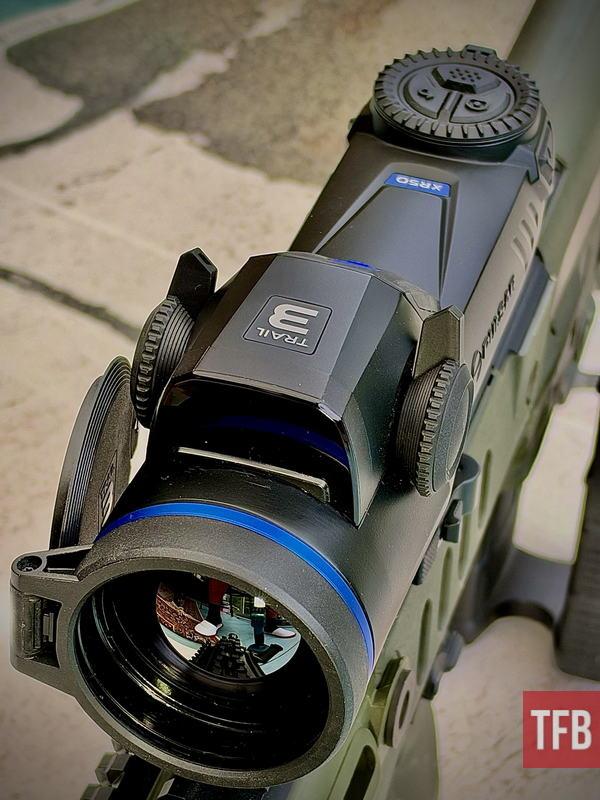
Two features changed how I hunt. The proximity sensor switches the display off when you lift your head, so you don't light up the night with your face or waste battery between looks. The round picture-in-picture shows a magnified circle around the reticle while the rest of the image stays at 3x. When a sounder spreads out across a field, I can check the animal under the crosshair without losing track of the others.
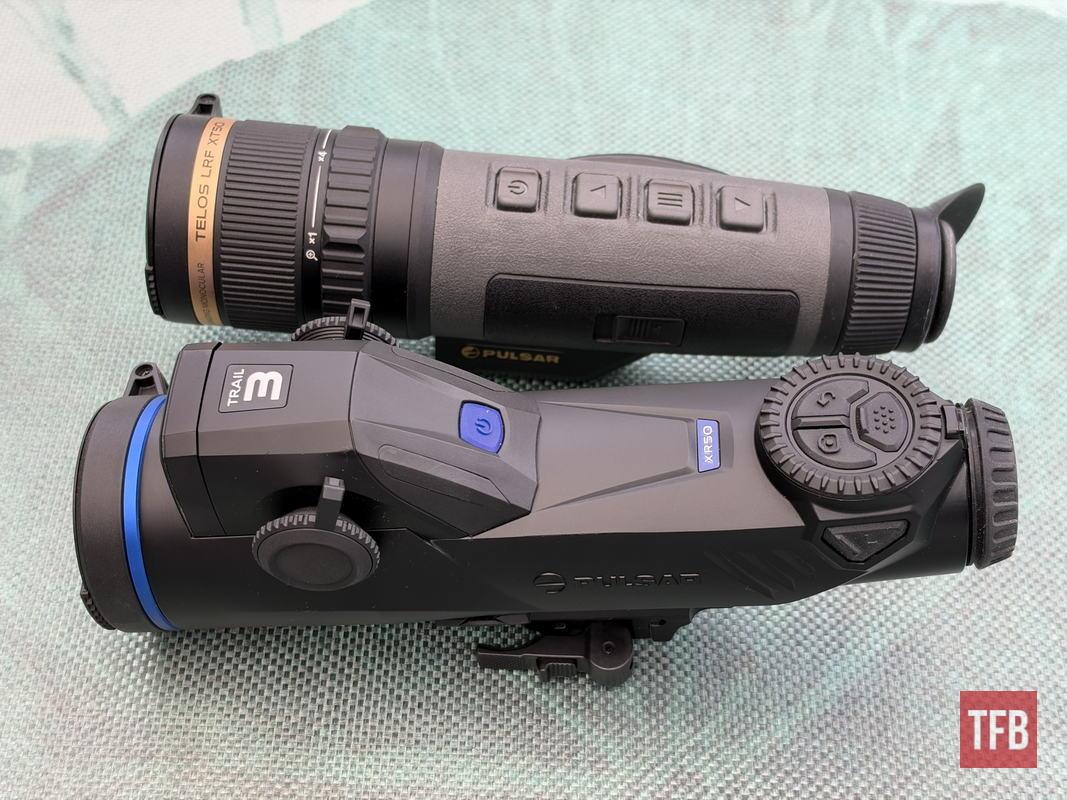
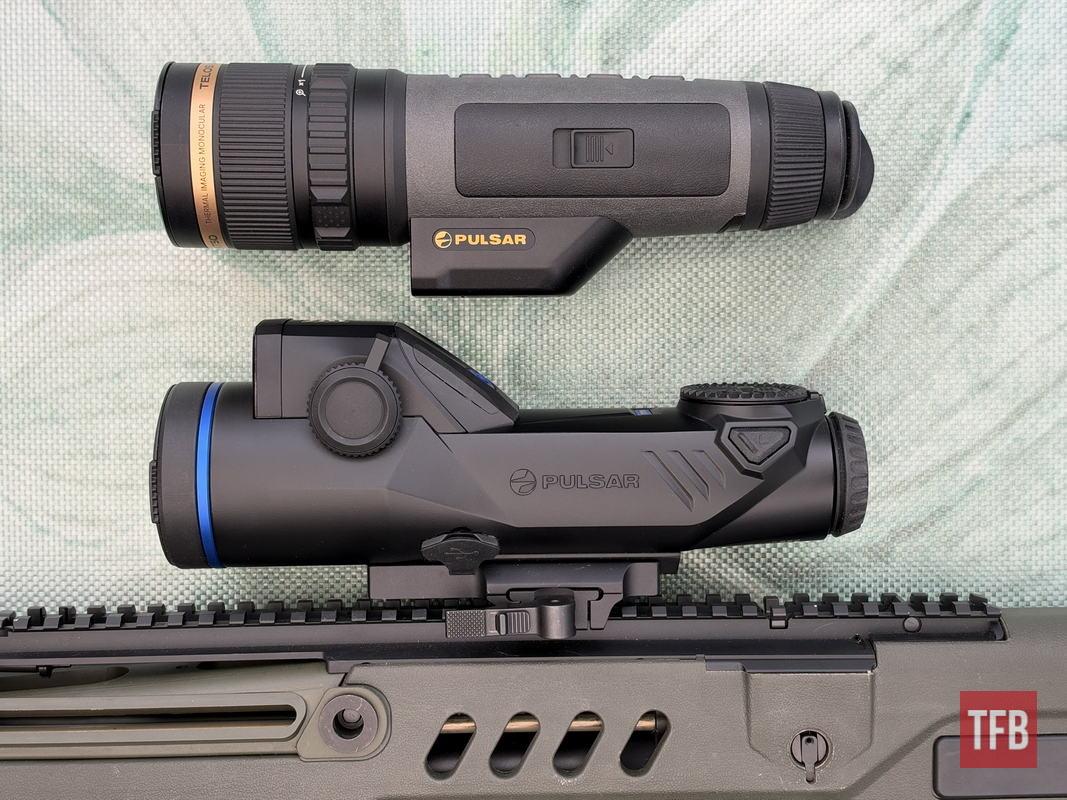
Without over-complicating this review, I discovered that the Trail 3 and the new flagship monocular Telos XT50 share a few similarities, although they do different things and only one can ride a rifle.
My tip: before the animals show up, set focus for the distance where you expect them and leave the zoom at base magnification. Use the PiP to check the animal, and only zoom the whole image to confirm. I’ve seen hunters crank up the zoom, lose the surroundings and then blame the scope for its lack of image. More magnification doesn’t always equal better.
On this level, I'm going to be picky. After two months with the Thermion 3's new LPVO-style zoom ring, I miss it on the Trail 3, where zoom is on the wheel. And in automatic calibration mode, the shutter clicks and the image freezes for a moment, which tends to happen exactly when an animal stops. I switched from the semi-automatic calibration and trigger it myself manually as I settle in. Neither is a deal breaker, and both are the kind of thing you train around, or get used to.
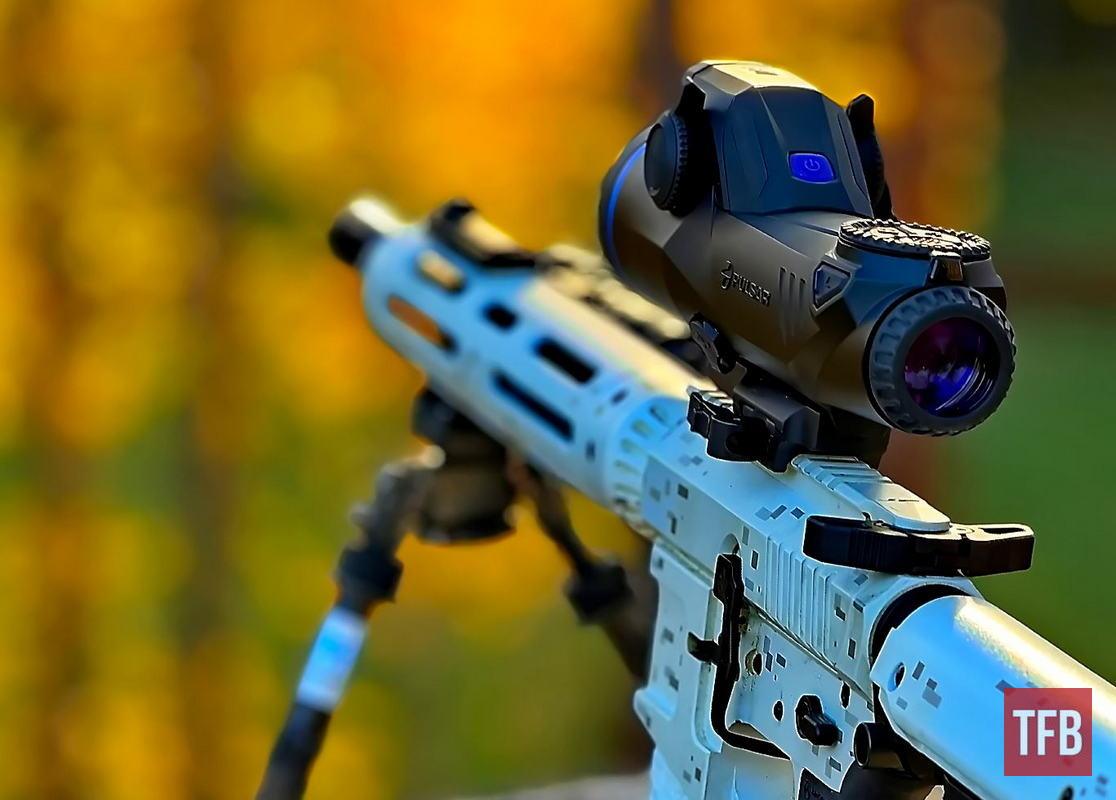
Image Quality: From Detection to Identification
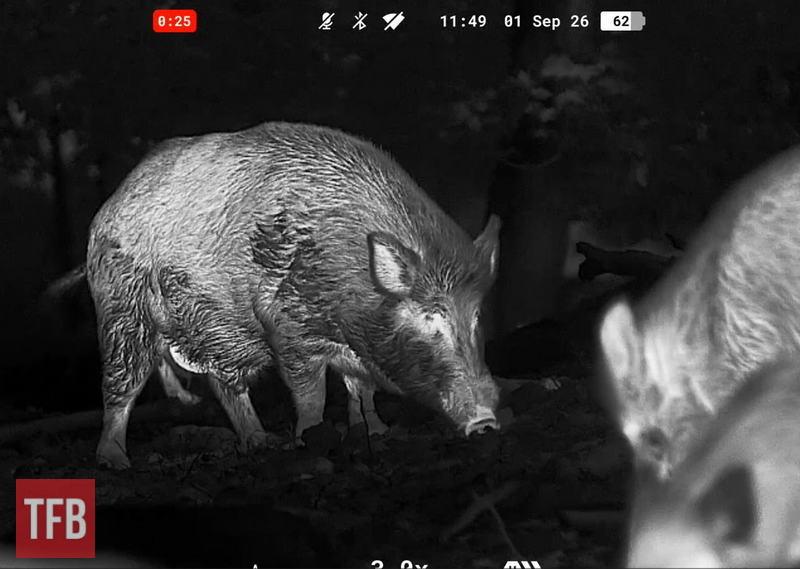
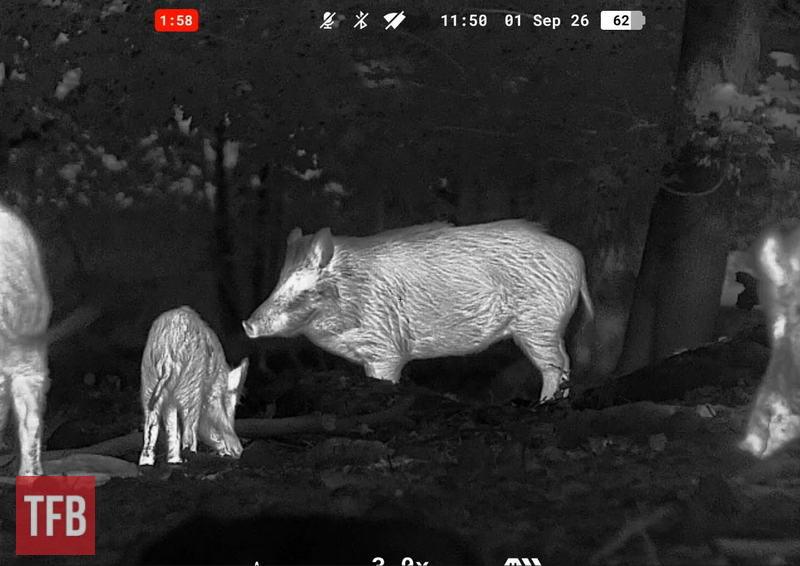
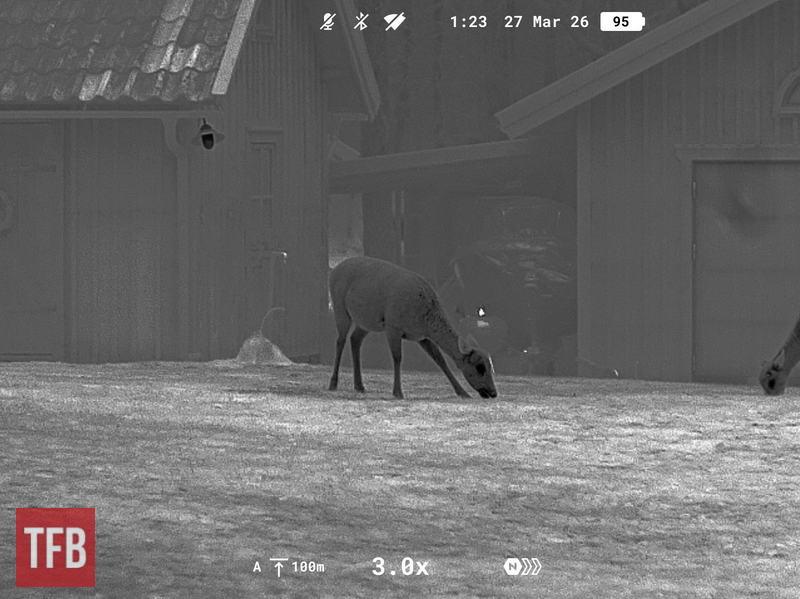
Any modern thermal will find a warm spot at 500 m (550 yd), or much longer, so detection is not the hard part. What matters is identification: what is it, and is it the right one? That's why I bought the XR50 and not the cheaper XQ50. The 640 sensor behind a fast F1.0 lens gives a clean image with real texture, and the Full HD AMOLED display shows it without the grainy look of older thermals. The fallow deer below is about 100 meters away. Black hot is great on fields in the fog or rain like here.
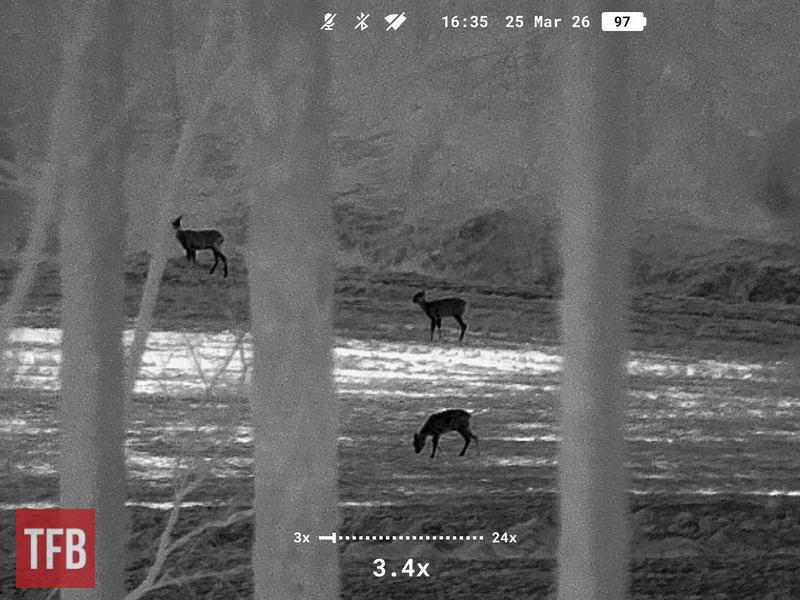
On a dry, cold night, I can tell a boar from a roe deer or a fox even at fairly long distances. To judge size and sex in a sounder is always much more difficult, and nothing that a lot of hunters even think about - it all depends on the local legislation, which this article cannot cover. With a thermal, there are many factors that decide the image quality, and every night is unique.
Below is a squirrel in a tree. I think the distance was about 25 meters.
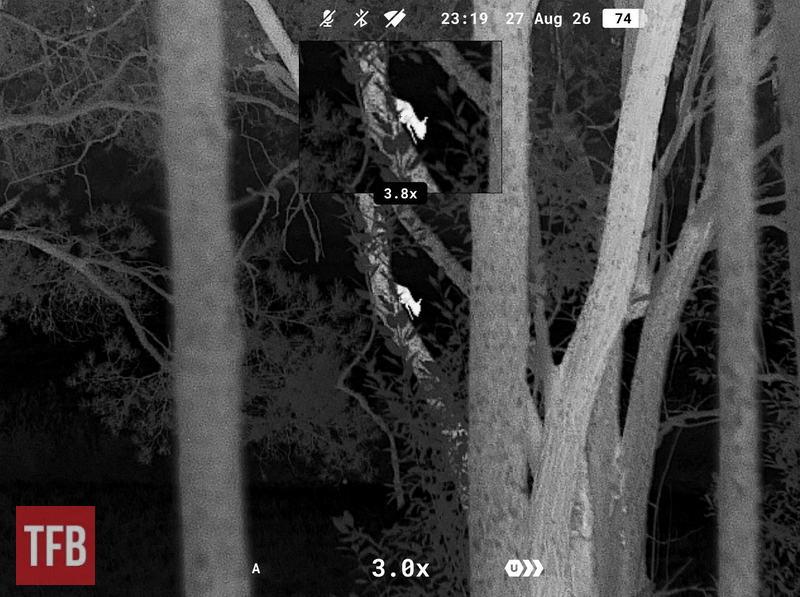
Let’s get technical; here's how the numbers work out: The Trail 3 XR50 and the Thermion 3 XT60 use the same 12 µm sized pixels, but the Trail 3 has 640 of them across instead of 1280, behind a 50 mm lens instead of a 60 mm. That gives a 3x base magnification and 15.4 m at 100 m (46 ft at 100 yd), about 60% of the Thermion 3's width, with roughly 80% of its detail on the animal at the same magnification. For shot placement, what matters most is an outline crisp enough to see the shoulder and the front leg.
Wet weather is where cheap thermals fall apart. When everything trends toward the same temperature, contrast drops and the image goes flat. Pulsar has a good reputation for handling fog and humid nights, and the Trail 3 lives up to it, even if the Thermion 3's 1280 sensor holds a little more texture in the same fog.
Laser Rangefinder and Ballistics
Judging distance through a thermal is much harder than most hunters think. There's no color, no shadow and very little depth in the image, so a boar at 140 m (153 yd) can look like one at 80 m (87 yd). I hear about these mistakes quite often, and a built-in rangefinder removes them. Press the side button and the distance and angle show at the bottom of the screen, without moving your head off the stock. There's also a scan mode that updates continuously as you sweep across the terrain.
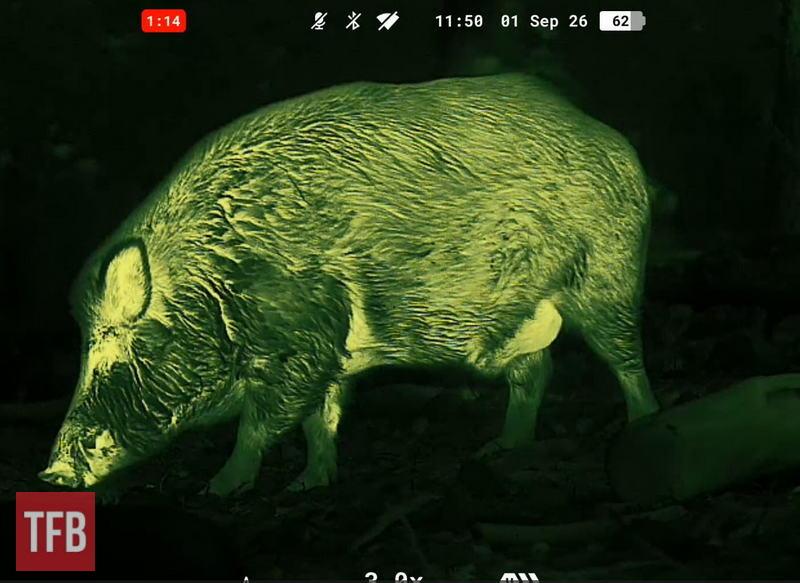
Pulsar rates it to 1,200 m (1,312 yd), up from 1,000 m (1,094 yd) on the Trail 2, which is far beyond any shot I'd take at night. Like every civilian rangefinder, it won't read through thick fog, so learn the distances on your own hunting grounds.
For ballistics, I build profiles in the Stream Vision Ballistics app and send them to the scope, which then shows a suggested point of aim after each reading. A ballistic solution is only as good as the data you feed it, so measure your muzzle velocity, measure the sight height on your AR (thermal mounts sit high), and confirm at the distances you actually shoot. With my load, most boar shots fall inside the flat part of the trajectory, so I mainly use the calculator to confirm my hold. But don’t underestimate the fun you can have on a range covered in steel at various distances; once you get going, the result will astonish the crowd around you.
There are ten zeroing profiles and a cant indicator on screen, which is handy when you shoot off uneven ground or from a high seat rest that isn't level.
Zeroing and Ten Months on an AR-10
Zeroing takes a few minutes once you know the routine. Fire at a thermal target, freeze the image, move the reticle onto the hole and confirm with a group. Each click is 10.7 mm at 100 m (0.37 MOA). One tip that saves a lot of frustration: turn the eyepiece until the reticle and icons are sharp before you focus the lens, not the other way around.
The recoil-activated video works on mine, so if you like every shot ends up on video for checking the hit afterwards.
Battery and Power
The Trail 3 runs on a removable LPS 7i pack (6,400 mAh), rated for up to 11 hours at 22 °C (72 °F). Wi-Fi, recording and the rangefinder cut into that, and so does cold.
In practice, I keep a spare LPS 7i in an inside pocket, where body heat keeps it warm, and never worry about runtime. The scope also takes USB-C power, so a power bank works for a long night in a high seat. Yes, the battery is proprietary, and some hunters would rather swap cheap 18650 cells. The trade-off is a sealed pack that swaps in seconds even with gloves on, and for me that's worth the price of a second pack.
In the Field: Wild Boar, Hogs and Coyotes
The typical hunt doesn't exist, and that's the exciting part. In some places, thermal riflescopes have been legal since they became available; in other areas they are strictly forbidden. I am only allowed to hunt wild boar unless I get a special permit, so boar is what this scope has hunted. Most of my nights are a high seat along a field edge, or a slow stalk along the tree line when the sounders are working the crops. A suppressed AR-10 with the Trail 3 is close to ideal for that: short enough to carry through the timber, quick to bring up, and fast on a follow-up shot.
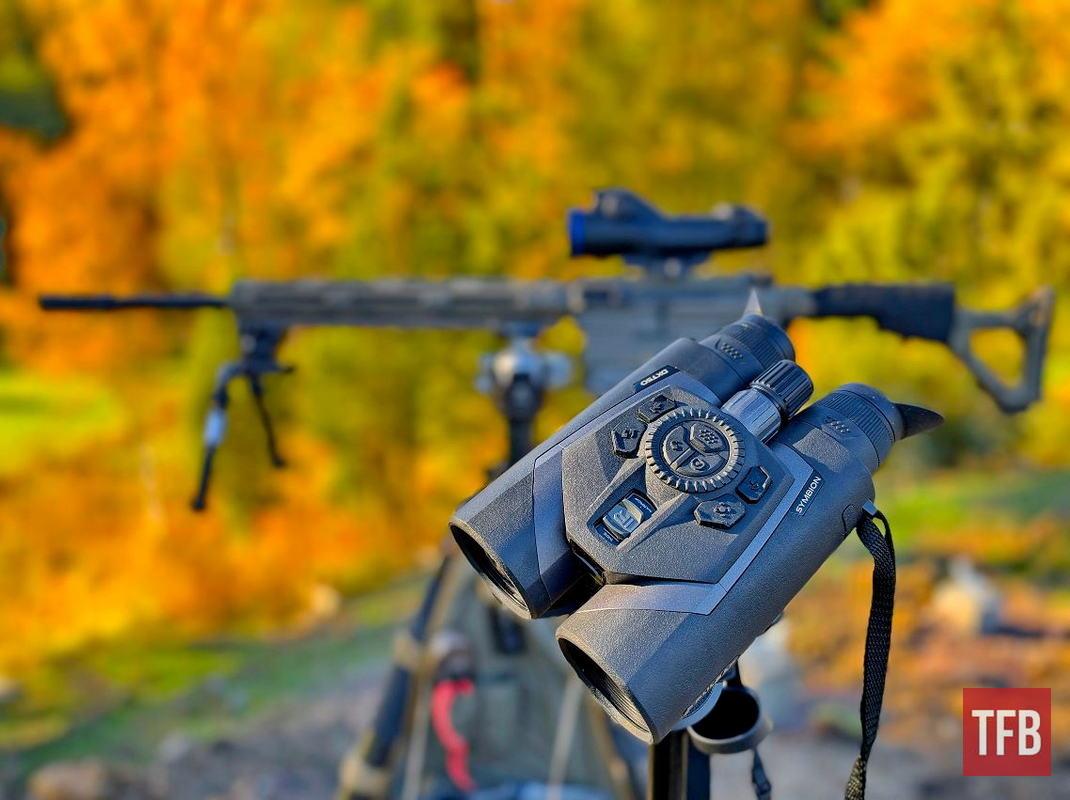
Coyotes (or foxes). On a calling stand, the 640 sensor pays off when a dog shows up at the field edge and you need to identify it before it commits. The view is narrower than on a Thermion 3, so you scan a bit more, but the PiP keeps you on the animal once it's found.
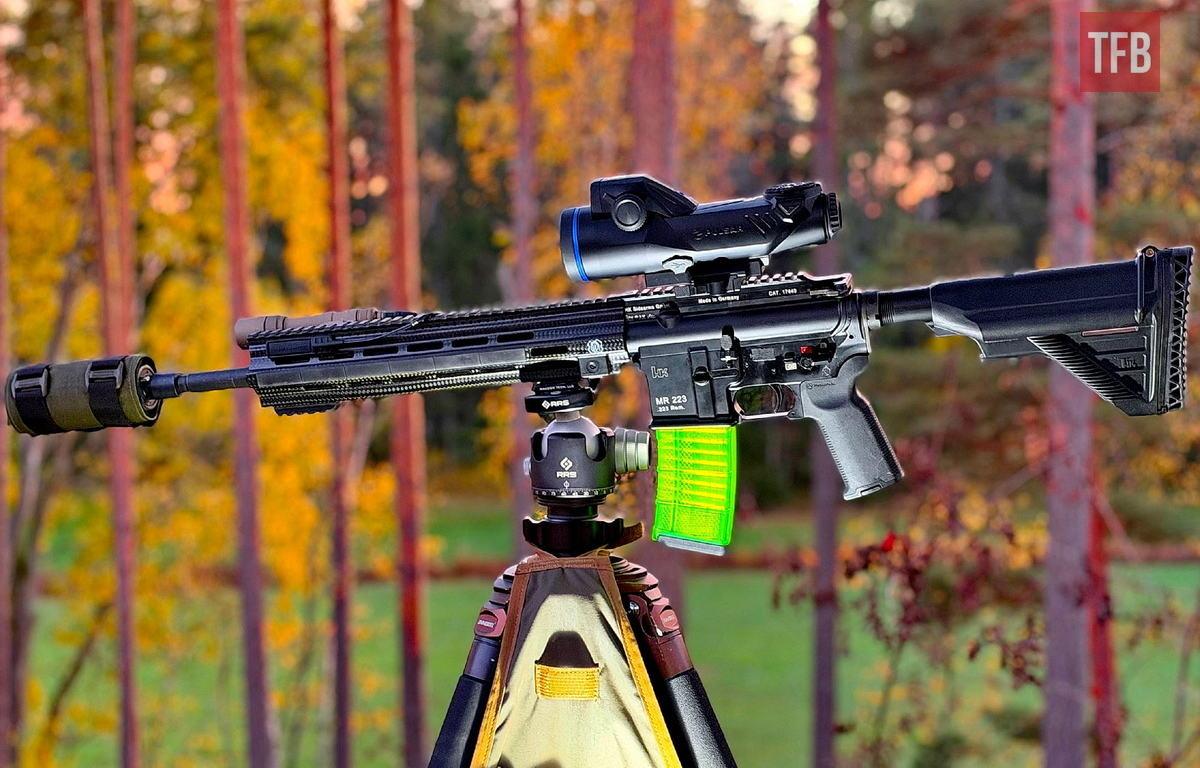
For a rifle you carry on foot, the Trail 3 is my pick. If you hunt from a stand or a high seat and image quality comes first, read the Thermion 3 comparison below.
Trail 3 vs Trail 2: Should You Upgrade?
I think most hardcore night hunters have already made the jump. If you're still running a Trail 2 LRF, here's how I'd think about it.
Before we begin, let me remind you what the Trail 2 looked like. The LRF was really enormous then!
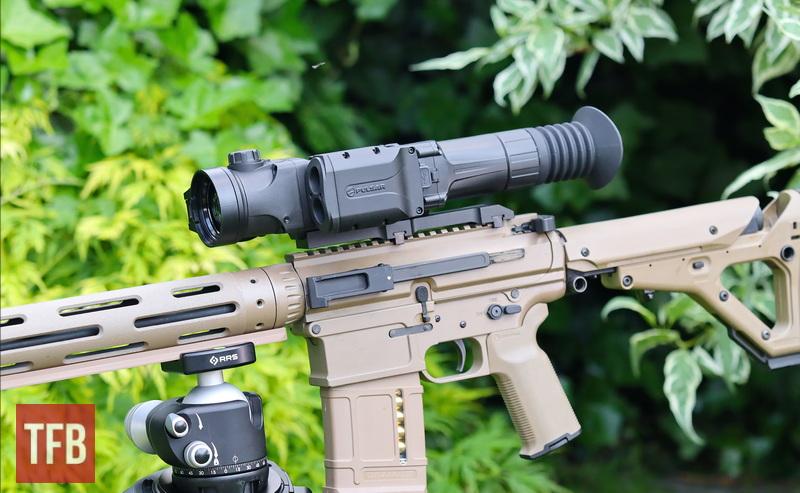
The Trail 3 LRF XR50 is better almost everywhere that matters at night: a Full HD display, a rangefinder that reaches 200 m (219 yd) further but, more importantly, faster, four times the recording memory and roughly three more hours of battery. Add the bilateral focus wheels, the round PiP, the proximity sensor and a cleaner menu, and it's simply faster to use when an animal steps out. It's also 76 mm (3 in) shorter.
What you give up is width. The Trail 2 LRF XP50 has the same 640 pixels, but larger 17 µm ones, so it shows 21.8 m at 100 m (65 ft at 100 yd) against 15.4 m (46 ft) on the XR50. The XR50 packs its pixels into a narrower view, which puts about 40% more of them across the animal at any distance. You trade width for detail.
As an example of detail, below is a birdhouse at 24 meters. Note the PiP and check out the details. Normally you don’t look down on birdhouses, but it’s pretty steep in some places where I hunt.
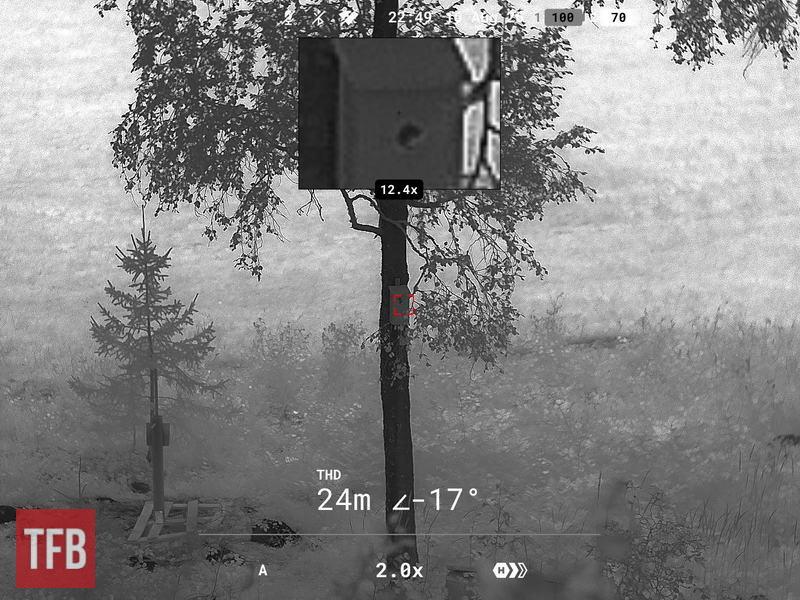
If you own a 384 Trail 2, upgrade; the step to the XR50 is big enough to see on the first night. If you have a Trail 2 LRF XP50 and mostly hunt dense forest inside 100 m (109 yd), your scope still does the job, and its wider view is an advantage there. Upgrade if you hunt fields, need to judge animals in a group at a distance, or are tired of short battery life.
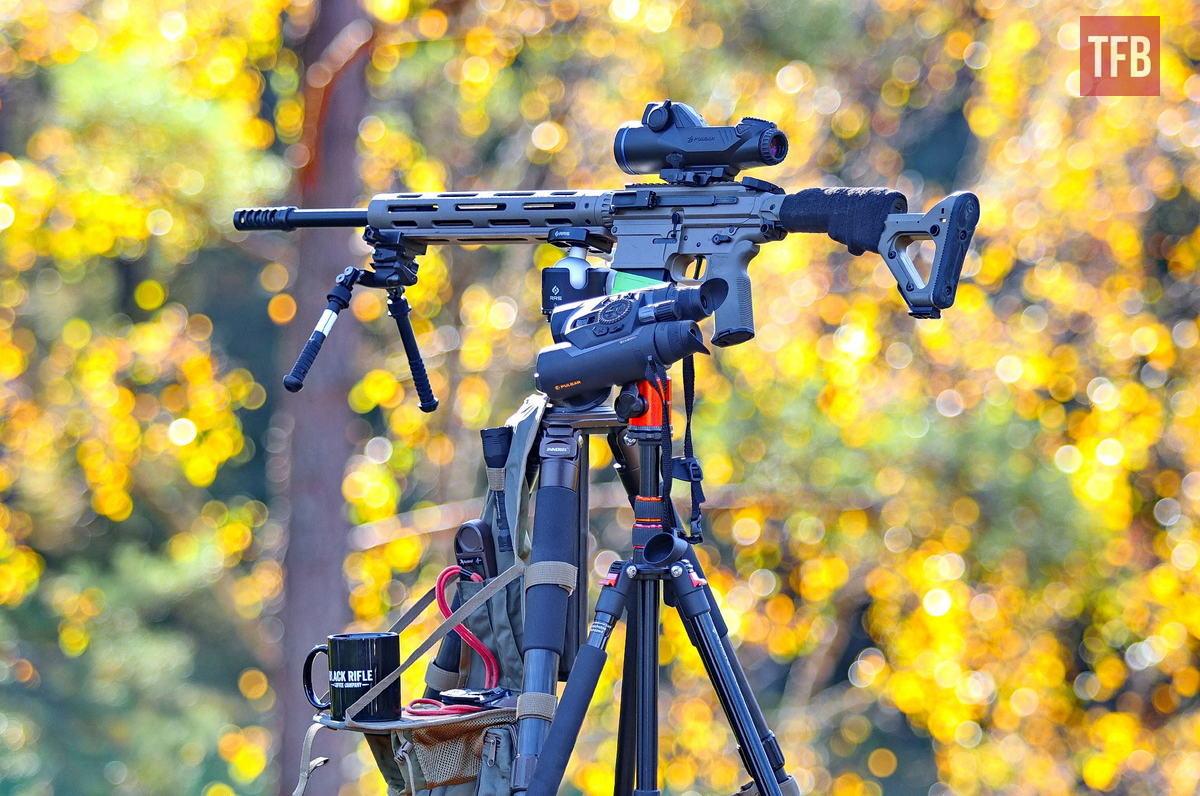
Sometimes I bring my whole coffee table to the fun; the Armageddon Gear tripod caddy is great for many things.
Trail 3 LRF XR50 or XQ50?
The XQ50 is the same scope in the same body, with the same display, rangefinder, ballistics and controls, for $2,999.97 against $4,199.97 in the US (prices may vary). I haven't hunted with it, so take this as reasoning, not testing. Its 384 sensor with 17 µm pixels starts at 3.5x and shows 13.1 m at 100 m (39 ft at 100 yd), a little narrower than the XR50, with about 30% fewer pixels across the same animal. In return, you get slightly better sensitivity (under 15 mK against under 18 mK), which Pulsar tunes for fog and low-contrast nights, and an hour more battery.
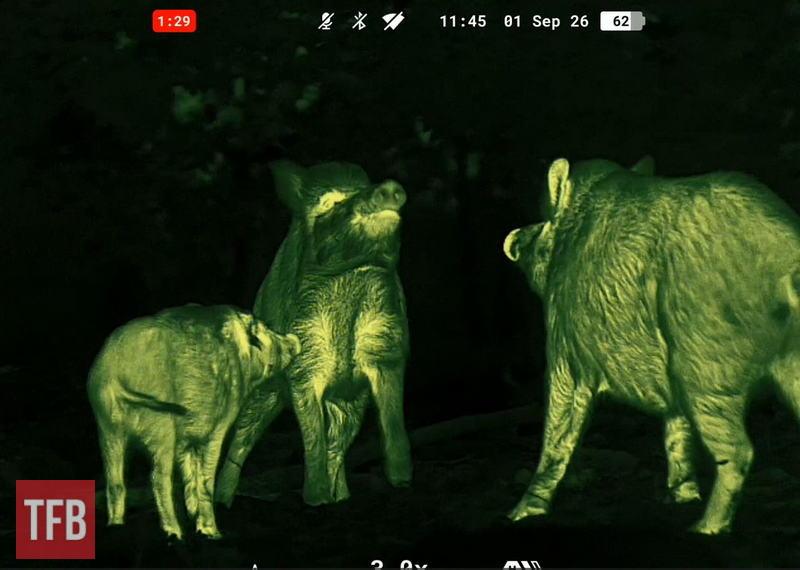
For forest boar inside 100 to 150 m (109 to 164 yd), at bait sites, or for a hunter who wants a reliable thermal with a rangefinder without paying for top-end detail, the XQ50 is the smart buy. If you hunt fields, need to pick one animal out of a group at distance, or want footage worth sharing, spend the extra on the XR50. I did, and I don't regret it.
Trail 3 vs Thermion 3
If you want the best thermal riflescope Pulsar makes today, that's the Thermion 3 LRF XT60, and in my review I called it the best thermal riflescope I've tried. Its 1280x1024 sensor shows 25.7 m at 100 m (77 ft at 100 yd) at 2x, against 15.4 m (46 ft) on the Trail 3, with more detail at the same time. It mounts in 30 mm rings, looks like a classic day scope, gives you 65 mm (2.6 in) of eye relief, and has an LPVO-style zoom ring that I prefer over the Trail 3's wheel. This image says a lot.
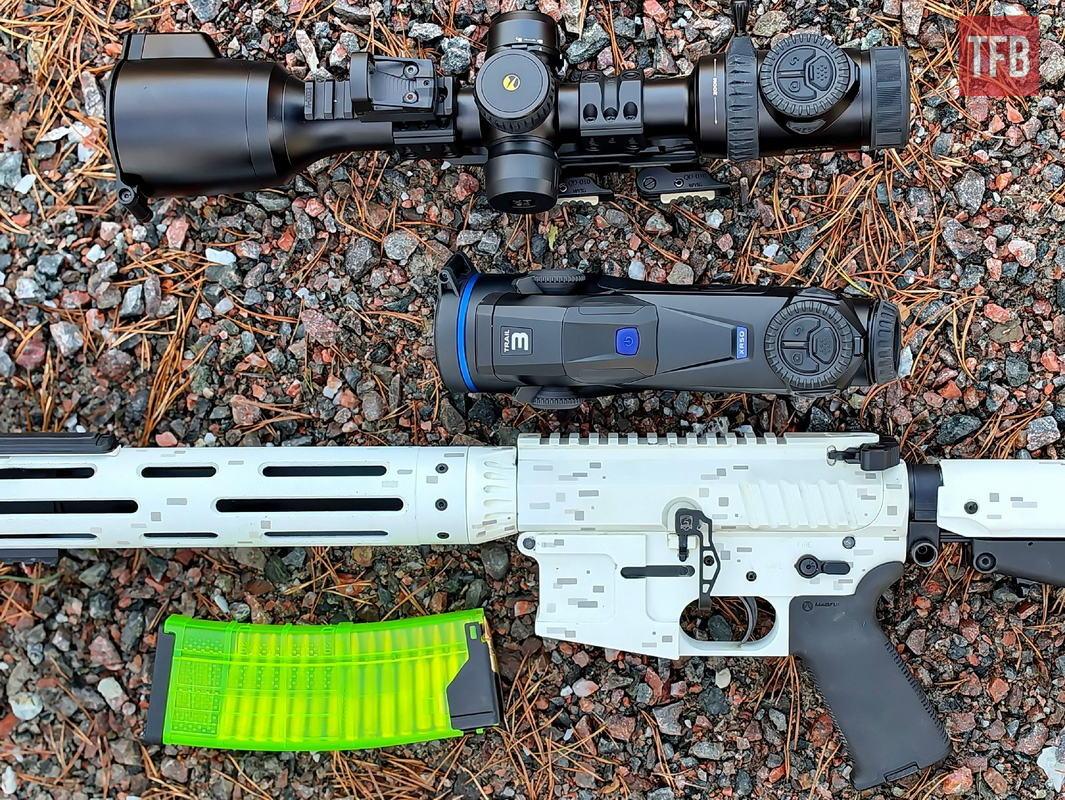
The price is size, battery and money. The Thermion 3 is 391 mm (15.4 in) long and weighs 1.30 to 1.36 kg (46 to 48 oz) before the mount, against 271 mm (10.7 in) and 0.7 kg (25 oz) for the Trail 3. It's rated for 8.5 hours of battery against 11, and it lists at $6,699.97 without a mount, $2,500 more than the Trail 3 XR50.
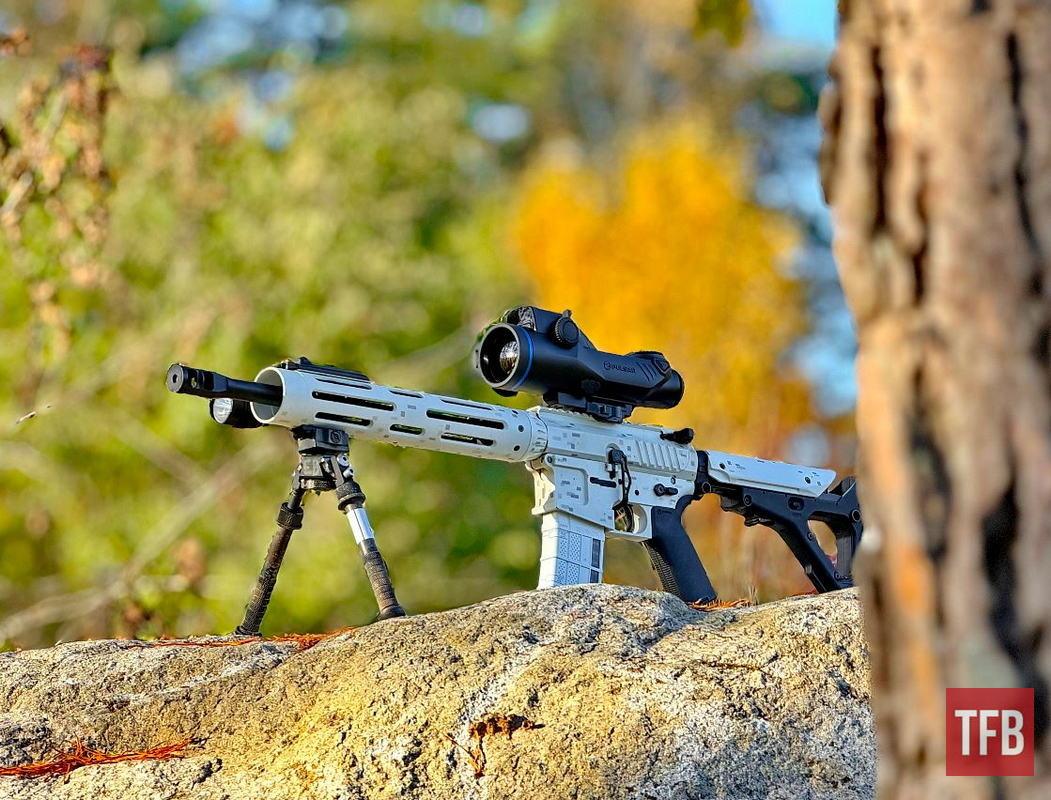
When image quality is everything, the Thermion 3 is my first choice, on a bolt gun or a semi-auto. Once you've looked through 1280 HD in a riflescope, it's hard to go back. But if you move a lot, hunt shorter forest distances with an AR, or have a budget to respect, the Trail 3 is the better tool, and that's why it's still on my AR-10. There's also a Thermion 3 XR60 at $4,699.97, with a 640 sensor behind the 60 mm lens. I haven't tried it, but it's a narrower, longer-reaching scope made for open fields rather than the forest.
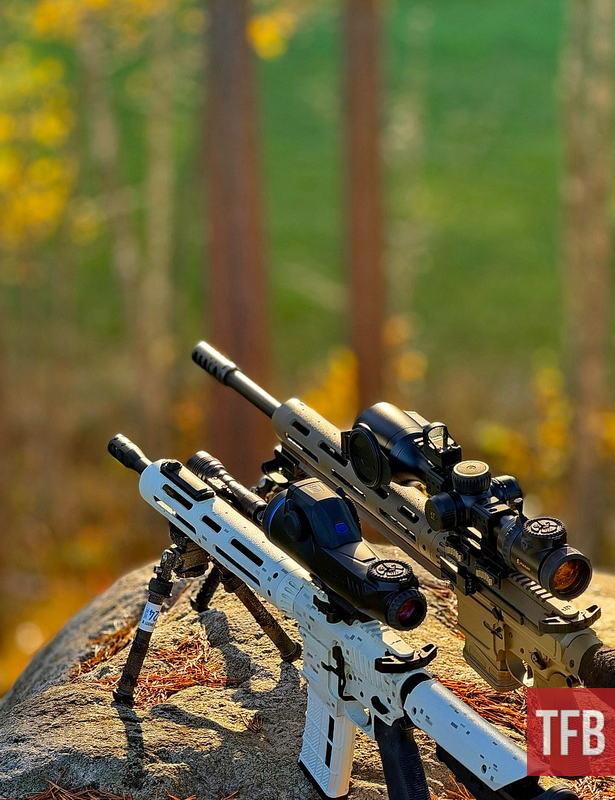
At this point, I wouldn’t recommend anyone going below 640x in thermal sensor (but there’s more to it).
Would I Spend My Own Money?
I already did, and I'd do it again. I'm the kind of hunter who chooses image quality over weight, which is why I bought the XR50 and not the XQ50. For a rifle I carry all night, it's the thermal I'd buy again. I will most likely find a way to keep the Thermion 3, and keep both.
Final Thoughts
- 640x480 thermal with a Full HD display that lets you identify animals, not just detect them.
- Compact 271 mm (10.7 in) monoblock that suits an AR-10 or AR-15 and leaves the handguard free.
- Fast 1,200 m (1,312 yd) rangefinder tied into the ballistic calculator, used without breaking your cheek weld.
- Round PiP and a proximity sensor that blanks the display between looks.
- Focus wheels on both sides, friendly to left-handed shooters.
- Quick-swap LPS 7i battery rated for 11 hours, plus USB-C power.
- Rated for 6,000 J of recoil, and the zero has held on my AR-10 over time.
- Holds up in rain, fog and frost.
The Trail 3 LRF XR50 doesn't try to be the widest or the sharpest thermal in Pulsar's line; that's the Thermion 3's job. What it does is give a hunter on foot a detailed image, a rangefinder and a full night of battery in a package that almost disappears on the rifle.
The eye relief is short and the zoom sits on a wheel rather than a ring. Some of the mounts on offer could be improved, but there are OEM options as well. Those are minor things, and I'd rather train around them than carry a heavier scope through the forest every night. Like the Thermion 3, it also comes from a European manufacturer (Pulsar is based in Lithuania), which matters to a lot of hunters.
Manufacturer pages: Pulsar US and Pulsar Europe/global.
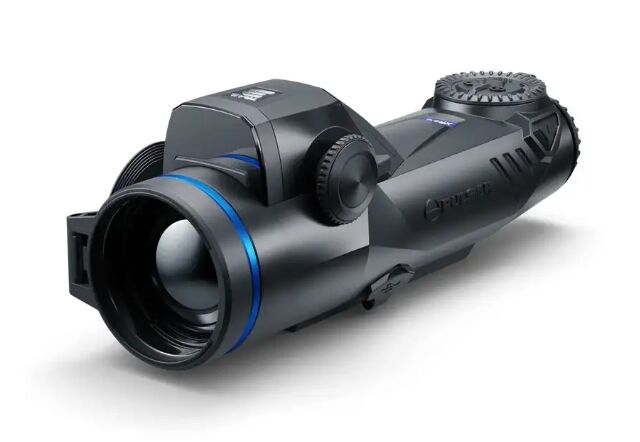
Pulsar Trail 3 LRF XR50 Thermal Riflescope
We are committed to finding, researching, and recommending the best products. We earn commissions from purchases you make using the retail links in our product reviews. Learn more about how this works.
If this post has you ready to hit the range, head over to gunranges.com - a free directory to help you find shooting ranges near you, wherever you are in the United States.
Related Topics: