Think NRL and PRS Can’t Help You Shoot Your Classic Hunting Rifle Better? Think Again
At Outdoor Life we believe that hunting and competitive shooting go hand in hand. In my younger years, that meant honing my shooting fundamentals behind a service rifle at 200, 300, and 600 yards. Today, it’s NRL Hunter, PRS, and NRL-style rimfire matches.
I’ve seen, and written a lot about, how it’s helped improve my shooting in the field, but we do get feedback from self-described “normal hunters” who just want to hunt with their classic rifle, and don’t find all the gadgets, gizmos, and high-tech guns appealing, applicable, or useful.
But even if you have no interest in competing, there are still lessons to learn from those competing at the highest level in these disciplines — and techniques that can help you shoot the rifle you already have better than ever.
Managing Recoil: Get Behind the Rifle
An area where virtually every hunter can improve their shooting is recoil management. This no longer means whether little Billy can touch off Dad’s .30/06 without cookie-cutting his eye or crumpling to the ground like a wet towel. Effective recoil management means the kick of the rifle will disrupt your shooting position and sight picture as little as possible.
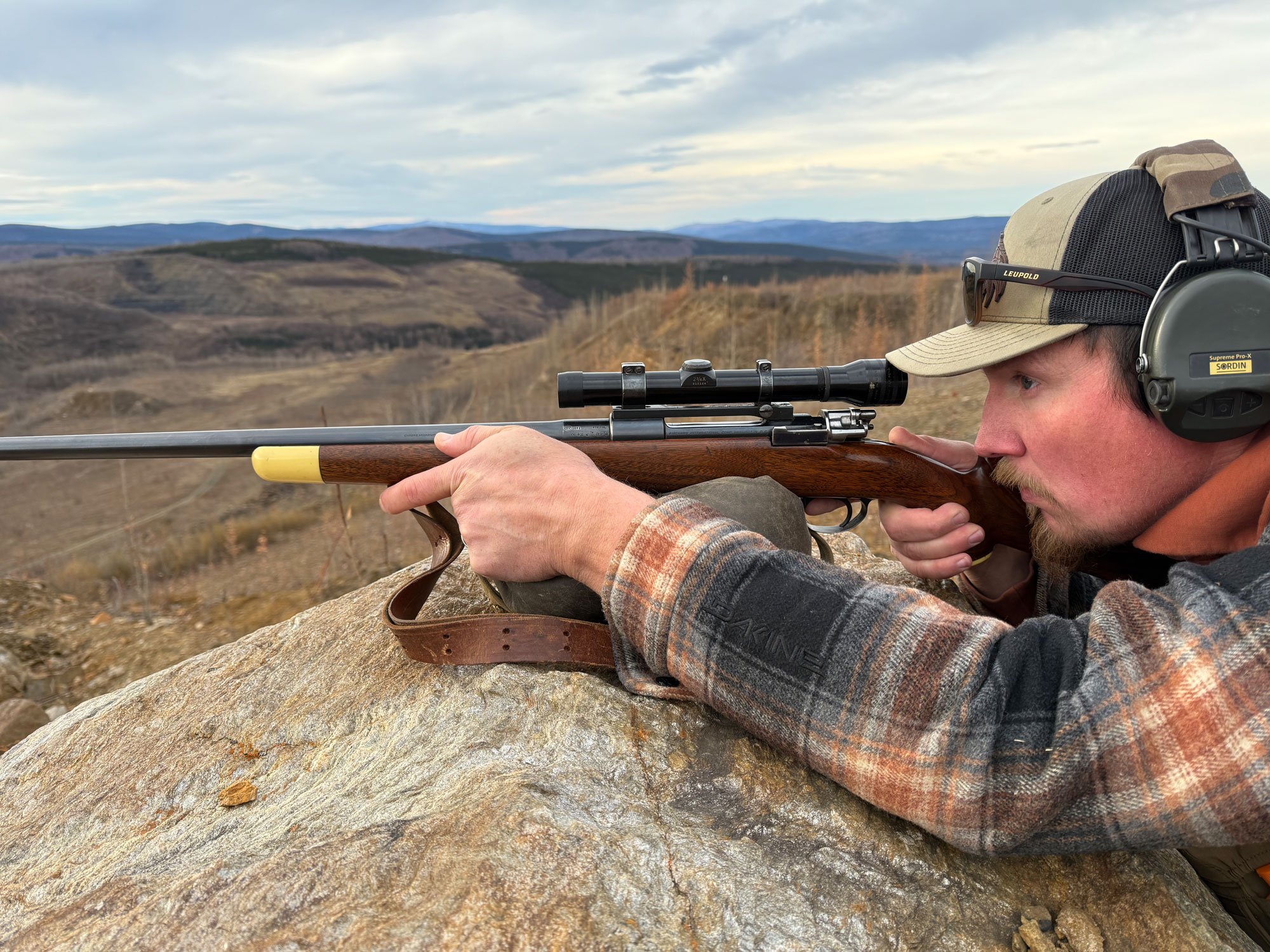
The most common deficiency is the tendency for hunters and shooters to blade their body. That means that your shoulders are angled, and not perpendicular to the line of the bore. Often, a shooter’s non-shooting shoulder will be rotated forward, and the stock rests on the shoulder to the rear. This is commonly referred to as being “bladed.” The problem can be fixed by getting your body square to the butt of the rifle, so that the recoil impulse runs straight back.
Even in light-recoiling, braked competition guns, high-level shooters notice a distinct difference in how much their sight picture moves — which makes spotting impacts more difficult and slows down follow-up shots. When your body is rotated out of square of the rifle, stability is more difficult to attain and the force of the recoil from, say, an old Winchester .30/06 will cause both the rifle and your body to shift out of position. If you’re shooting a classic-style hunting rifle, it’s usually unrealistic to spot your shot impacts, but properly positioning your body will help ensure that the rifle settles back onto target after recoil.
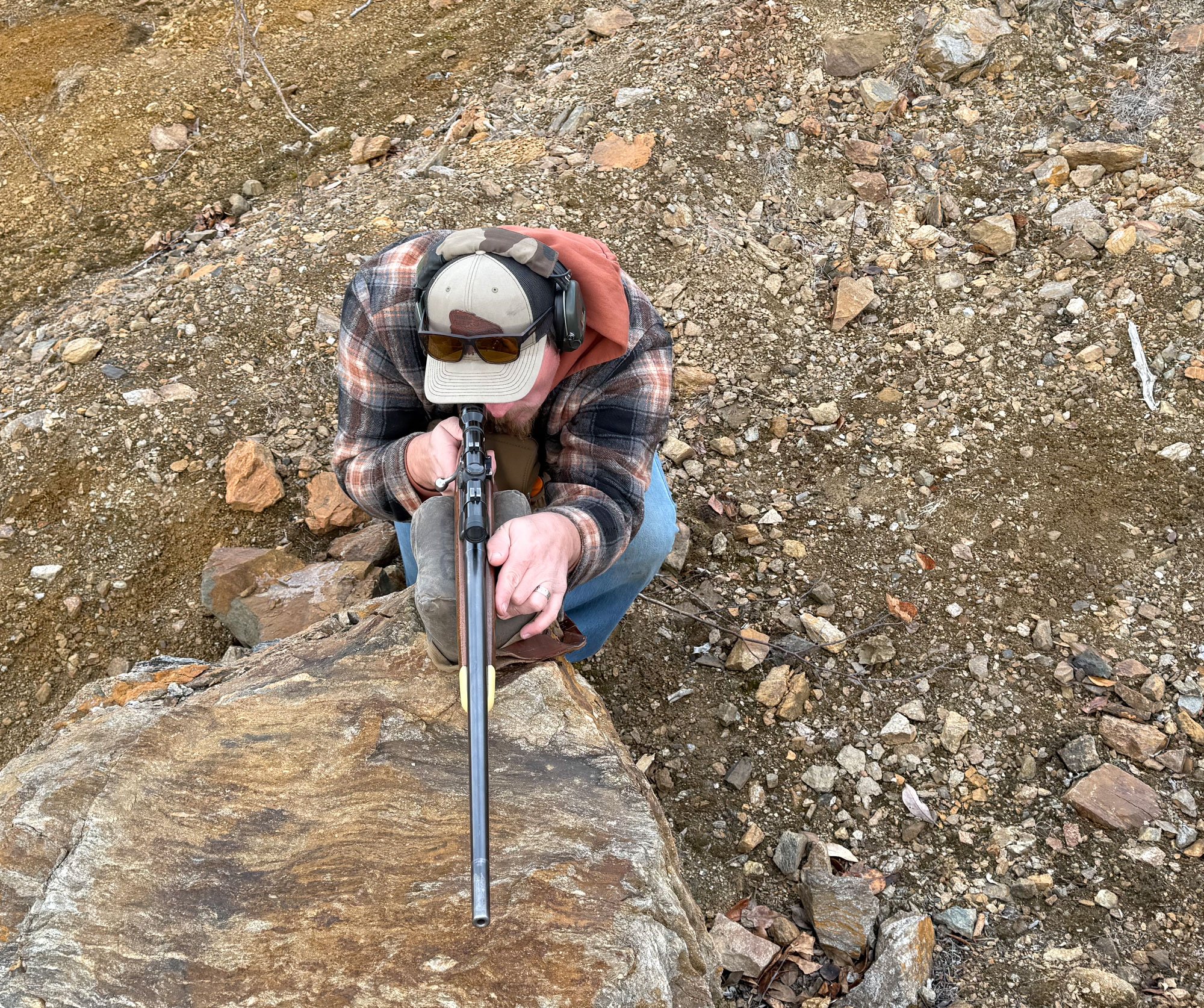
This change of position might feel awkward at first, especially if you’re used to shooting with the rifle coming across your chest. You might also need to move your scope rearward to get the proper eye relief. But from the bench, prone, sitting, or standing off shooting sticks, getting yourself square with the gun will increase your stability and your ability to run your rifle decisively and make quicker follow-up shots when you must. If you’ve come up with old-school offhand positional shooting techniques, you’ll still likely be more accurate with slow, single shots in a traditional bladed position because torso twisting and tucking the support elbow adds stability. However, if your offhand shooting is at ranges of 100 yards or less, or you commonly hunt driven game, a squared-off position will help you control your body and rifle better, and you can more easily run your bolt from the shoulder without breaking position.
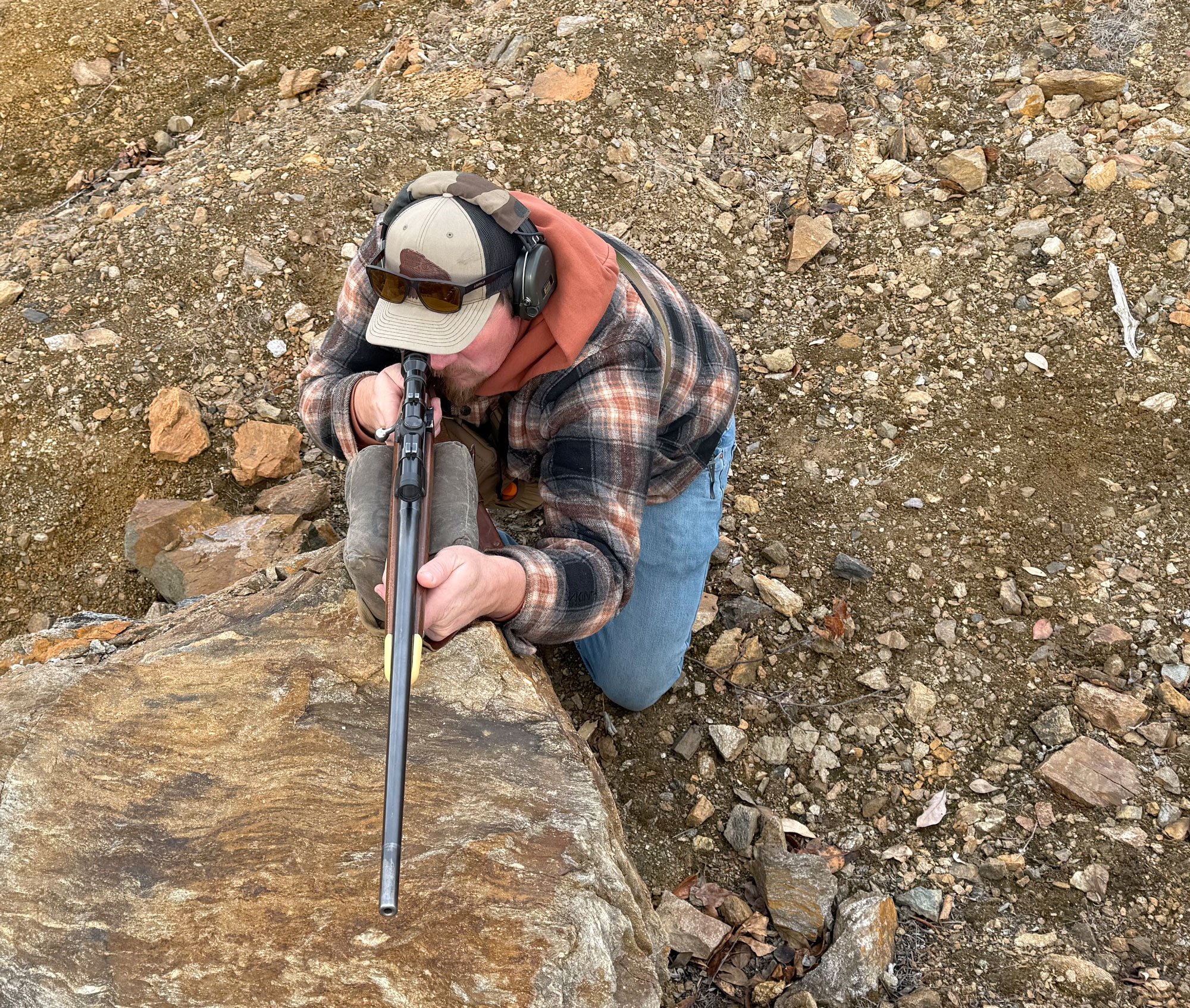
As you’re trying this out, pay attention to how your rifle reacts under recoil — it can give you clues as to how you can improve your position. If your rifle tents to jump to the right (for a right-handed shooter), your body might still be too bladed. The rifle will follow the path of least resistance under recoil, and if your sight picture jumps to the left, you might be pressing too hard onto the comb with your cheek.
Grip It Right
The first introduction I had to a modern shooting grip came in 2009 from my buddy Richard, who was a Marine Scout/Sniper. Until then, I’d always wrapped my thumb around the grips of my bolt action rifles, using a firm handshake’s worth of pressure to control the gun. Richard pointed out that, by resting the thumb atop the tang or alongside the grip, you can greatly reduce the torque or twisting force you’re putting into the gun.
This technique has become much more common in the years since, and modern precision rifles are exclusively designed with this style of grip in mind. Preferences vary, but you’ll see lots of vertical or near-vertical grips on modern gamer guns.
Even if you’ve got a traditional grip on your rifle, you can use this modern technique to improve your stability and control. Rest your thumb atop or alongside the top of the grip, but don’t apply much pressure with it. I find that using the middle and ring finger of my shooting hand to firmly hold the grip allows me to press a harder-recoiling gun straight back to my shoulder while allowing my trigger finger to be relaxed and apply gentle rearward pressure.
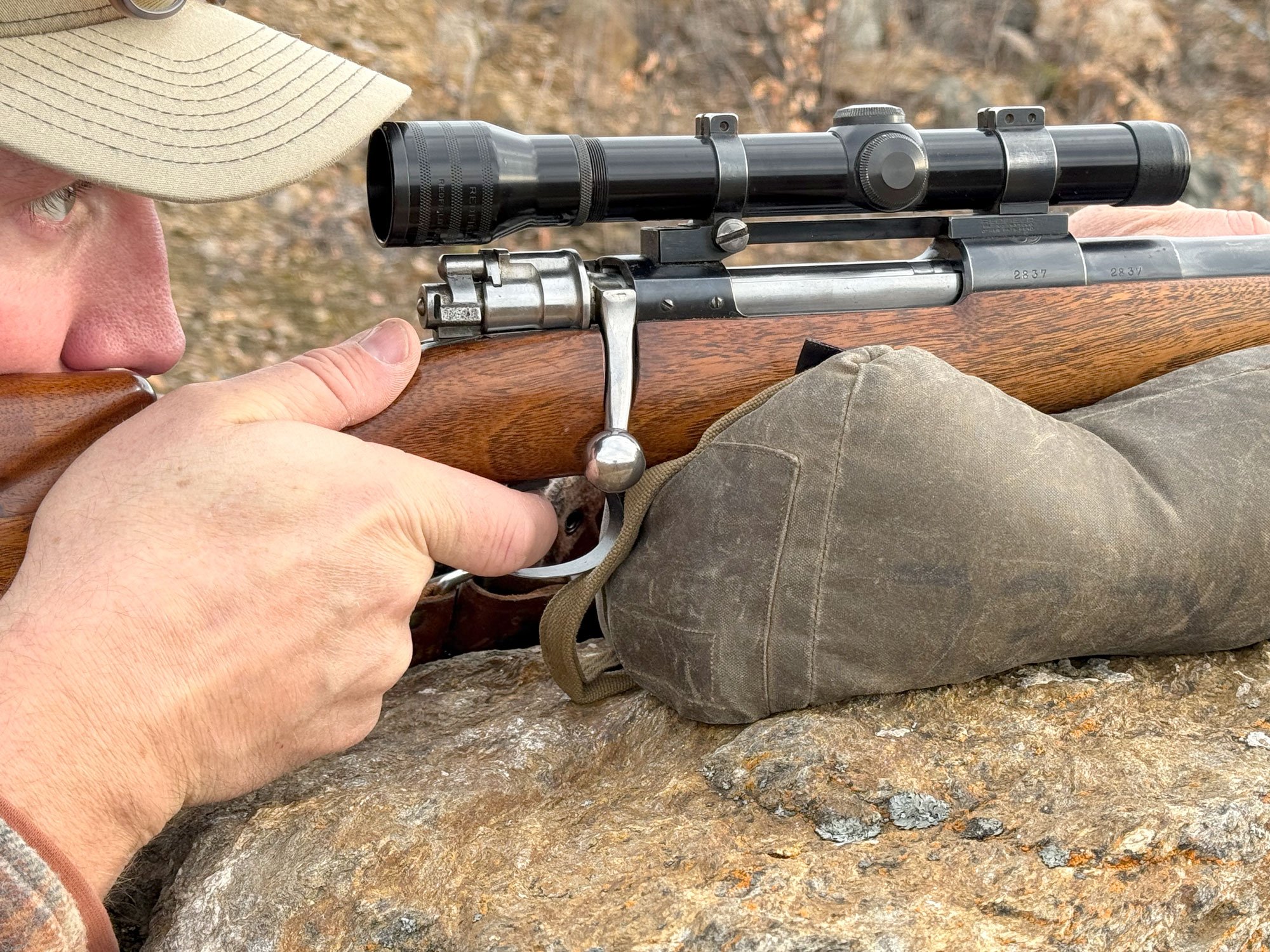
The best grip pressure for your rifle will depend. On a 25-pound PRS rig, a lot of shooters only want to use enough pressure to control the rifle and break the shot cleanly. On a light hunting rig, you’ll need to secure it more firmly. Shooting editor John Snow and I often refer to this as “driving the rifle.” Mastering this will take practice but, just like shooting position, once you establish a grip that controls your rifle without putting torque into it, your stability, trigger pull, and accuracy will improve.
Run the Rifle from Your Shoulder
Many hunters, especially those using a bolt action, will break position, bring the gun away from the shoulder, then cycle the bolt. This puts you at a disadvantage in a couple ways.
First, if you break your shooting position while chambering an additional round, it becomes more difficult to see what’s happening down range and get back on target quickly. In a PRS match, this will cause you to lose track of the target and, often, time out on a stage. In the woods, those precious seconds can mean the difference between a decisive follow-up shot and losing an animal. If everything goes as planned, you won’t need a follow-up shot. But sometimes you will, and setting yourself up for success will be a net benefit for the average hunter.
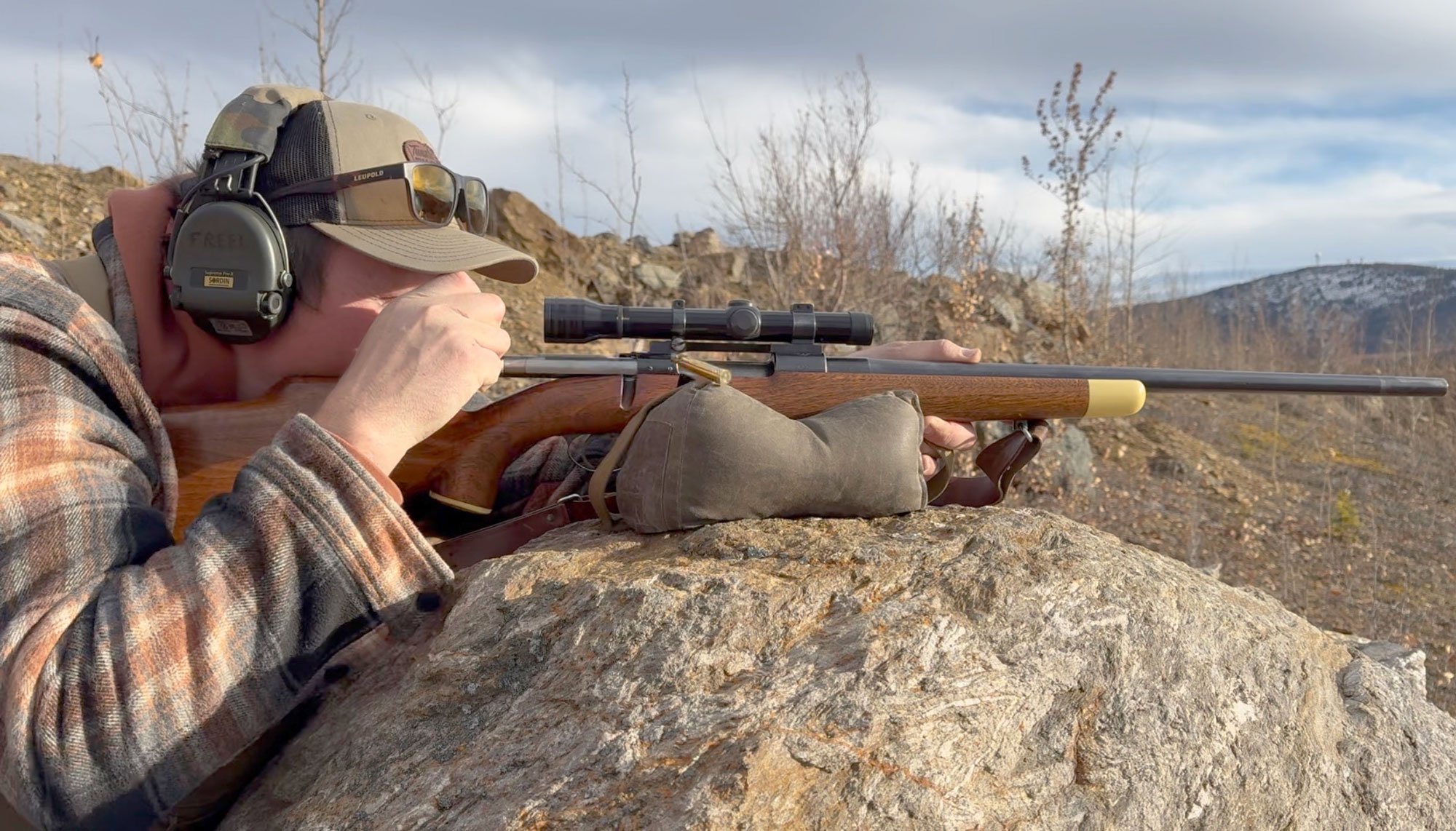
If you utilize what we’ve already discussed, and build a stable position, squared up behind and controlling the rifle, you can run the bolt while still maintaining your sight picture and position. A .270 or .30/06 might temporarily blow out your sight picture, but you’ll still be back on target much more quickly than if you break position to chamber another round. Again, it’s unrealistic to spot your impacts with many of these rifles, but you at least want the gun to settle back onto target after recoil. You’ll maintain better awareness of what’s happening downrange and be ready to break another shot if needed.
Learn to Use a Shooting Bag
If there’s a single support tool that can elevate your performance with any given rifle, it’s the modern lightweight shooting bag. There are many different designs, but we often default to the Shmedium-sized Armageddon Gear Game Changer. This waxed shooting bag, when paired with a lightweight fill like Git Lite, is incredibly useful, and you don’t need to add anything to that beautiful old museum piece you’re toting around the woods. No screws, adapters, or ARCA rails necessary.
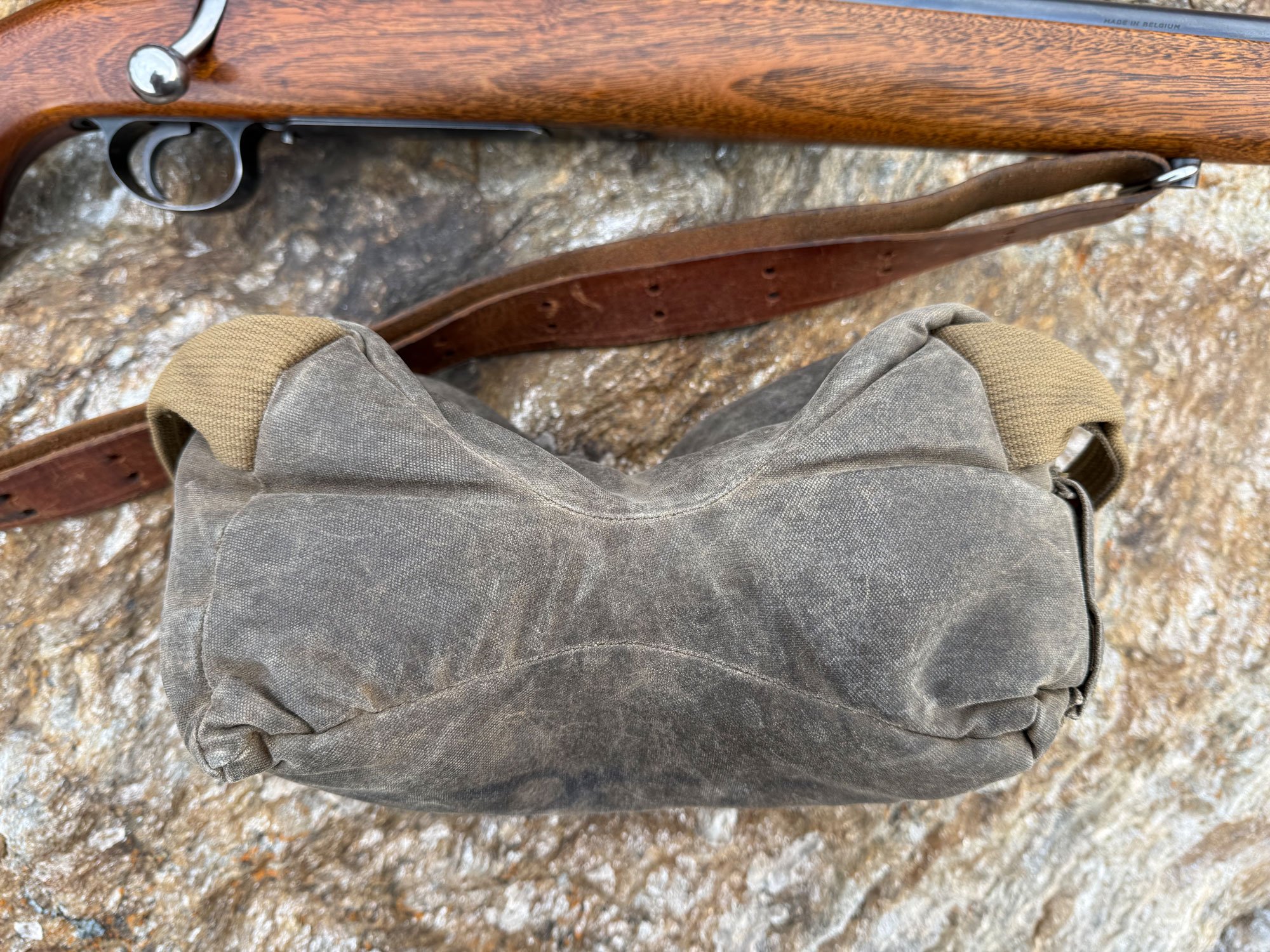
Most of us have used various sorts of bags for support on the range, but once you learn some of the basics of utilizing these waxed canvas bags, you’ll wonder how you ever lived without one. Tree limbs, fence posts, rocks, glassing tripods, and many other impromptu rests become rock-solid shooting platforms. There are just a few things to know and practice.
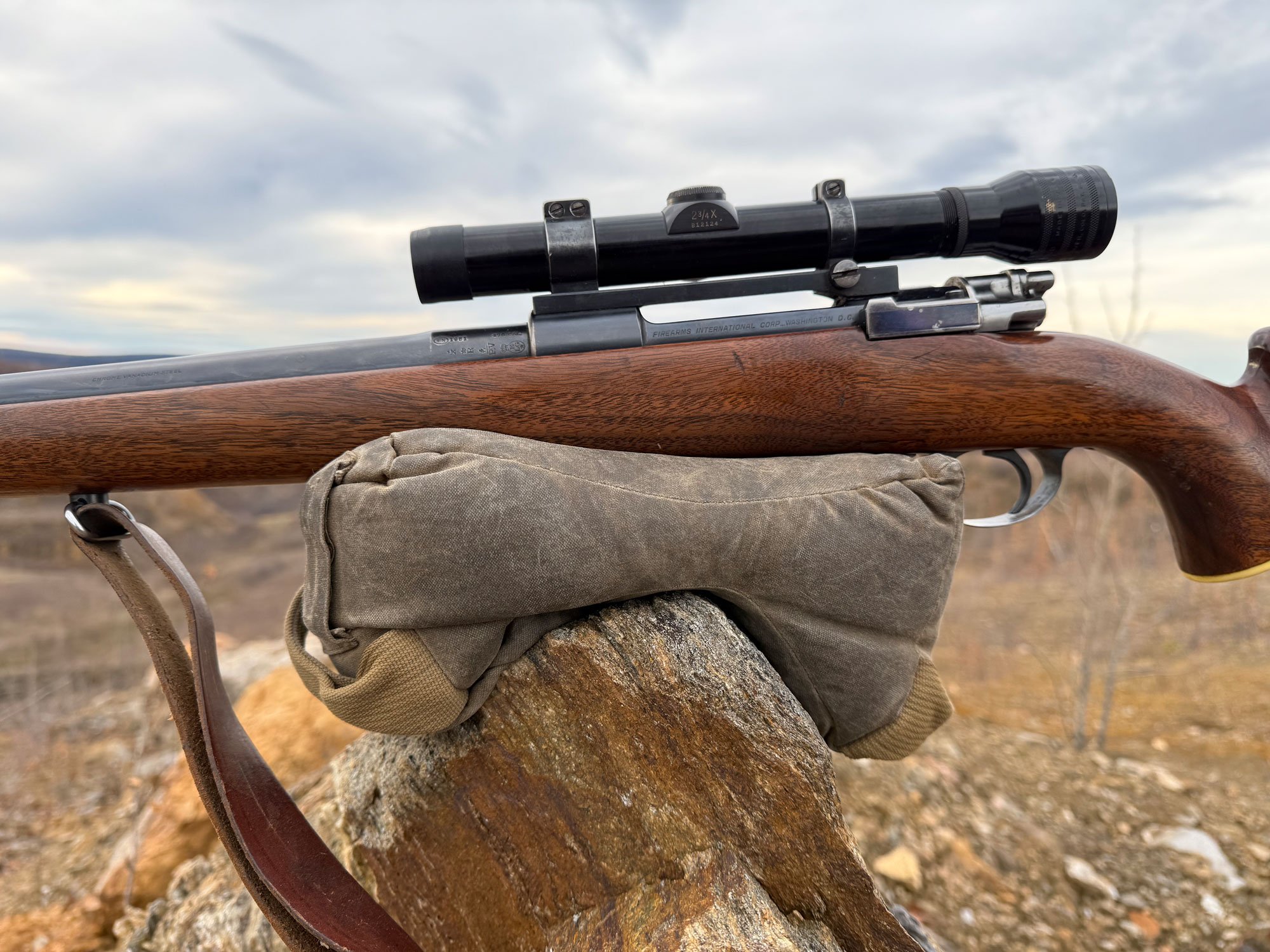
- Balance the rifle. When using a shooting bag as your only support, you want to place the rifle on its balance point if possible. Hunters will tend to use shooting sticks and other rest aids by supporting the fore-end of the gun. That can increase wobble and instability at the rear. You’ll find your best stability by securely bagging the rifle farther to the rear. For lots of guns, this means the bag will contact the rifle just forward of, or under the magazine. Ideally, if you let go of your gun, it would stay pointed at the target.
- Learn how your bag fits different rests or props. A game changer has two points. These aren’t intended to cradle the fore-end of your stock. If you’re placing the bag on a narrow limb, place it with the ears up, and the bag will fold around the support, gripping it. For thicker rests or atop a wooden fencepost, place the tabs down. For a large or flat surface, rest the bag on its side. Always try to orient the bag so that your gun is resting on it long-ways, creating maximum surface contact.
- Squeeze the rifle and bag together. Settle your rifle into the fill and, whenever possible, use your support hand to squeeze the rifle into the bag. Some shooters grasp the bag with their fingers while using the thumb to press down on the stock — not the barrel. Others place their support hand atop the scope, letting the elbow hang down, to squeeze the rifle onto the bag and add stability. Use what works best for you, but when you can cement the rifle and bag together, your stability will increase dramatically.
Final Thoughts
There are good reasons why lots of the design elements that have been honed in competition are finding their way to hunting rifles. But if you don’t like that, it doesn’t mean that you can’t benefit from the refined techniques that are helping top level shooters achieve incredible accuracy and consistency. It can be humbling and uncomfortable to change how we do things, but these techniques are proven to work. If you want to improve your shooting and increase the certainty that you have while hunting, you’d be well-advised to pay attention.
The post Think NRL and PRS Can’t Help You Shoot Your Classic Hunting Rifle Better? Think Again appeared first on Outdoor Life.