Zeroing Smarter: Longshot Ranger+ 1,000 Yard
Editor’s Note: In today’s article, the author reviews the Longshot Ranger+ target camera. Longshot provided the author with a Ranger+ 1000-Yard system for this review.
I love long-range shooting. I don’t love zeroing a rifle.
As a drill sergeant during basic rifle marksmanship, I checked trainee targets all day for a 230-person company. I would have given anything to have a system like the one we are reviewing here back then. These days, I’m usually checking my own rifle, but the back-and-forth is familiar. On a public range, you’re also waiting for cease-fires before you can walk out and inspect the paper.
The shooting usually goes quickly. It’s checking the group, coming back to make an adjustment, and waiting to check the next one. That takes time.
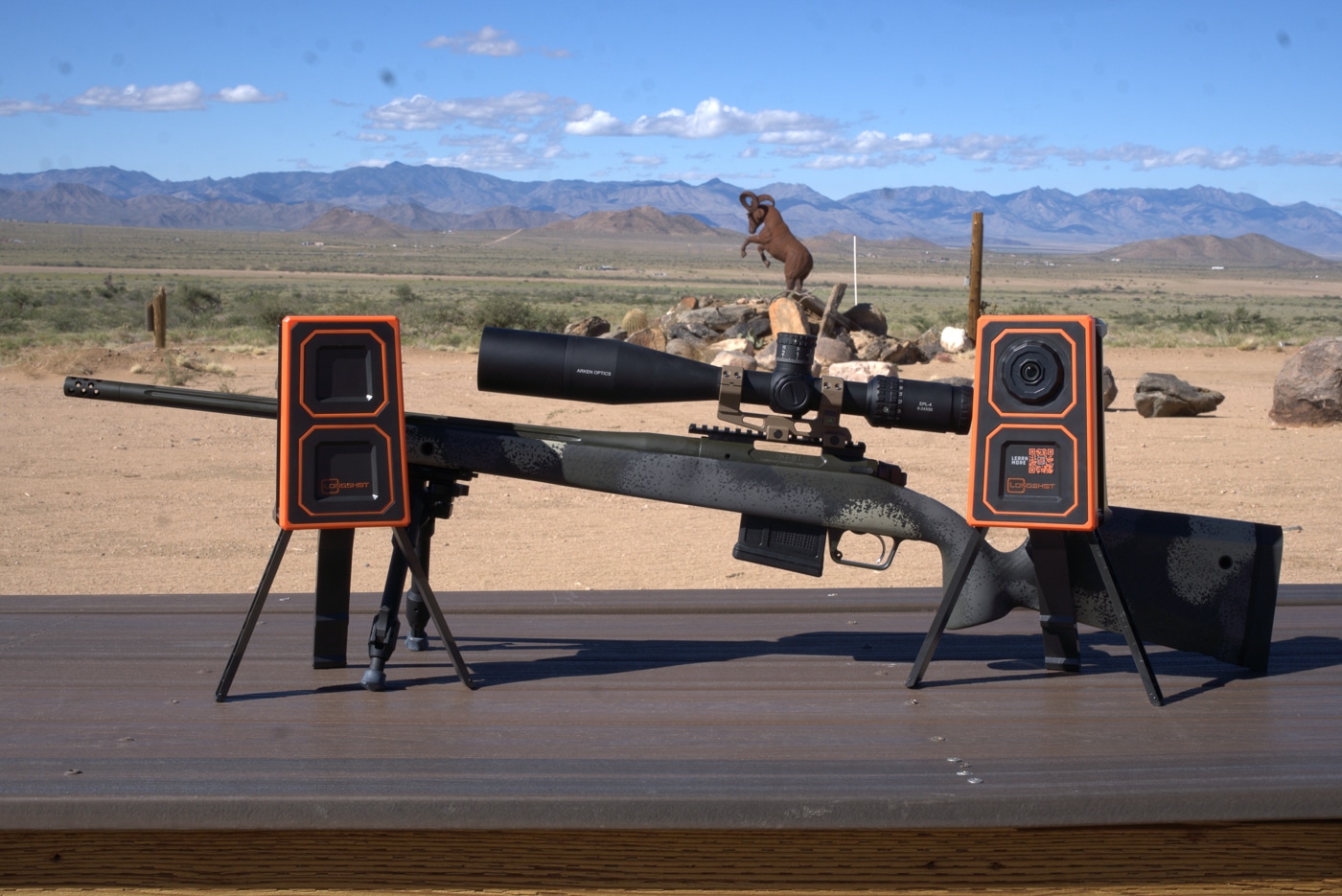
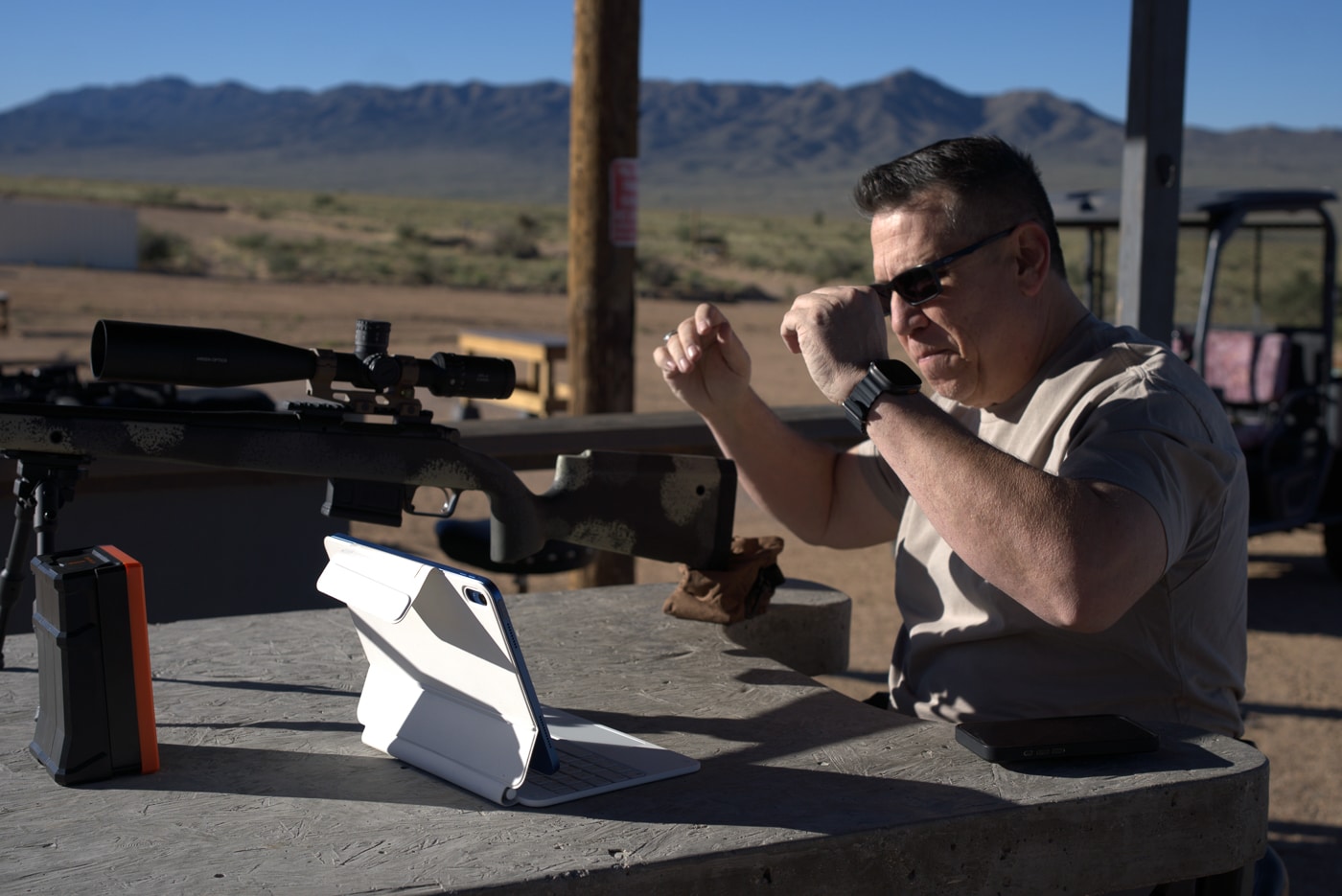
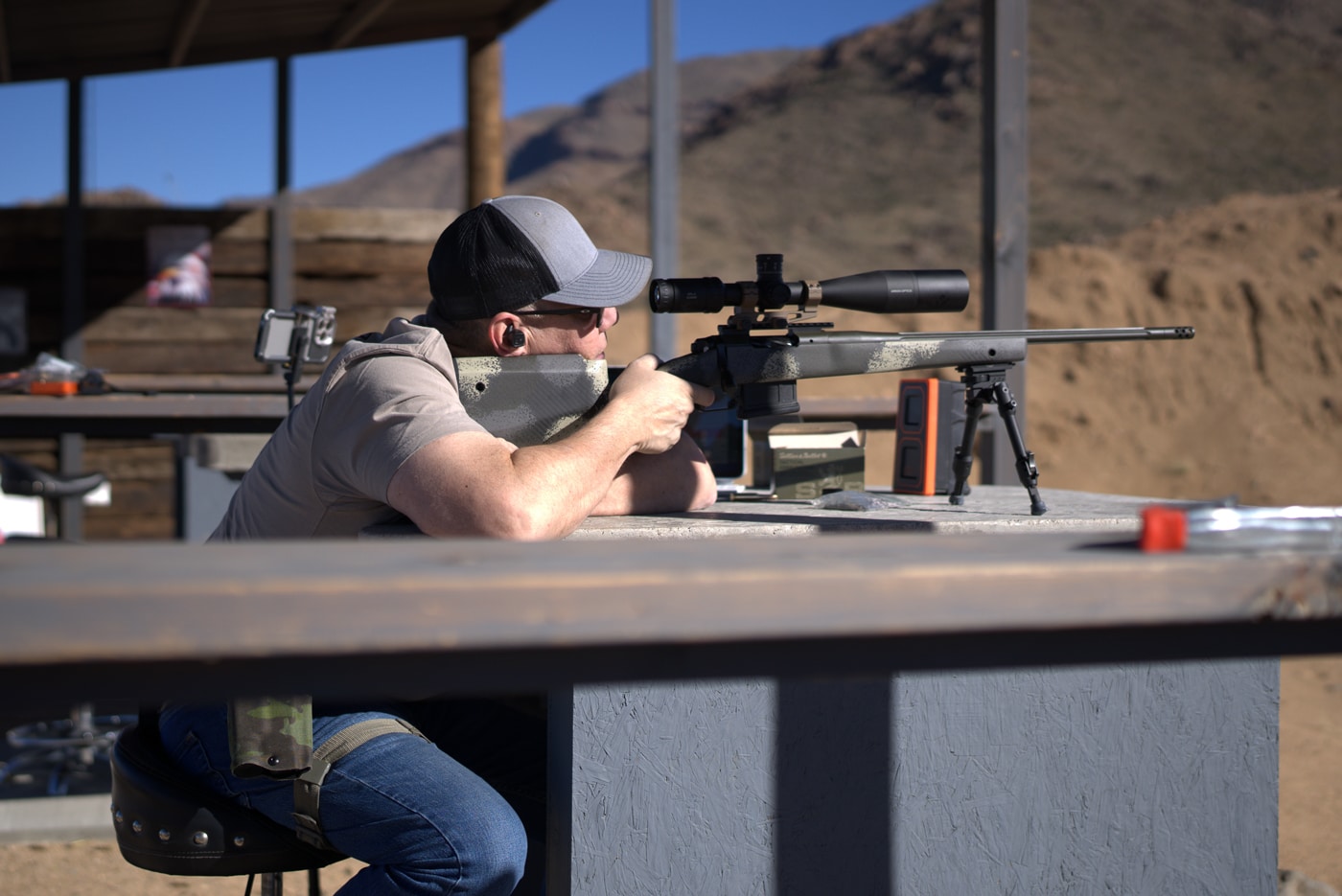
On a recent morning at ParaBellumAZ in Kingman, Arizona, I was trying something different. I set up to zero the Springfield Armory Model 2020 Waypoint in 6.5 Creedmoor. Before firing, I placed the Longshot Ranger+ 1000-Yard target camera near the target. I wanted to see how much easier the process would be with a live view of the paper on my iPad.
What the Ranger+ Does
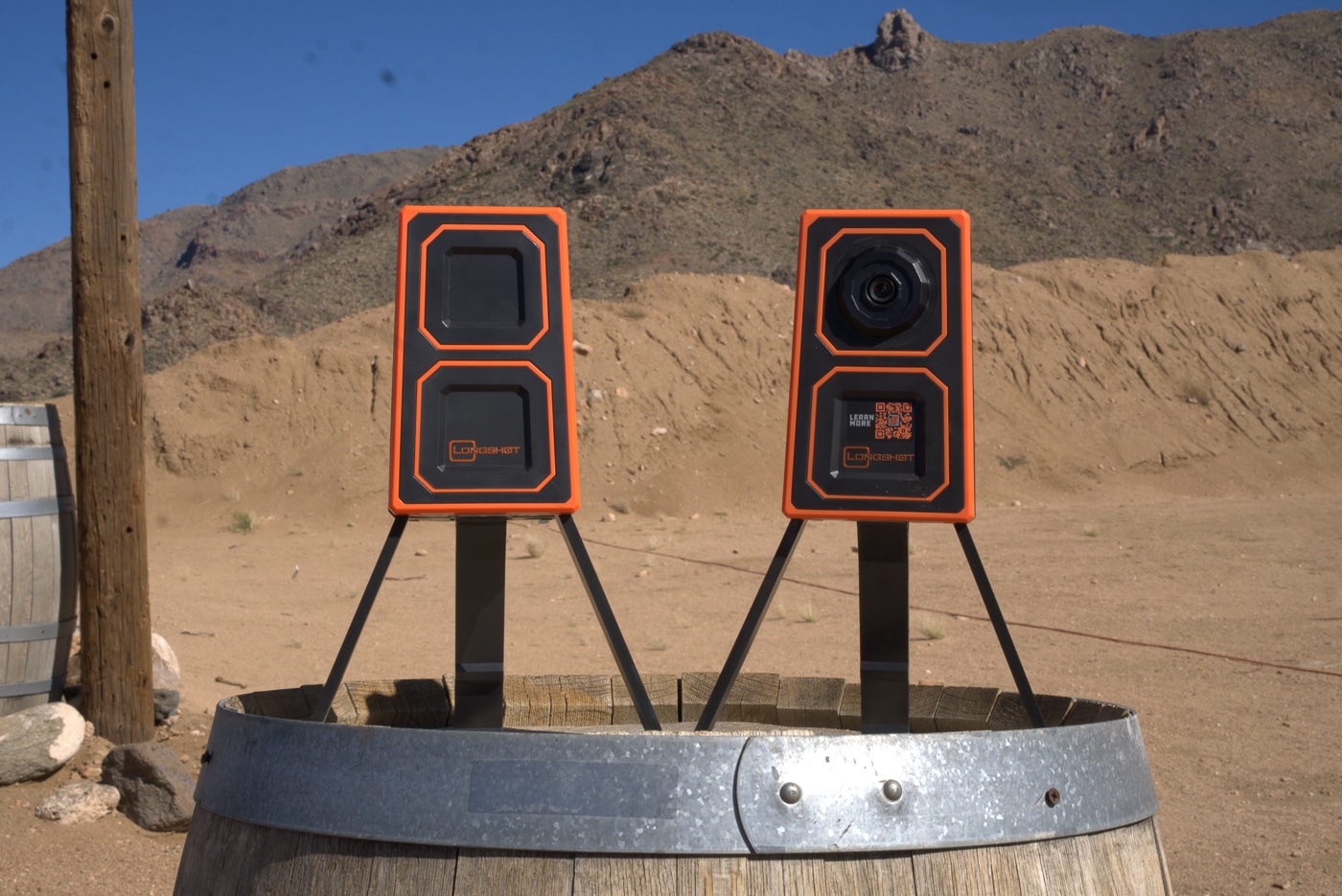
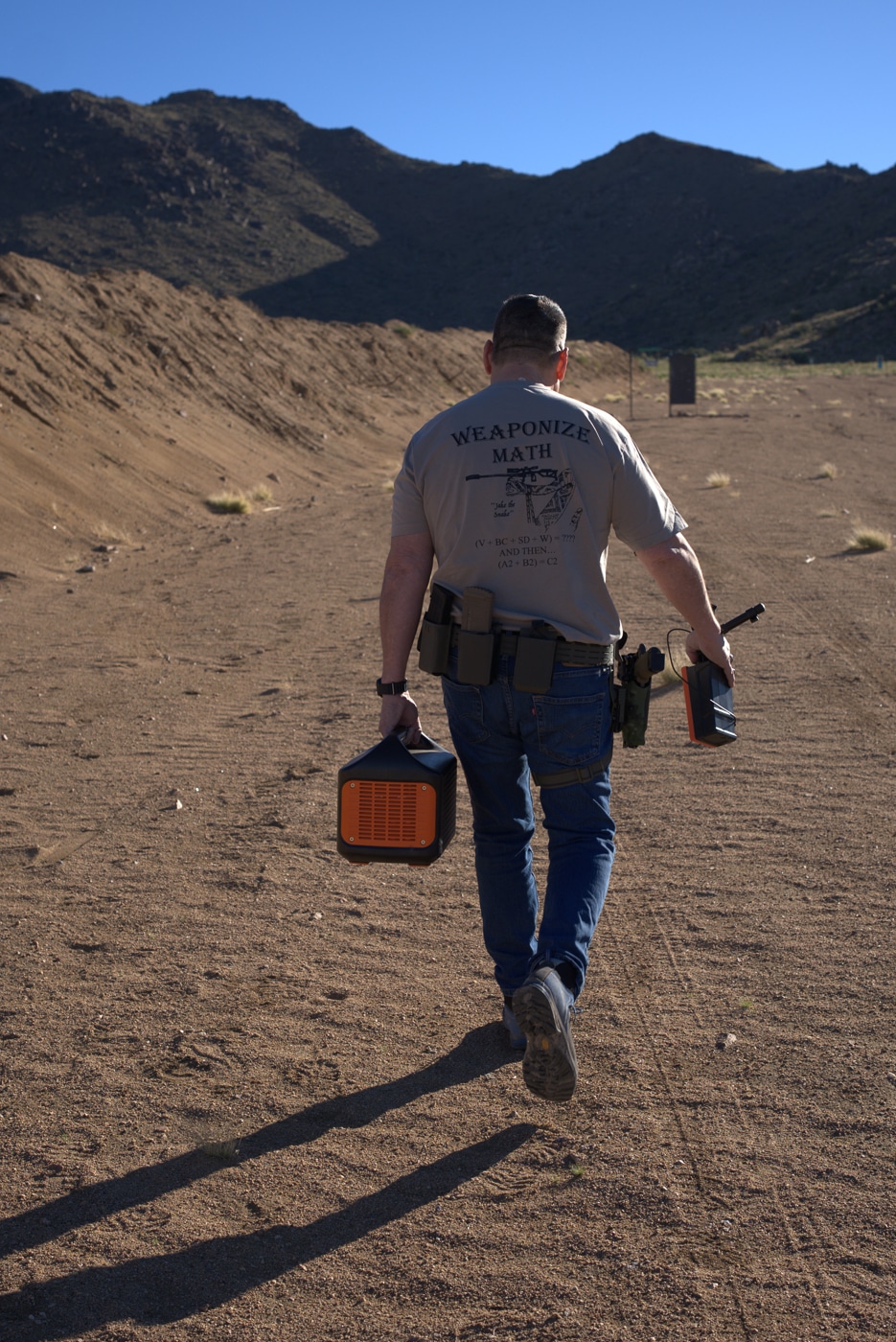
The Ranger+ comes with two units: a camera that goes downrange and a Wi-Fi receiver that extends the connection for longer distances. Longshot lists 1080p video and an advertised range of up to 1,000 yards.
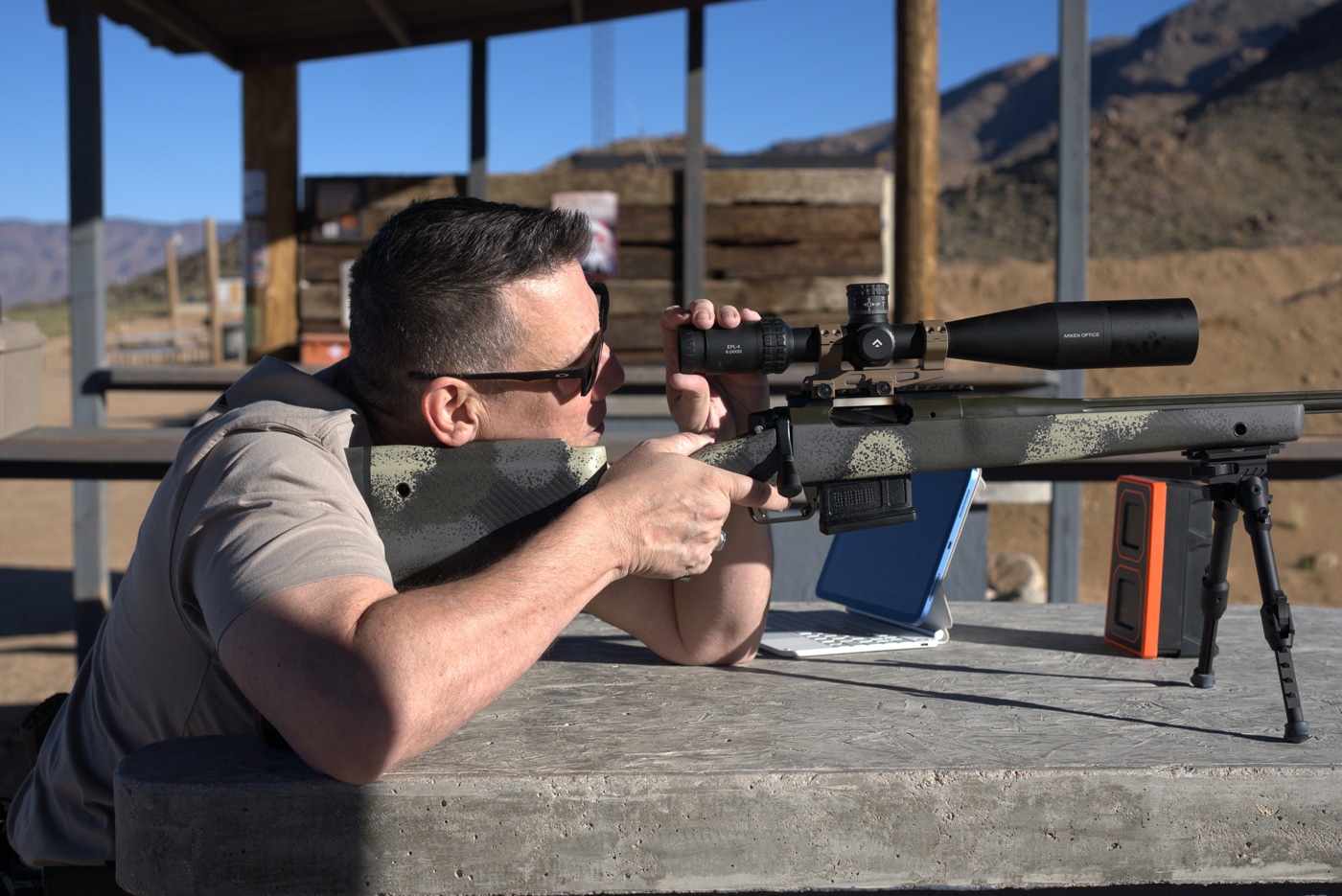
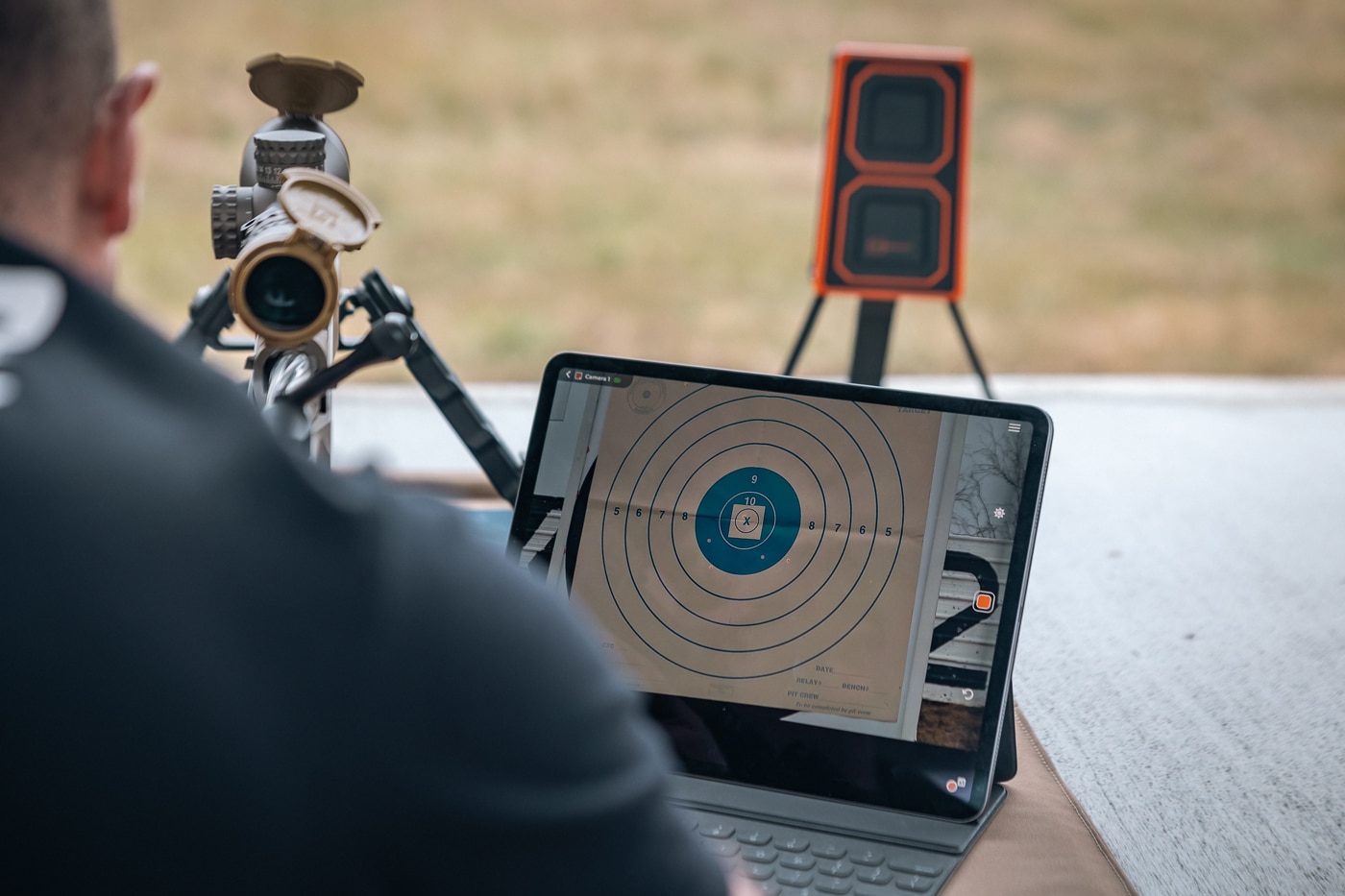
Your phone or tablet connects over Wi-Fi and the Longshot app displays the target. The system creates its own wireless connection, so you don’t need internet access, cell service, or a hotspot. You also don’t need an existing Wi-Fi network at the range.
That’s useful where I shoot. There are plenty of places in Arizona where I wouldn’t count on a phone signal. Once the app is installed, the connection is between your equipment rather than something that depends on internet access.
The app includes group-measurement tools, shot markers, photo saving, and video recording. There’s more there than simply watching the target, although the live view was my main focus during this outing.
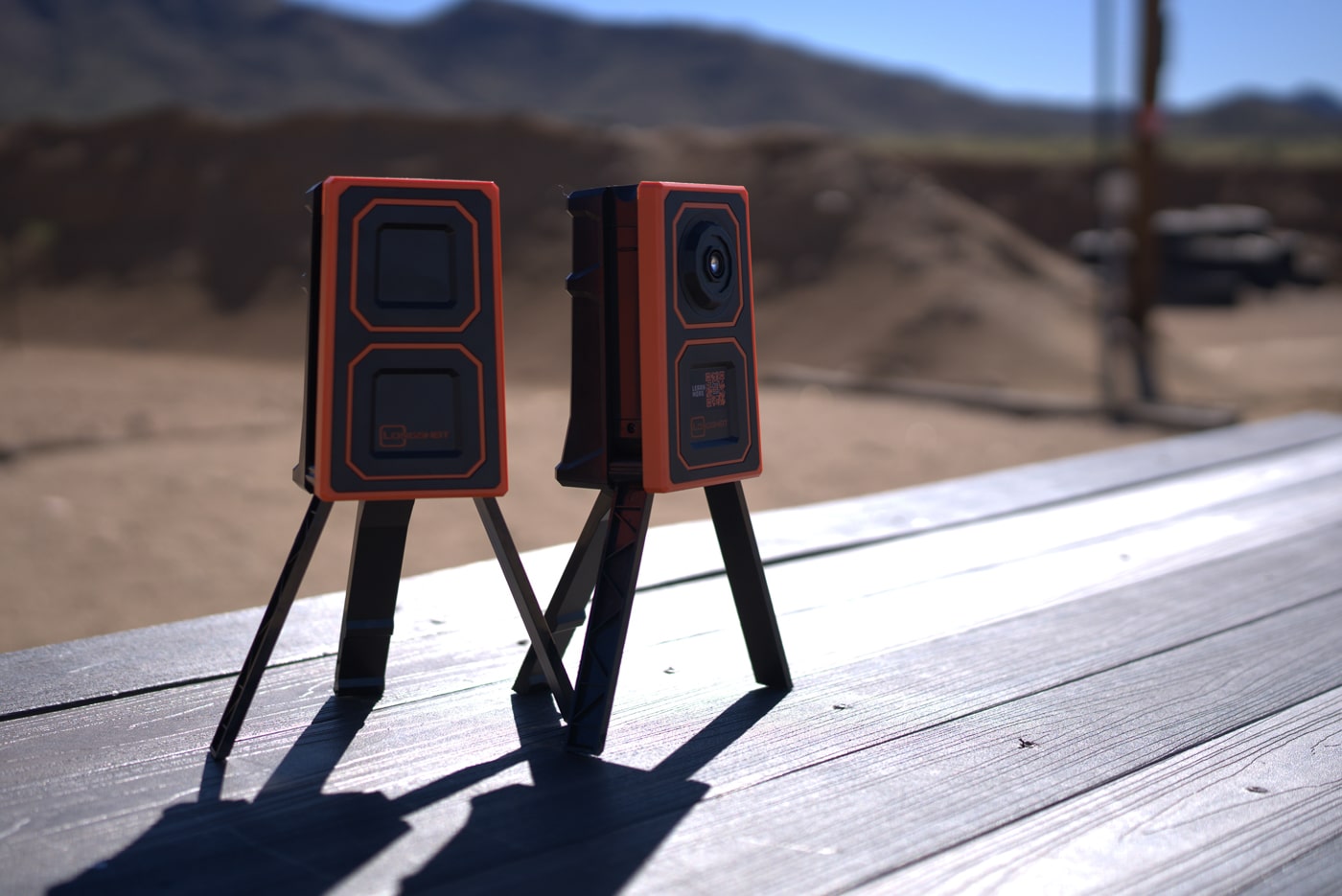
Longshot rates battery life of the unit at up to six hours. The Ranger+ also includes the company’s Bulletproof Warranty, with a $99 deductible per incident if the camera is accidentally shot. With equipment sitting near a rifle target, I’m glad that coverage is included. I’d still prefer never to need it.
The Ranger+ sits in the middle of a broader Longshot lineup. The family starts with the Ranger at 100 yards for basic zero work, moves through the Marksman at 300 yards, and tops out with the LR-3 2-Mile system — Longshot’s flagship, available as a single-camera unit or in multi-camera kits for competition and multi-position shoots. For the kind of range time I do most, the Ranger+ hits the sweet spot. The other systems are there when you need more or less reach.
The Zero Session
Here’s what I used that morning:
- Rifle: Springfield Armory Model 2020 Waypoint in 6.5 Creedmoor, Evergreen configuration
- Optic: Arken EPL-4 6-24×50 FFP with its included sunshade
- Ammunition: Sellier & Bellot 140-grain FMJ BT
- Support: Warne bipod mounted to the M-Lok forend and a rear bag
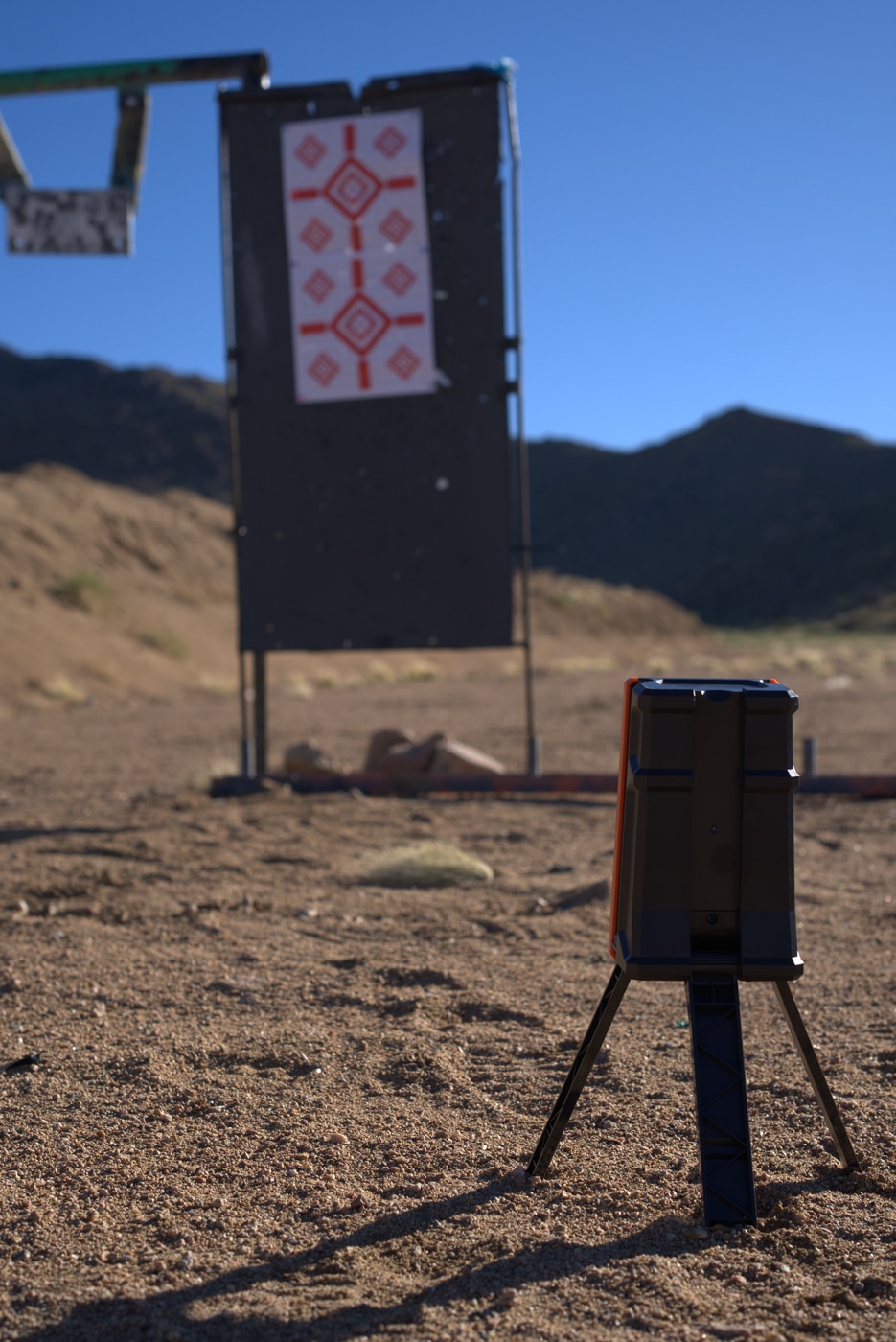
- Camera: Longshot Ranger+ 1000-Yard, roughly 12 feet in front of the target and offset to the right
- Tablet: iPad Pro running the Longshot app alongside Iron Ledger for DOPE and session notes
What surprised me was that I didn’t need the receiver at 100 yards. I connected the iPad directly to the downrange camera’s Wi-Fi and could see the target from the bench.
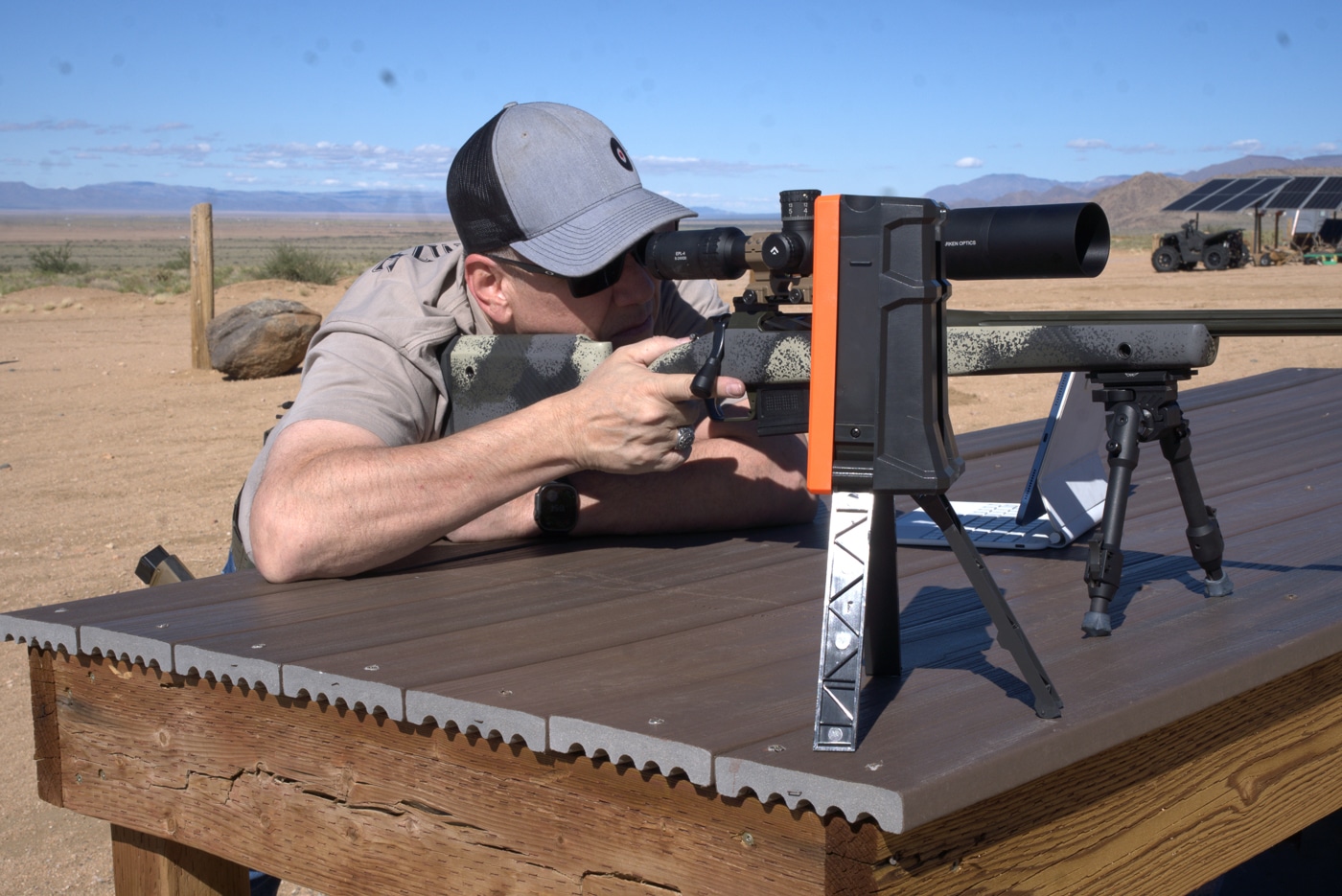
Longshot’s setup guide describes that direct connection as good for about 100 yards. Beyond that distance, it calls for connecting to the receiver’s Wi-Fi network.
That made the system more useful to me than I initially expected. I’d been thinking about the advertised 1,000-yard capability, but a lot of my range time involves checking rifles and shooting groups at 100 yards. I don’t have to plan a long-range session to have a reason to bring the camera.
For this session, the receiver could stay packed away. Once I had the camera positioned and the target visible on the iPad, I settled in behind the Waypoint.
Watching the Groups
The first group was close, but it wasn’t centered. I checked it on the iPad and made the correction: four clicks left and two down. Then I fired three more rounds and watched the new impacts appear.
The second group was centered. From the first shot to confirming that zero took about seven minutes.
I’ve spent 45 minutes doing the same job on a busy range while working around cease-fires. That isn’t a controlled comparison, and the time saved will depend on how your range operates. That morning, though, I didn’t have to wait for a chance to inspect the paper up close.
I appreciated the camera most when the shots started overlapping.
The Sellier & Bellot ammunition grouped well in this rifle. Through a spotting scope, it can be difficult to tell exactly where a new shot landed when it’s touching an existing hole. You can see the group, but you don’t always know what changed after the last round.
On the iPad, I could follow the impacts as I fired. I saw three distinct impacts with overlapping edges. Instead of looking at a finished cluster and trying to account for every shot, I could watch the group develop.

Live The Armory Life. The latest content straight to your inbox plus an automatic entry to each of our monthly gun giveaways!
I have read and agree to the terms & conditions.That was useful information to have while I was still behind the rifle. I could check the screen between shots without breaking up the session with another walk downrange.
During one three-shot string, I also noticed a slight vertical rise as the impacts appeared. The camera didn’t tell me why that happened, but it showed me the order. I could note what I saw immediately instead of trying to reconstruct it after inspecting the target.
For this outing, I used the Sellier & Bellot as affordable practice ammunition. It gave me the groups described here. I haven’t included a match-ammunition comparison because that wasn’t what I tested during this session. When I run that comparison in a future session, Nosler’s 140-grain HPBT Custom Competition load in 6.5 Creedmoor is on the list.
What I Haven’t Tested Yet
So far, my experience with this system is at the 100-yard line. I haven’t stretched it to its full advertised 1,000-yard range, and I want some more time with the app’s group-analysis and recording features.
Those are things I plan to explore on future range trips. For now, I can speak to the direct camera connection, the target image, and how the system fit into this zero session.
The shorter-distance use matters on its own. Checking a rifle at 100 yards is something I do regularly, and seeing each impact from the bench was helpful even without using the receiver.
A Few Things to Plan Around
You still have to place the camera downrange and retrieve it when you’re finished. On a shared range, both trips need to fit the cease-fire procedures. It saves the trips in between to inspect your groups.
Before leaving the target, it’s worth checking the image so you know the paper is framed the way you want it. Otherwise, moving the camera means another trip when the range allows it.
There’s also another battery to keep charged. Longshot’s rating is up to six hours; I didn’t perform a battery endurance test during this session. For a full day at the range, I’d plan around that rating rather than assume the camera would run indefinitely.
The more immediate issue for me was screen visibility.
Arizona sunlight can make an iPad difficult to read, even with the brightness turned up. I shot from a covered bench, and the shade helped. If I were shooting from an uncovered position, I’d put some thought into where to place the tablet and how to keep glare off the screen.
You’re looking for small changes in the target image. A washed-out display makes that harder. The phone or tablet you use is part of the experience, so choose something you can comfortably read outdoors.
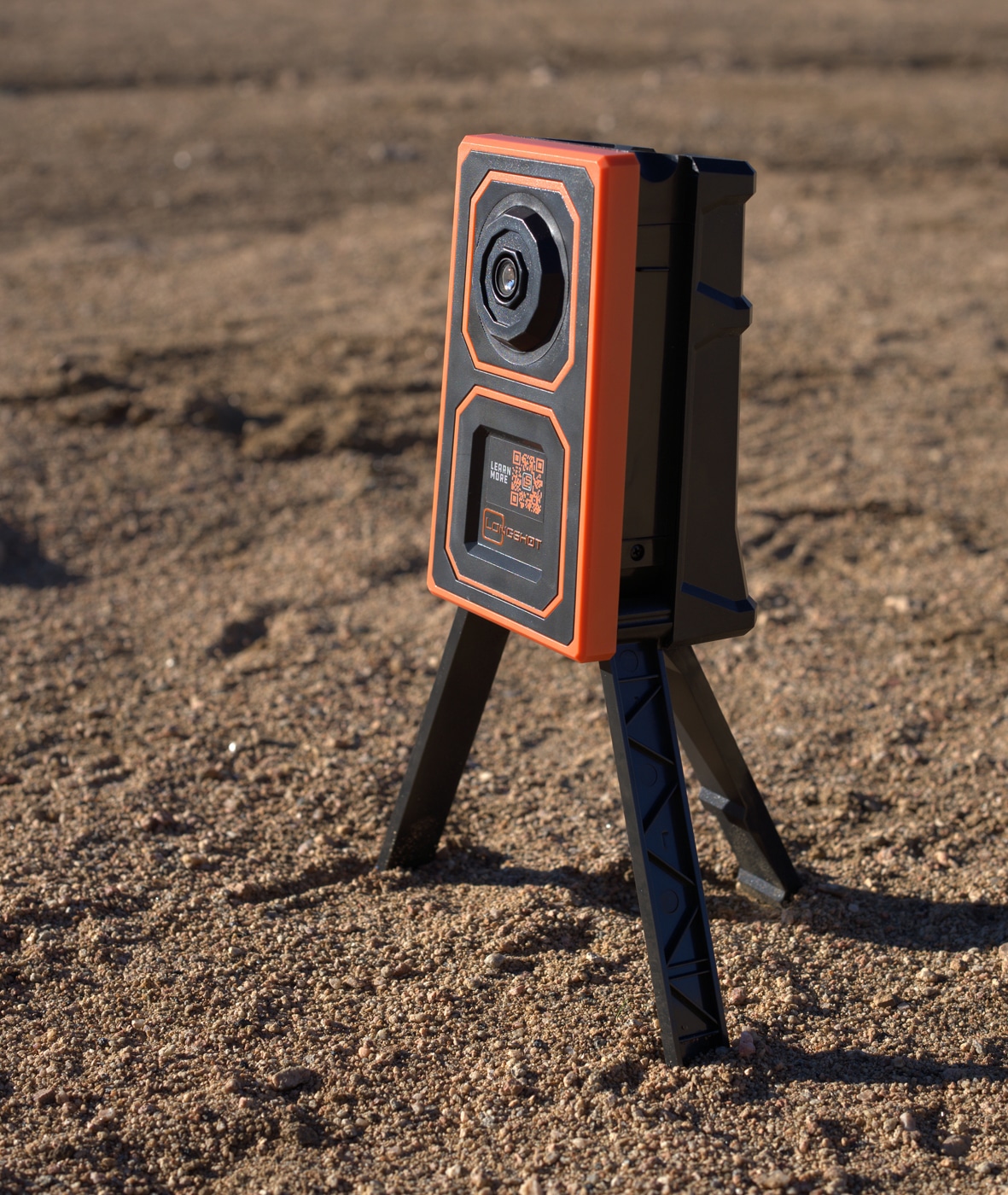
The Ranger+ also provides one camera view. The receiver extends the connection; it isn’t a second camera. Longshot says the system doesn’t support adding more cameras. That suited my session because I was watching one paper target, but it’s a limitation to consider if you want to monitor several separate locations.
Would I Bring It Again?
Yes. The 100-yard session gave me enough reason to keep using it.
I could see the overlapping impacts, make my adjustment, and finish the initial zero without another trip to inspect the paper. The setup also required less equipment at the bench than I’d expected because I didn’t need the receiver at that distance.
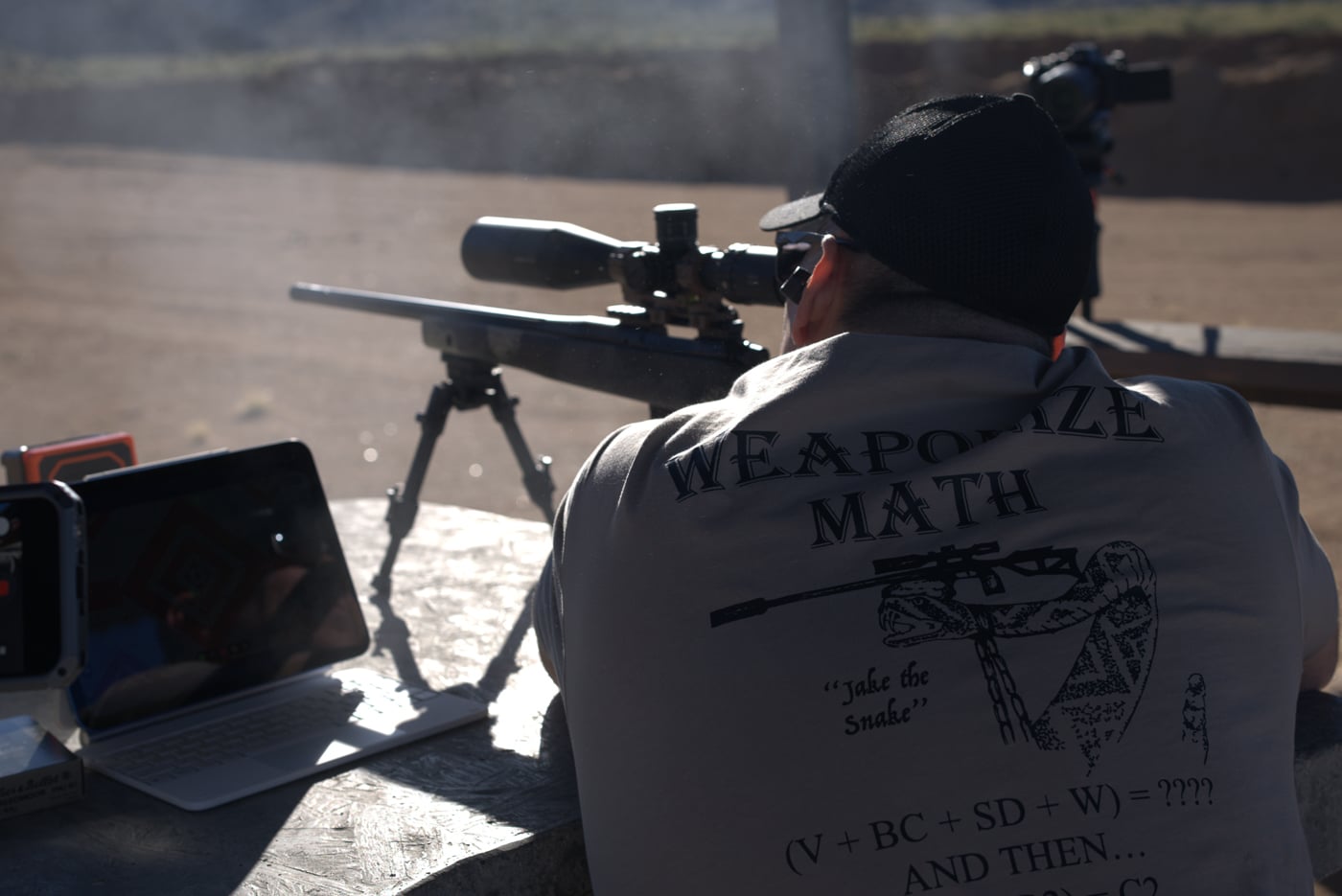
I kept thinking about those trainee targets during basic rifle marksmanship. Checking targets for a company of 230 people gave me plenty of experience doing it the old way. Being able to see each shot from the firing line would have been something I appreciated.
I still have more to test before offering a full opinion on the Ranger+ at longer distances. But that morning, at 100 yards, it helped me get through the zero in about seven minutes. For the kind of shooting I do regularly, that’s a useful place to start. MSRP is $449.
Editor’s Note: Please be sure to check out The Armory Life Forum, where you can comment about our daily articles, as well as just talk guns and gear. Click the “Go To Forum Thread” link below to jump in and discuss this article and much more!
Featured in this article
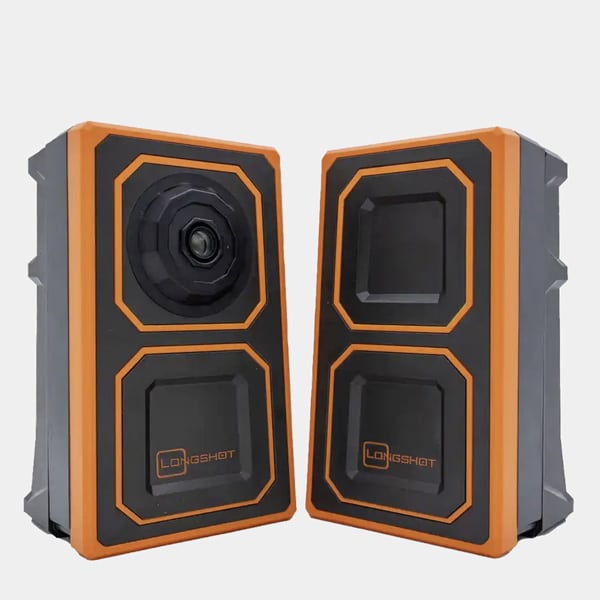
Longshot Target Camera Ranger+ 1000 Yard
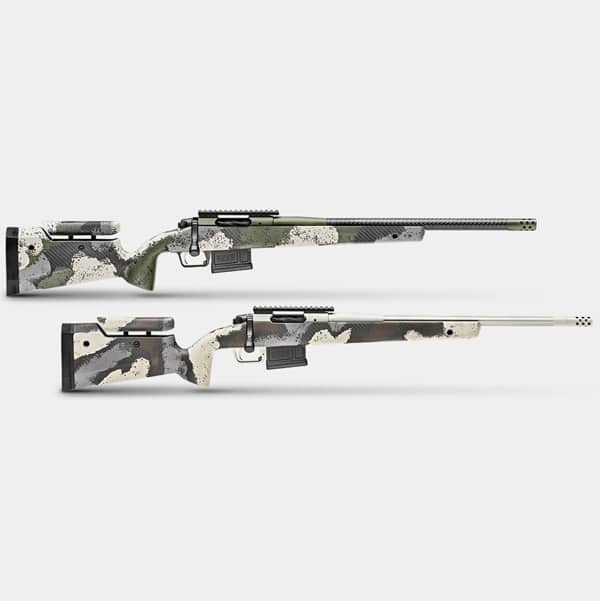
Model 2020 Waypoint Series
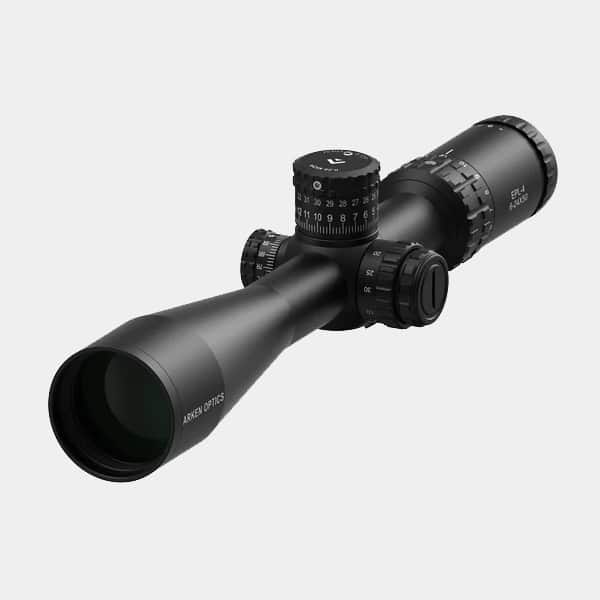
Arken Optics EPL-4 6-24x50 FFP Illuminated Rifle Scope
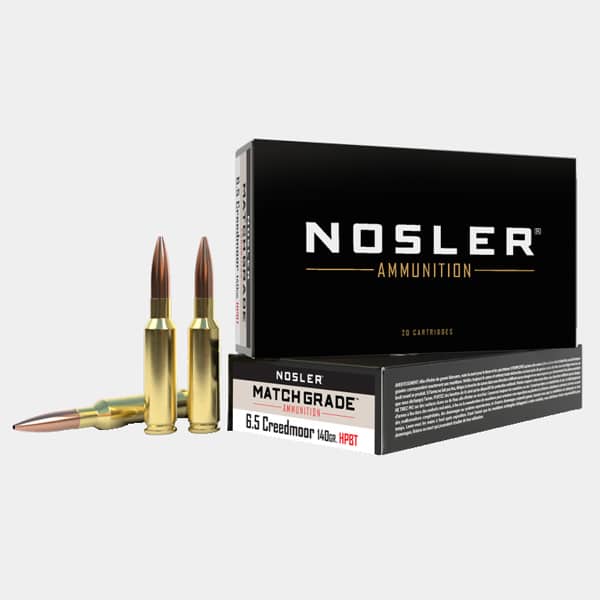
Nosler 6.5 Creedmoor 140 gr. HPBT
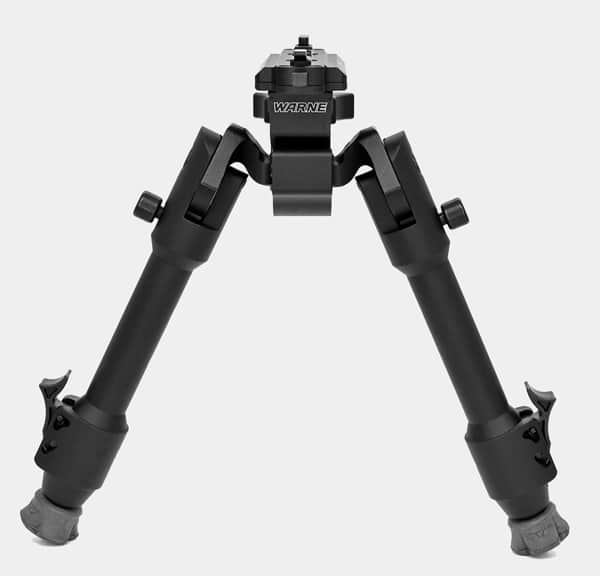
Warne 7904M Precision M-LOK Bipod
RazorMP Iron Ledger
The post Zeroing Smarter: Longshot Ranger+ 1,000 Yard appeared first on The Armory Life.